Cracker Barrel is replacing CEO Julie Felss Masino following an ill-fated effort to give the Southern-themed restaurant chain a modern look.
Masino will step down on Aug. 10 and be succeeded by David Deno, the former CEO of Bloomin’ Brands, which owns Outback Steakhouse.
She will remain with Cracker Barrel in an advisory role through Oct. 9 to assist with the transition, the company announced on July 27.
“Cracker Barrel is a truly iconic American brand, defined by its unique combination of warm country hospitality, timeless appeal, and deep connection with guests across generations,” Deno said in a news release.
“I am honored to lead the Cracker Barrel team and look forward to unlocking the full potential of this remarkable brand.”
Deno served as CEO of Bloomin’ Brands from 2019 to 2024 and previously held executive positions at Best Buy and Yum Brands, the parent company of Taco Bell and KFC.
Masino, a former executive at Taco Bell and Starbucks, was named Cracker Barrel’s CEO in July 2023 and took office that November.
She was tasked with attracting new customers and revitalizing a chain that now operates about 660 restaurants in 43 states.
Her strategy included updating the menu and modernizing Cracker Barrel’s antique-filled restaurants.
The company tested brighter walls and more contemporary seating in place of the chain’s familiar dark, rustic interiors.
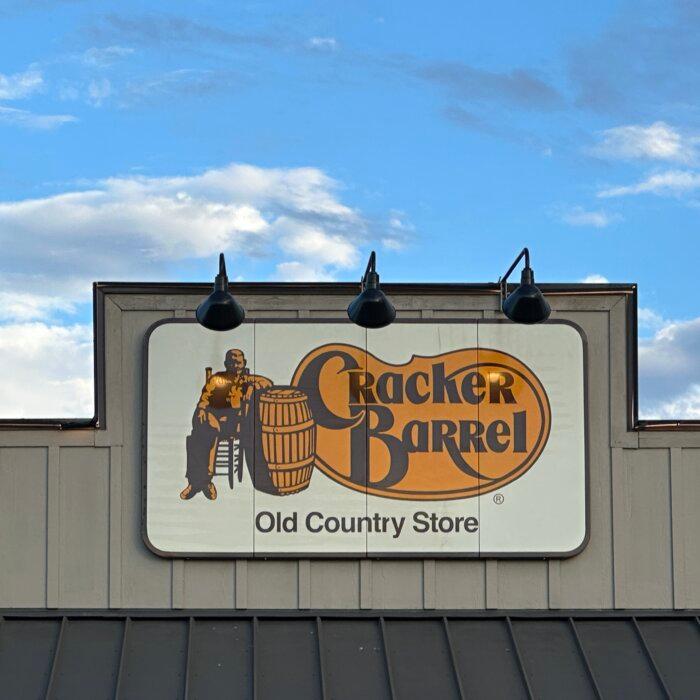
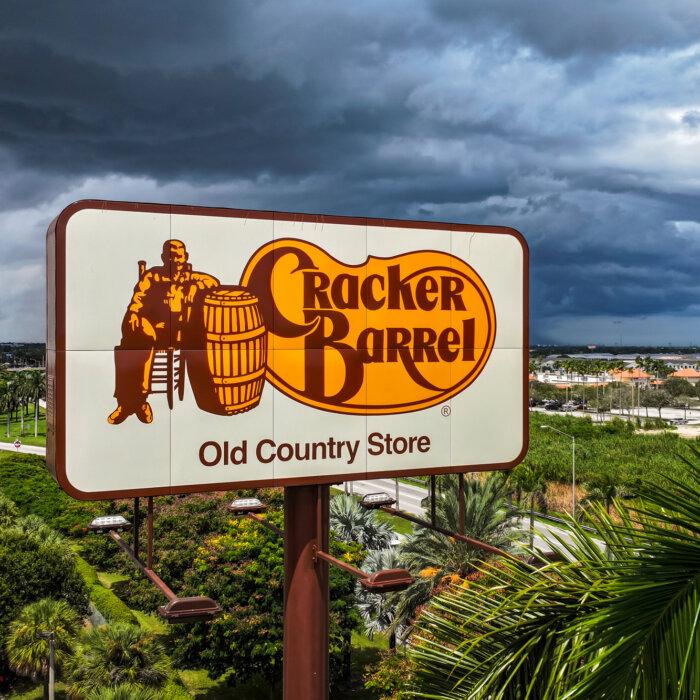
Those changes drew some criticism, but the most intense backlash followed the unveiling of a simplified logo in August 2025.
The new minimalist design removed the longtime “Old Timer” character seated beside a barrel and displayed only the Cracker Barrel name.
The logo change prompted overwhelmingly negative feedback on social media, including from President Donald Trump, who urged the chain to restore the old design.
“Cracker Barrel should go back to the old logo, admit a mistake based on customer response—the ultimate Poll—and manage the company better than ever before,” Trump wrote on Truth Social on Aug. 26, 2025.
“They got a Billion Dollars worth of free publicity if they play their cards right. Very tricky to do, but a great opportunity.”
Later that day, the Tennessee-based company announced that it would scrap the new design and restore the old logo.
“We thank our guests for sharing your voices and love for Cracker Barrel,” the company said at the time. “Our new logo is going away and our ‘Old Timer’ will remain.”
Trump praised the reversal, saying the chain’s fans appreciated the decision and urging the company to focus on making them happy.
Cracker Barrel subsequently suspended its broader restaurant-remodeling initiative, leaving locations that had not already been renovated with their familiar interiors.
Despite reversing the rebranding effort, Cracker Barrel has continued to face pressure on sales and customer traffic.
Comparable restaurant sales fell 2.6 percent in its fiscal third quarter, which ended May 1, while comparable retail sales declined 1.8 percent. Total revenue dropped 2.9 percent to $797.4 million.
The company reported third-quarter net income of $42.8 million, up from $12.6 million a year earlier.
However, that figure is the result of a $47.4 million benefit from the settlement of a lawsuit involving payment-card interchange fees.
The company has also moved to simplify its operations and concentrate more heavily on its core restaurant business.
A week before announcing the leadership change, the company said it had sold the Maple Street Biscuit Company brand and 35 of its locations to Biscuit Belly for an undisclosed amount.
Cracker Barrel plans to close the remaining 16 Maple Street restaurants.