Membership-based wholesale retailer Costco’s latest earnings spotlighted a growing K-shaped divide among its shoppers.
In recent months, economists and corporations have referenced a divergence between high- and low-income households, leading to two distinct economic trajectories across the U.S. marketplace. This K-shaped divide features the “upper arm” of the K flourishing and the “lower arm” declining.
“In short: the rich get richer (or at least keep thriving), while many others fall further behind. This is exactly what we’re seeing in the U.S. right now,” Milan Cacic, portfolio manager at CIBC Woody Gundy, said in a Nov. 21 research note.
But the numbers highlighted a trend: affluent, value-oriented shoppers contributing to sales.

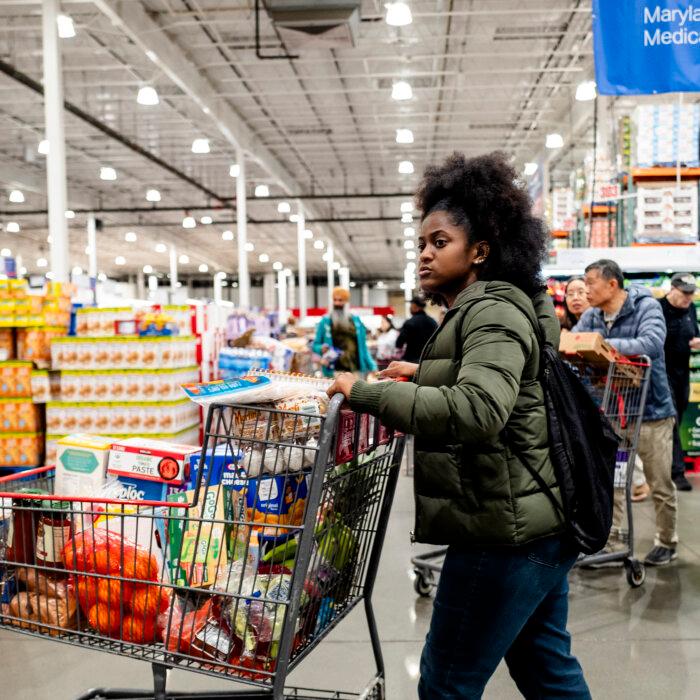
Launched in 1997, the executive membership program costs $130 per year—a base fee of $65 plus a $65 upgrade—providing users with 2 percent cash back on purchases totaling up to $1,250 annually. The nearly 40 million Executive Members also receive other perks, including exclusive offers, discounts, and $10 monthly credit on same-day delivery orders of at least $150. Some stores also open their doors to Executive Members an hour earlier.
To make an Executive Membership pay for itself, users would need to spend approximately $6,500 annually, or $540 per month, through the 2 percent reward, excluding other benefits.
Other companies have noticed the bifurcation unfolding across the U.S. economy.
Walmart, for example, says core low- and middle-income customers are trimming their discretionary spending. However, wealthier shoppers are adding to the retail juggernaut’s sales.
Supermarket giant Kroger said it is seeing the split in the data.
Tale of Two Shoppers
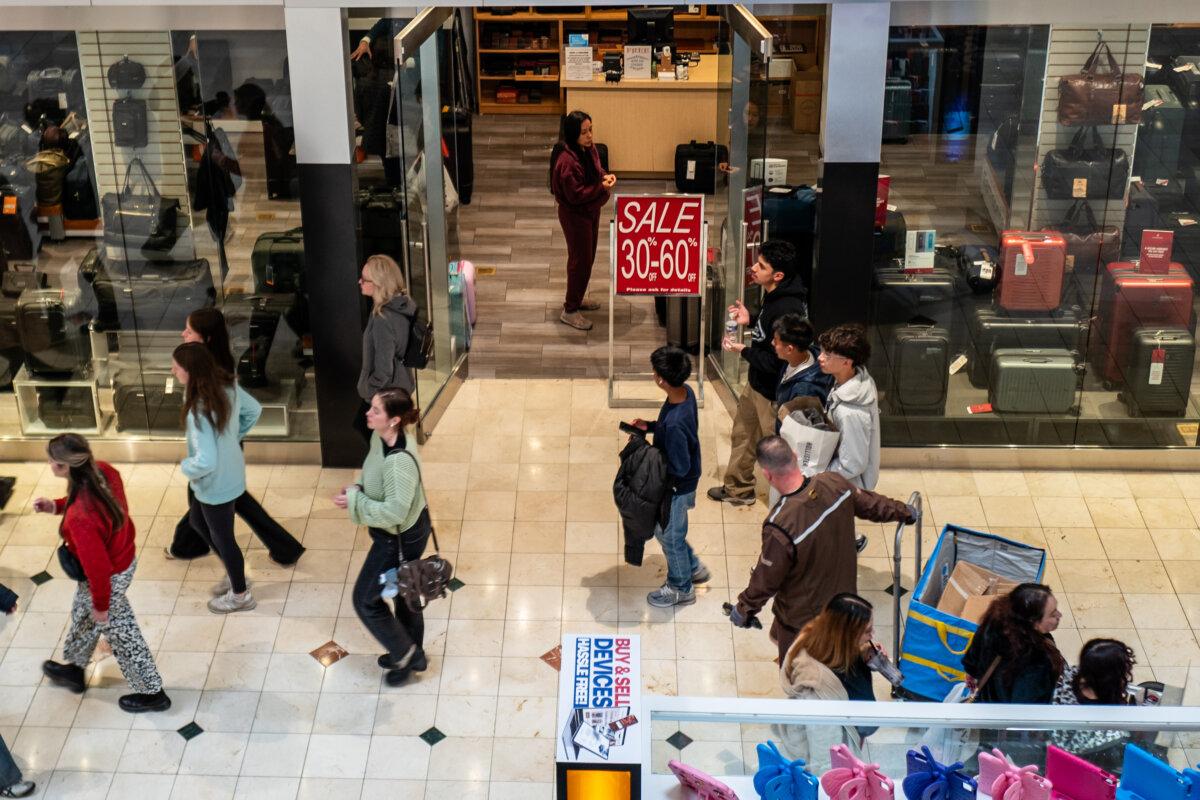
Heading into the busy holiday shopping season, Bank of America economists noted that the K-shaped patterns among shoppers persisted.In November, spending by high-income households rose 2.6 percent year-over-year, compared with a 0.6 percent gain for low-income groups.
Federal Reserve officials are monitoring this development in the economy.
“If you listen to the earnings reports for consumer-facing companies that deal with low- and moderate-income people, they’ll all say that we’re seeing people tightening their belts, changing products they buy, buying less,” Powell said.
“Most of the consumption does happen by people who have more means,” he continued. “The top third accounts for way more than a third of the consumption.”
With elevated price pressures continuing, consumers are being a bit more cost-conscious.
“Nearly half of U.S. consumers said inflation was among their top three concerns, though concerns about rising prices dropped seven percentage points from the same time last year,” the report stated. “This suggests that many consumers are beginning to accept elevated prices as the new normal.”
Many are also turning to buy-now, pay-later programs to fund their holiday shopping.
Next week, the Department of Commerce’s Census Bureau will release the delayed October retail sales report. The five-day Thanksgiving weekend was a record-breaking event for retailers.
“Early retail data shows record sales over the Black Friday and Cyber Monday weekend, but much of the rise appears to come from higher prices rather than increased sales volumes,” Stephen Kates, Bankrate financial analyst, said in a statement to The Epoch Times. “This suggests that inflation remains a persistent impediment for consumers.”