Oil prices have fallen sharply this year, but the cost that drivers pay at the pump has remained steady.
By comparison, West Texas Intermediate crude oil futures have plummeted 17 percent year to date to below $60 a barrel on the New York Mercantile Exchange.
If crude oil generally accounts for about 50 percent of the retail gasoline price, then why hasn’t there been a solid decline in this span?
One reason is that California skews the national average.
Motorists in the Golden State pay $4.67 per gallon. That is a $1.59 gap, meaning California prices are 34 percent higher than the country’s average.
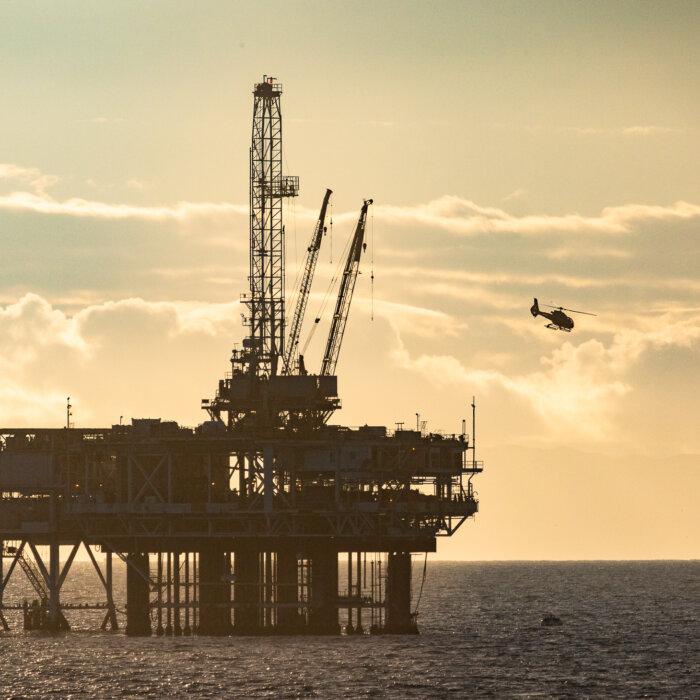
Gas prices have been elevated due to refinery maintenance in California, which has reduced production and contributed to the pain at the pump.
California undergoes planned seasonal maintenance in the spring and fall, ahead of peak summer and winter demand.
At the same time, the state has faced a significant challenge in its aging infrastructure, with a 36 percent decline in refining capacity and a 70 percent drop in the number of refineries over the past 40 years.
Refinery issues, meanwhile, have also been prevalent in the Great Lakes region.
Gas Demand, Oil Supply
Another factor has been solid demand for gasoline, with U.S. inventories shrinking for six consecutive weeks.Supplies are also about 5 percent below the five-year seasonal average.
Conversely, crude oil stockpiles soared by 6.413 million barrels, up from the 5.202-million-barrel build in the previous week.
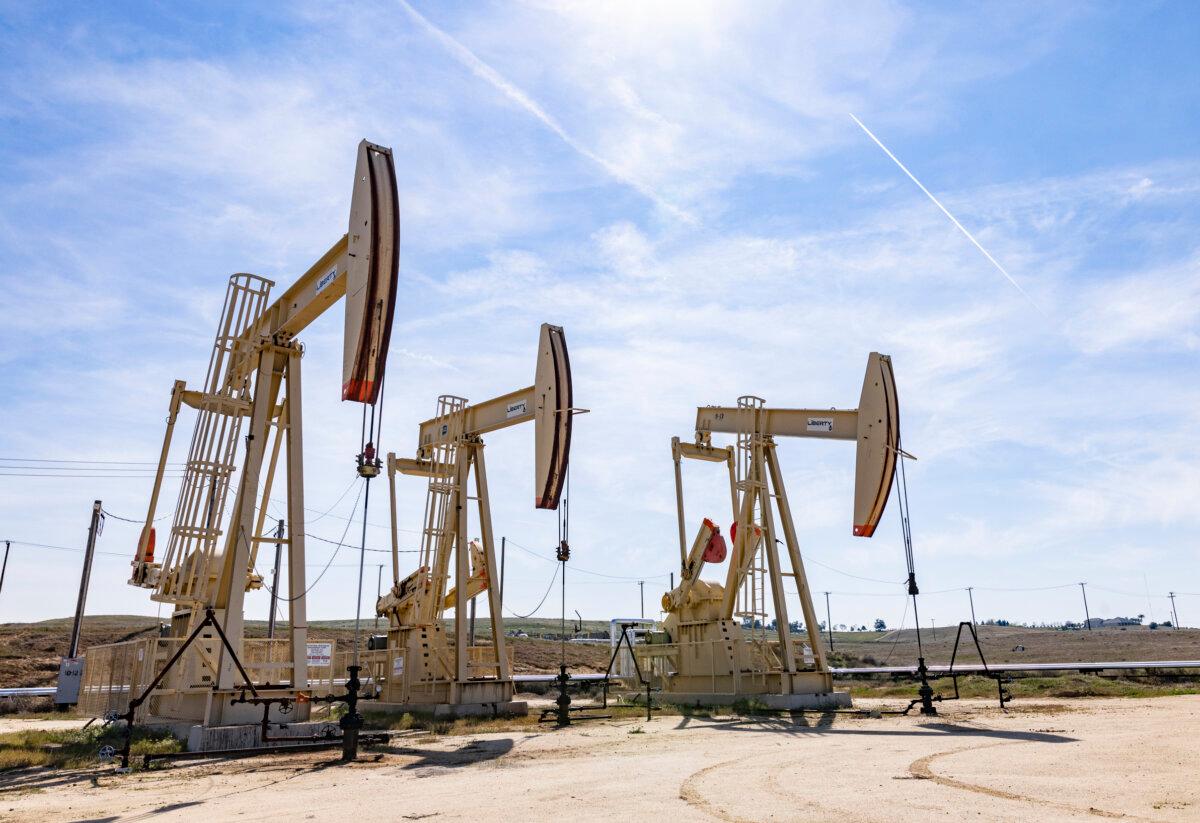
In the year ahead, crude output is projected to average 13.6 million barrels per day, virtually unchanged from 2025.
Last week, domestic production reached an all-time high of 13.9 million barrels per day.
The Organization of the Petroleum Exporting Countries—widely known as OPEC—abandoned its deficit forecast and now expects a balanced global energy market.
“OPEC also says that global thirst for crude will be hitting 106.2 million barrels daily, but even that can’t flip the OPEC script to a deficit.”
He said OPEC’s October prediction of a supply deficit has been replaced by a forecast of a perception that supply and demand are in balance.
But energy economist Anas Alhajji says a reversal in Brazil’s output is likely to happen.
“This increase exerts downward pressure on prices, but as seen in September, large surges often lead to sharp declines, supporting prices and boosting volatility.
“As a result of more supply coming to market—at home and abroad—Brent, the global benchmark for oil prices, is anticipated to average approximately $55 per barrel, the Energy Information Administration stated.
“This is an upward revision by $3, driven by updated assumptions about inventory builds in China and sanctions on Russia.”
Gas prices are forecast to fall below $3 per gallon on average next year, a 10 percent decrease from 2024.
Gasoline futures, which reflect wholesale prices, have declined nearly 2 percent this year to below $2 per gallon on the New York Mercantile Exchange.
In other energy markets, U.S. and Brent crude futures climbed about 2 percent.
Natural gas futures plunged 3 percent to around $4.7 per million British thermal units.
Heating oil futures rose 0.6 percent to $2.48 per gallon.