Micron Technology is committing more than $250 billion to U.S. investment through 2035, the chipmaker said on July 9.
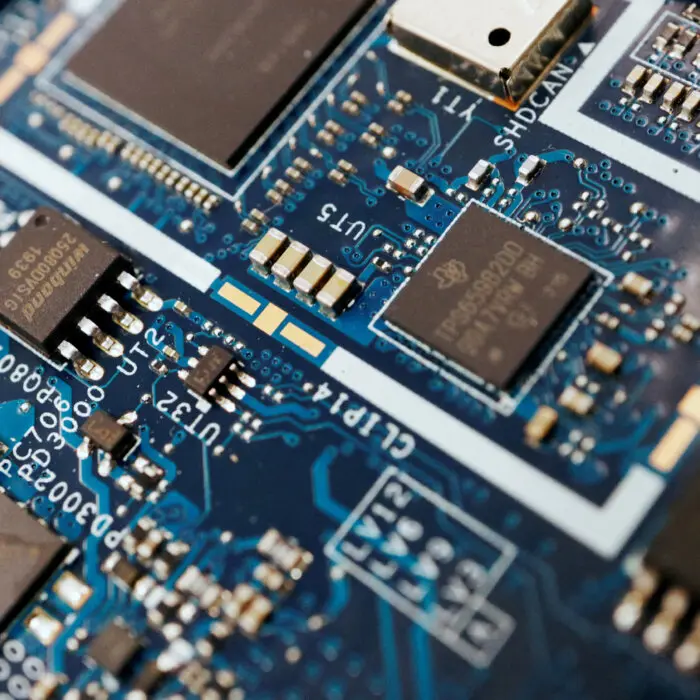
The company aims to produce about 40 percent of its DRAM—a type of computer memory used in personal computers, laptops, and smartphones—in the United States.
The investment, Micron says, will create tens of thousands of direct and indirect jobs.
In an earlier announcement, Micron said it would invest up to $3 billion to enhance the domestic semiconductor supply chain climate.
This marks one of the largest investment targets by a U.S. company, as the current administration aims to reshore semiconductor manufacturing and secure critical supply chains amid the artificial intelligence (AI) boom.
“As America celebrates its 250th anniversary, data and memory are foundational to the modern economy—and Micron is increasing our U.S. investments to more than $250 billion through 2035 to meet that moment,” Sanjay Mehrotra, president and CEO of Micron, said in a news release.

Micron has been one of the top-performing stocks this year, surging more than 200 percent.
Shares jumped 7 percent during the July 8 trading session.
The financial commitment coincides with Micron hitting a symbolic construction milestone in New York, where crews have completed the project’s inaugural concrete pour.
Mehrotra will host current administration officials, congressional representatives, and New York Gov. Kathy Hochul on July 8.
The bolstered partnership is expected to produce about 15 billion semiconductors domestically.
The world is responding to President Donald Trump’s call to build in the United States, says Commerce Secretary Howard Lutnick.
“The Trump economic model clearly shows there has never been a better time to invest in the United States,” Lutnick said in a statement.
Global demand for semiconductors has rocketed this year, as the AI infrastructure buildout devours the current chip supply.
With data centers scooping up available supply, a memory chip shortage has formed—dubbed the “RAMpocalypse”—prompting warnings of higher prices for everyday consumer goods, including PCs, laptops, and mobile devices.
But while companies are expanding U.S. manufacturing, a key challenge is filling positions.
Chip Worker Shortfall
A new joint analysis by McKinsey & Company, the chip industry group SEMI, and the National Science Foundation estimated a deficit of up to 157,000 skilled semiconductor workers by 2030.
This shortage threatens the chip factory revival.
McKinsey and others have been warning for the past few years that the United States faces a skilled-worker shortage that would affect America’s semiconductor renaissance.
But Deloitte, in a recent report, suggested that this is not only a problem in the United States but also in Europe.
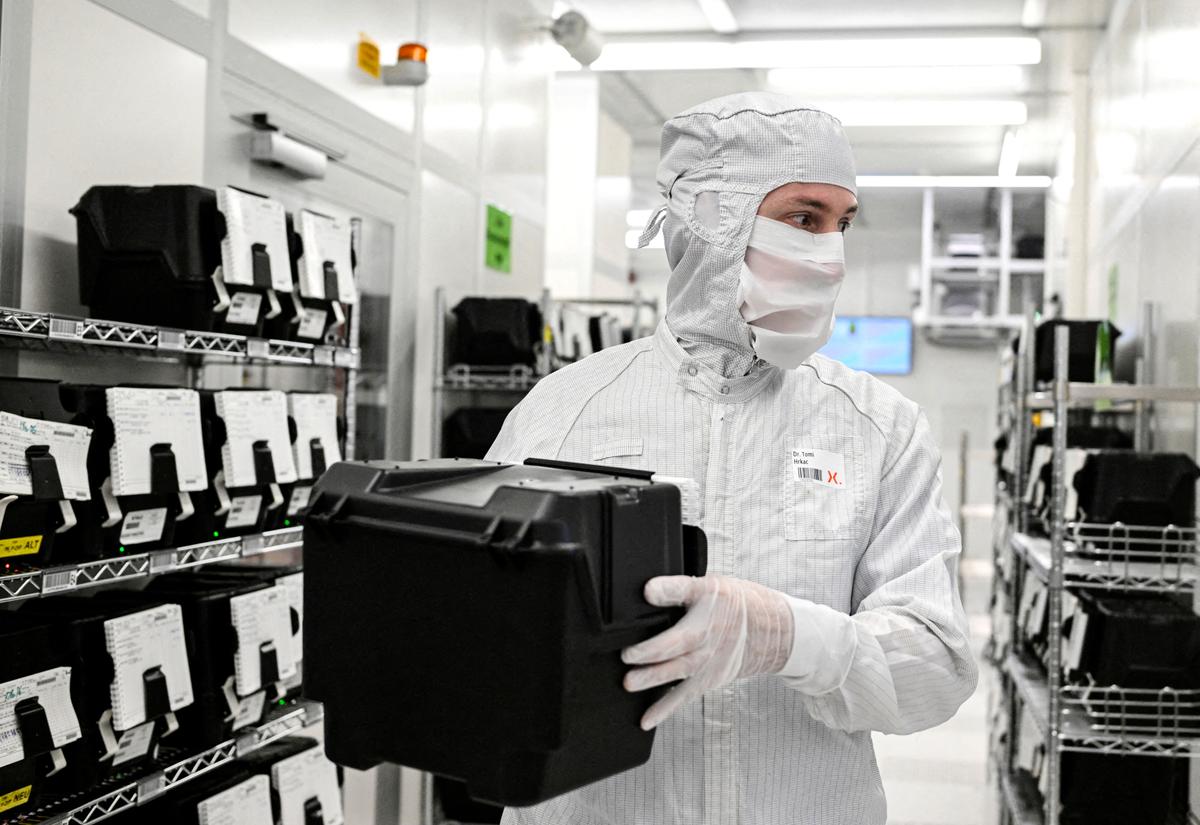
“With an estimated more than 2 million direct employees worldwide in 2021, Deloitte predicts that more than 1 million additional skilled workers will be needed by 2030, equating to more than 100,000 annually,” the firm said.
The lack of chip-making skills was observed in 2024 when Taiwan Semiconductor Manufacturing Company delayed production at its first Phoenix, Arizona, factory due to a shortage of skilled workers.
It could not find enough employees to fill open positions.
Scores of tech giants are trying to chip away at the skills gap by investing in various workforce development and training programs across the United States.
In recent years, Nvidia has been working with colleges, states, and local governments to prepare the next generation of developers and engineers.
In 2025, Apple announced plans to establish workforce and student skills training as part of its $600 billion manufacturing investment.
Siemens Energy and GE Aerospace are among the other companies that have invested in skills training programs.