Paramount disclosed in a Dec. 8 amendment that the Chinese gaming and social-media conglomerate had withdrawn its $1 billion funding commitment.
“Tencent will no longer be a financing partner in the transaction,” the document said.
Gulf Funds Forgo Governance Rights
The revised filing shows that although Tencent has exited, three Gulf sovereign wealth funds backing the offer—the Public Investment Fund of Saudi Arabia, L’imad Holding Company PJSC of Abu Dhabi, and the Qatar Investment Authority—have agreed to relinquish governance rights that would normally accompany equity stakes.The commitments, totaling $24 billion, were structured to avoid triggering deeper review by the Committee on Foreign Investment in the United States (CFIUS), which examines foreign investments for national-security risks.

Bid Escalates Rivalry
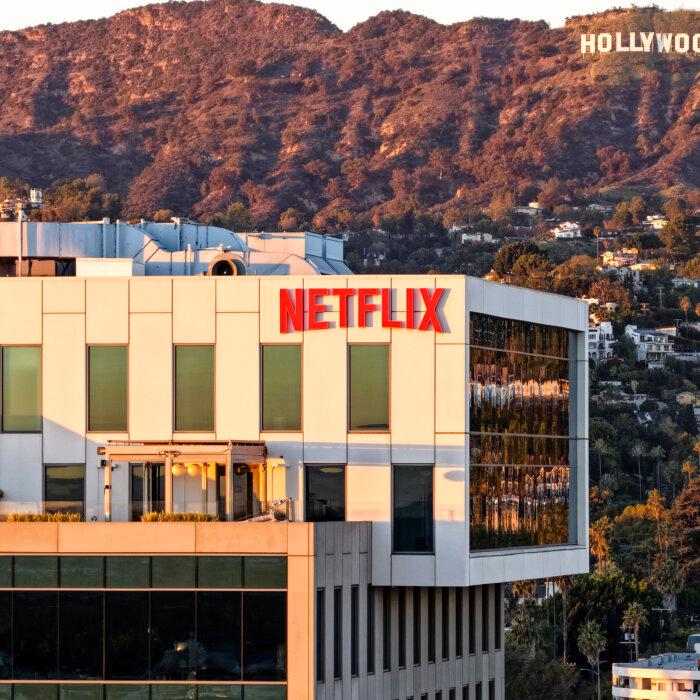
Paramount’s move follows Netflix’s agreement earlier this month to acquire Warner Bros. Discovery for $72 billion in equity, after outbidding Paramount and Comcast.The companies expect the deal to close in the third quarter of 2026.
It has assembled support from RedBird Capital, the Ellison family, and $54 billion in debt commitments from Bank of America, Citi, and Apollo Global Management.
Scrutiny
Political scrutiny escalated even before Tencent’s withdrawal. President Donald Trump said on Dec. 7 that he planned to “be involved” in deciding whether the Netflix–Warner Bros. merger should proceed.He told reporters at the Kennedy Center Honors that economists would need to assess whether the combined entity’s “big market share ... could be a problem.”
Lawmakers from both parties have warned that Netflix’s acquisition could entrench its dominance in streaming.
Industry unions echoed those concerns. The Writers Guild of America (East and West) said on Dec. 5 that the world’s largest streamer acquiring a top competitor was precisely “what antitrust laws were designed to prevent,” warning it would eliminate jobs, suppress wages, and reduce content diversity.