The latest earnings indicate that the company’s financial health, which has suffered over the past year, is improving under the leadership of CEO Kelly Ortberg.
Boeing lost $176 million in the April–June period, down from $1.09 billion a year ago. After adjusting for one-time expenses, quarterly losses totaled $433 million, or a better-than-expected $1.24 per share.
Revenues surged $22.75 billion, higher than the market estimate of $21.84 billion. This was driven mainly by an 81 percent year-over-year increase in the company’s commercial airplane unit, totaling $10.87 billion.
The company also burned through less cash. In the second quarter, Boeing consumed $200 million, down from $4.3 billion in the year-ago period.
A solid earnings report was not enough to satisfy Wall Street.
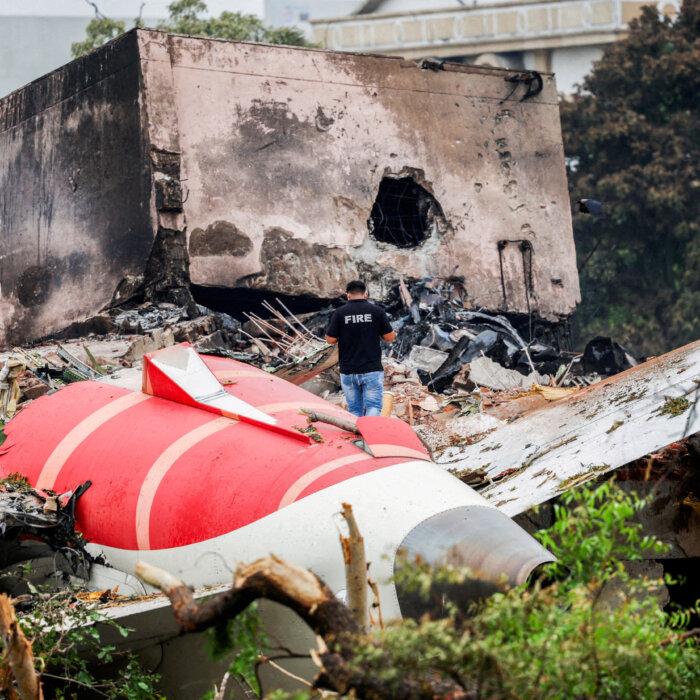
First, Boeing announced that the long-awaited certification of the 737 Max 7 and Max 10 will not happen this year. Ortberg pushed back the expectation to next year.
“We have several solutions that we’re still working to finalize, and that’s why we’ve decided to move the certification into next year.”
Boeing’s earnings were also impacted by a $445 million charge resulting from an arrangement with the Department of Justice to avoid prosecution related to two incidents involving its best-selling 737 Max that killed 346 individuals.
Ongoing safety concerns, potential labor unrest in its defense segment, and deteriorating quarter-over-quarter loss per share have been other factors that have harmed the stock.
Many Wall Street analysts have reiterated or upgraded their ratings this month, including Citigroup, JPMorgan Chase, Sanford C. Bernstein, and Susquehanna.
Ortberg, writing in a note to staff, expressed optimism over the company’s changes.
Trump Trade Deals
Boeing has garnered attention for its presence in President Donald Trump’s trade deals.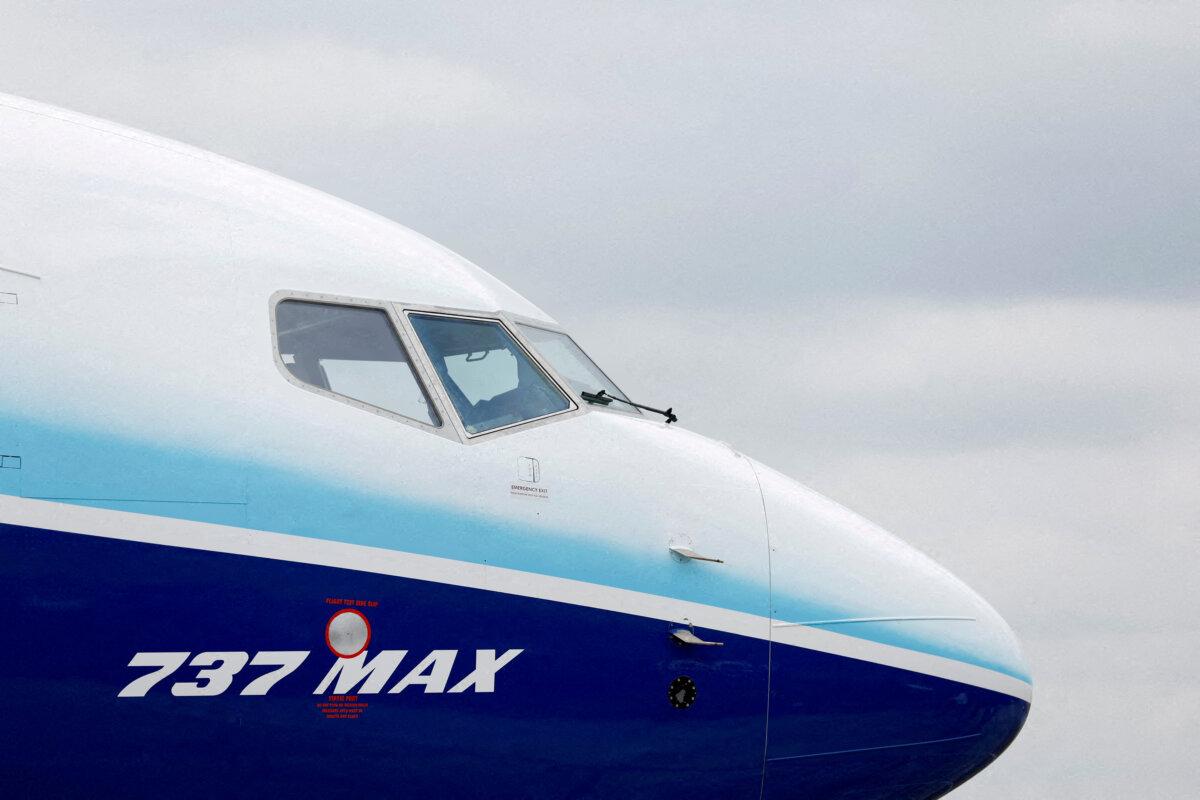
The European Union, the United Kingdom, Japan, and Indonesia have committed to purchasing billions of dollars’ worth of Boeing aircraft.
Bangladesh is the latest country to emulate others. Its government offered to purchase 25 jets from Boeing as part of efforts to encourage Trump to lower tariffs.
The aerospace manufacturer has been a significant component of other economic cooperation arrangements established by the White House with several Middle Eastern countries.
Saudi Arabia, for example, will purchase 737-8 passenger aircraft for AviLease, a deal worth $4.8 billion.
Boeing has also benefited from tariff-related provisions in the administration’s deals.
In the U.S.–EU trade agreement, the zero-for-zero tariff inclusion for airplanes and aircraft parts will prove critical for the company.
“It’s super critical,” Ortberg said. “The administration is doing a really, really good job as they’re negotiating these bilaterals, taking into account the implications on the aerospace industry.”
The latest trade deals have given the company more confidence to navigate through the tariff climate, Ortberg added.
“I like the way this tariff situation is playing out,” he said. “It’s good for our business. It’s good for aerospace.”