“A merger would enable them to achieve huge synergies both in their operations and in the trading price and spreads of their MBS, savings which could be passed along to consumers in the form of reduced mortgage rates,” Ackman said. MBS refers to mortgage-backed securities, which are investments in home loans and other real estate debt.
“A merger would also reduce the cost and risks of government oversight as there would be only one institution that would require FHFA oversight,” he added, referring to the Federal Housing Finance Agency, which currently regulates Freddie Mac and Fannie Mae.
In May, President Donald Trump announced he would discuss the matter of taking the entities public with FHFA director William J. Pulte, Treasury Secretary Scott Bessent, and Commerce Secretary Howard Lutnick before deciding on the issue.
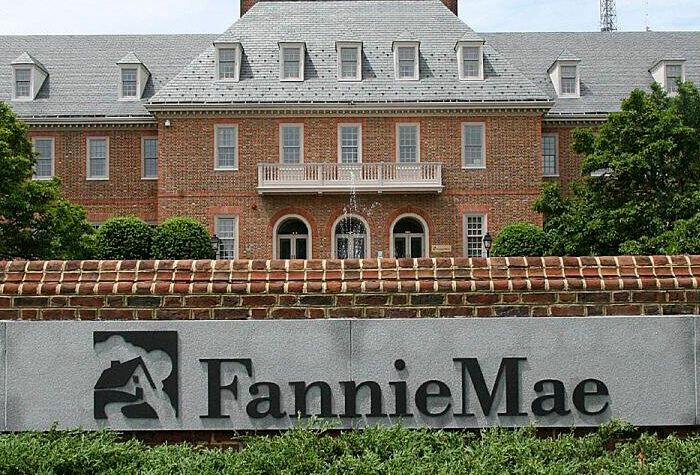
Freddie Mae and Fannie Mae are entities that buy mortgages from lenders, either holding them in their portfolio or selling them as mortgage-backed securities.
By engaging in such activity, the entities provide liquidity and stability to the U.S. housing market. While Fannie Mae purchases mortgages from major commercial banking institutions, Freddie Mac buys from Savings and Loan Associations.
Government Oversight
Before the 2008 financial crisis, Freddie Mac and Fannie Mae were private companies backed by the Department of the Treasury. Declining home prices and increasing mortgage delinquencies put the companies at risk of collapse.Currently, homeownership is difficult for many Americans due to high mortgage rates and home prices, they wrote.
But even in this tough environment, government-backed mortgage financing through Freddie Mac and Fannie Mae “remains one of the lowest cost sources of lending for homeowners and multifamily housing developers alike by providing liquidity to the mortgage market,” the lawmakers said.
Taking the companies public could result in these entities prioritizing investor profits over homes for Americans, they said.
“Should President Trump make good on his plans, he may take us back to the status quo before the 2008 foreclosure crisis, when the Enterprises’ investors enjoyed the full profits that come with privatization while knowing taxpayers would be on the hook for any future failures,” they wrote.
“I am working on TAKING THESE AMAZING COMPANIES PUBLIC, but I want to be clear, the U.S. Government will keep its implicit GUARANTEES, and I will stay strong in my position on overseeing them as President,” he wrote.