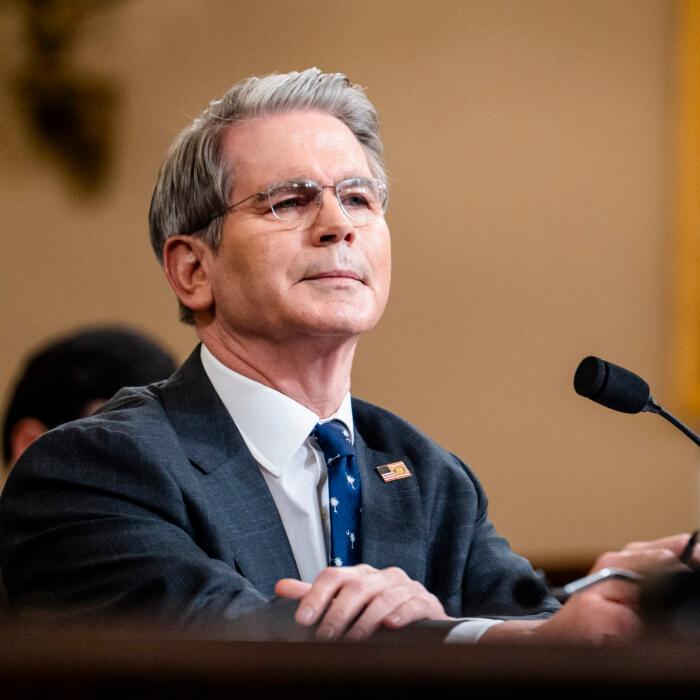
The Federal Reserve’s challenges extend beyond Chair Jerome Powell’s stance on interest rates, said Treasury Secretary Scott Bessent on CNBC’s “Squawk Box” on July 7.
President Donald Trump and senior administration officials have repeatedly criticized Powell for not lowering interest rates, given that inflation is hovering close to the central bank’s 2 percent target, and the labor market remains in a solid position.
The White House recently said the board also bears responsibility for not reducing the key policy rate earlier.
Trump has expanded his criticisms to the Federal Reserve as a whole.

“Jerome ‘Too Late’ Powell, and his entire Board, should be ashamed of themselves for allowing this to happen to the United States,” he said. “The Board just sits there and watches, so they are equally to blame. We should be paying 1 percent interest, or better!”
The Federal Reserve Board contains seven members. Each member is identified as a governor and appointed by the president, serving a 14-year term. The board is led by a chair, who serves a separate four-year term.
Powell was first appointed to the board by President Barack Obama in 2012 to fill a vacancy left by Frederic Mishkin and was elevated to chairman in 2018 by Trump.
Trump selected Michelle Bowman in 2018 and Christopher Waller in 2020. President Joe Biden chose Michael Barr (2022), Lisa Cook (2022), Philip Jefferson (2023), and Adriana Kugler (2023).
The president and his team have been laser-focused on choosing Powell’s replacement. The Fed chair’s term expires in May 2026, and Trump has stated that he has a few candidates in mind.
That said, with Kugler’s term set to expire next year—she replaced Lael Brainard, who became National Economic Council Director in the Biden administration—Trump administration officials are also eyeing a board seat.
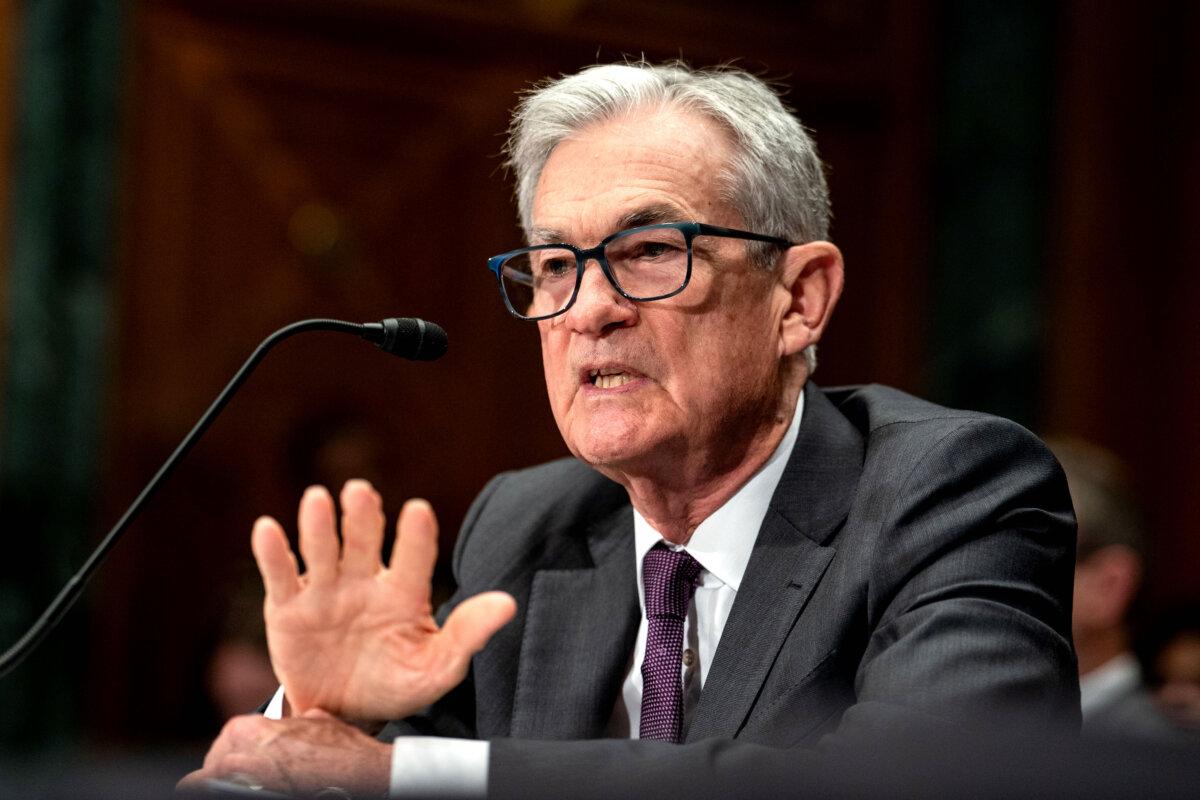
Powell’s term on the board expires in January 2028.
Trump, meanwhile, has confirmed that he will not appoint anyone who opposes cutting interest rates.
Voices at the FOMC
In a July 3 interview with CNBC’s “Squawk on the Street,” Bessent pointed to the policy divergence between Trump and non-Trump appointees.“I'll let you read into that what you want,” he said.
In addition to shaping policy, Federal Reserve governors are voting members of the rate-setting Federal Open Market Committee, or FOMC.
But while Bowman and Waller have expressed support for lowering interest rates sooner, they have supported keeping the benchmark federal funds rate—a policy rate that influences business, consumer, and government borrowing costs—higher for longer at the FOMC meetings.
Last month, the two Federal Reserve officials said they would favor pulling the trigger on a rate cut at the July FOMC policy meeting.
Others, meanwhile, have beaten the patience drum, arguing that monetary policymakers can be patient and wait for more data before taking action.
Kugler says the central bank should keep rates steady amid tariff-driven upside inflation risks.
The projected effects of the president’s tariffs have not yet materialized in the hard data. Powell recently told lawmakers on Capitol Hill that he expected them to start showing up in the June and July data.
CPI figures for July are then expected to stall, rising 0.1 percent, according to the regional central bank’s model.
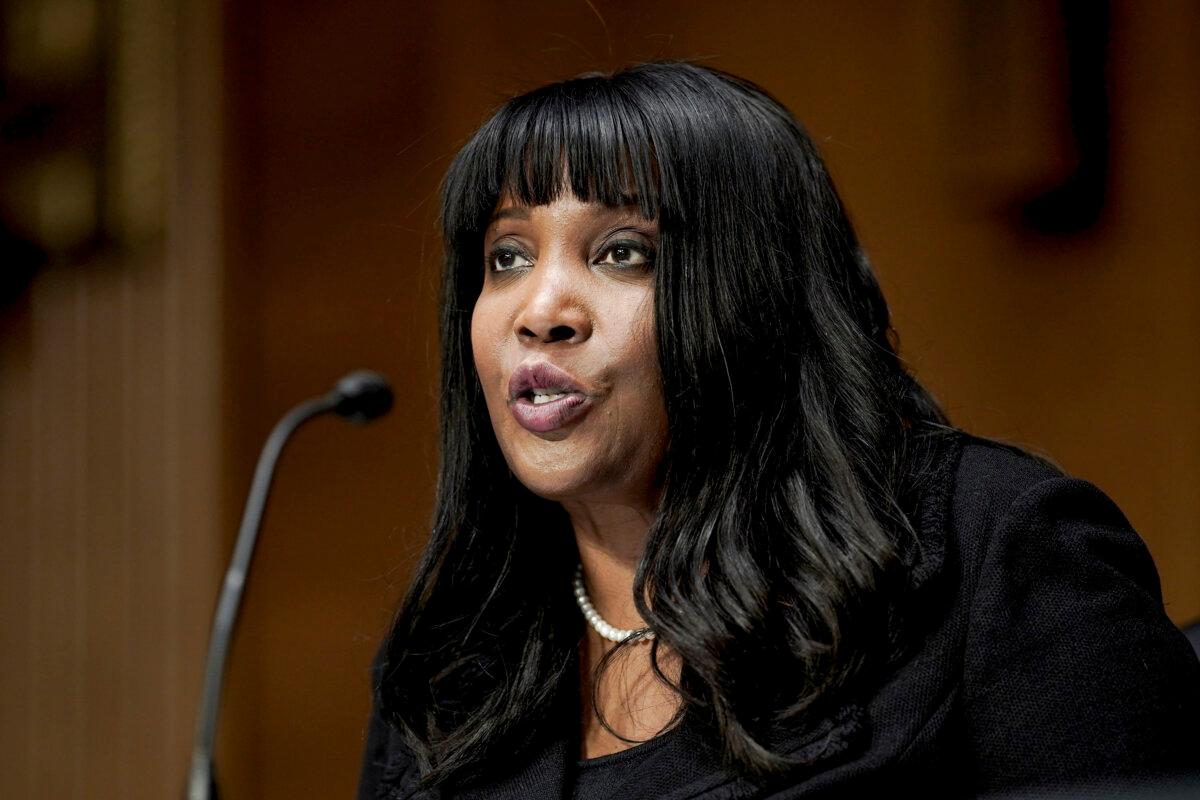
“There is evidence that changes to trade policy are starting to affect the economy,” Cook said.
Powell noted that if tariff-driven inflation proves to be a one-time price adjustment or less severe than expected, he and his colleagues would support lowering the policy rate—even as early as July.
“I wouldn’t take any meeting off the table or put any on the table. It depends on how the data evolve,” Powell said on a panel at the European Central Bank forum in Portugal on July 1.