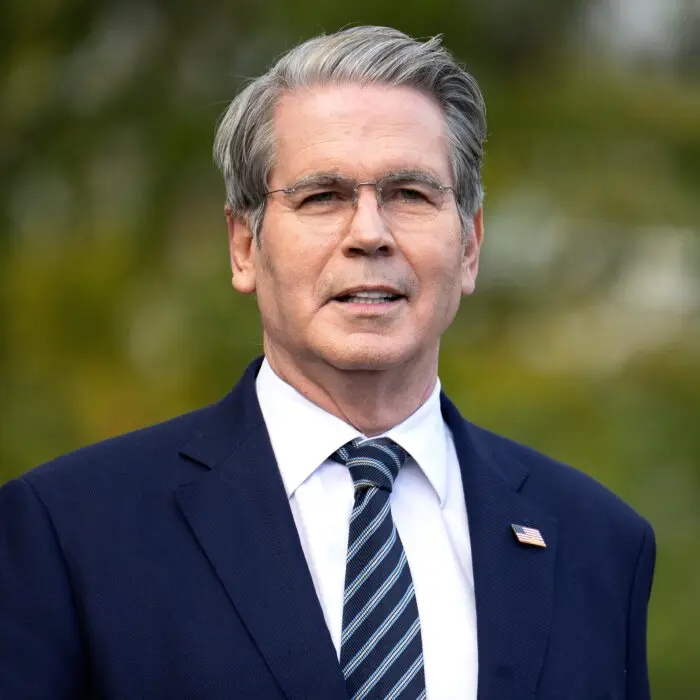
Treasury Secretary Scott Bessent has announced a sweeping overhaul of the government body responsible for monitoring emerging threats to the nation’s financial system, pushing for an approach more oriented toward economic growth.
“Economic growth is critical to financial stability,” Bessent wrote in the letter. “Yet prophylactic financial regulatory and supervisory policies generally do not account for their overall impact on economic growth.”
To maintain both “economic security” and “the nation’s standard of living,” Bessent said, the FSOC will examine whether parts of the U.S. financial regulatory framework impose “undue burdens and negatively impact economic growth, thereby undermining financial stability.”
The FSOC was created by Congress in 2010, in the aftermath of the 2008 global financial crisis, to help detect and respond to the kinds of threats that contributed to the downfall of major Wall Street firms and the deepest economic downturn since the Great Depression.
As Treasury secretary, Bessent chairs the council.

Bessent’s letter outlines several new FSOC working groups, including teams devoted to market resilience, household resilience, and artificial intelligence (AI). There will also be a new workstream to coordinate with other agencies on threats such as cyberattacks and operational disruptions.
The AI workgroup, according to Bessent, will focus both on how to encourage regulators’ use of AI tools and to identify regulatory obstacles that may be slowing “responsible adoption” of AI technologies in the financial service sector.
The shift at the FSOC aligns with the Trump administration’s broader push to cut wasteful spending and unnecessary regulations. The Office of the Comptroller of the Currency and the Federal Deposit Insurance Corporation, both having seats on FSOC, have already moved this year to reverse several Biden-era rules and accelerate efforts related to digital assets and supervisory reform.