Argentine President Javier Milei will head into pivotal legislative elections this weekend that will decide the fate of his reform agenda—efforts that have drawn support from the United States and global investors.
Voters head to the polls on Oct. 26 for the first midterm elections under the libertarian leader. Half of the seats in the National Congress—127 in the lower house and 24 in the upper house—will be up for grabs.
The left-leaning Unión por la Patria opposition—the Peronist coalition—currently controls the most seats in both chambers. Milei’s La Libertad Avanza party is the second-largest bloc, with 37 deputies and six senators. Several other political parties hold the remaining seats.
A substantial victory for Milei will not deliver a majority for his party in Congress. However, winning at least one-third of the vote would be a positive development for the ruling government and stop legislative efforts by opposition lawmakers to overturn the president’s vetoes.
Observers view the Argentine legislative elections as a verdict on the president’s “shock therapy“ reforms and ”chainsaw” economics.

Through a wave of executive actions, the Milei administration has launched sweeping reforms that have reshaped Argentina’s economic landscape—from deep cuts in public spending to a dramatic downsizing of government institutions.
These measures have fulfilled many key promises from Milei’s 2023 campaign to curb state excess and tackle runaway inflation. As a result, the country has recorded three consecutive quarters of economic growth, a decline in poverty rates, and consistent budget surpluses.
But results from last month’s provincial elections also reflected a sizable share of the public becoming frustrated with the government’s austerity measures. Additionally, allegations of bribery, drug trafficking, and kickbacks, and links to a controversial cryptocurrency token in February, have weighed on the current government.
In Buenos Aires, Milei’s La Libertad Avanza suffered a stinging loss, with the Peronist-Kirchnerist alliance winning more than 47 percent of the vote on Sept. 7.
This sparked upheaval in the financial markets as investors—at home and abroad—feared Milei’s ability to implement his reforms would be diminished.
The S&P MERVAL Index—a benchmark stock market index for Argentina—plummeted. Bond prices tanked, and the Argentine peso weakened considerably against the U.S. dollar.
America to the Rescue
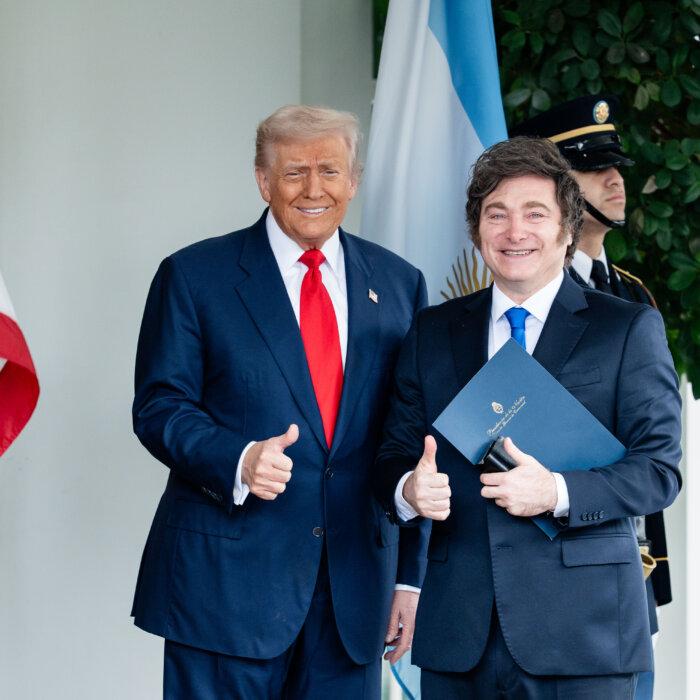
Treasury Secretary Scott Bessent unveiled a $20 billion economic rescue package earlier this month. The assistance features a currency swap agreement between the Treasury Department and Argentina’s central bank. The program aims to boost Argentina’s foreign reserves and stabilize the peso during a cash crunch.Trump also said earlier this week that the United States may import Argentine beef to alleviate rising meat prices.
“We would buy some beef from Argentina,” the president told reporters aboard Air Force One. “If we do that, that will bring our beef prices down.”
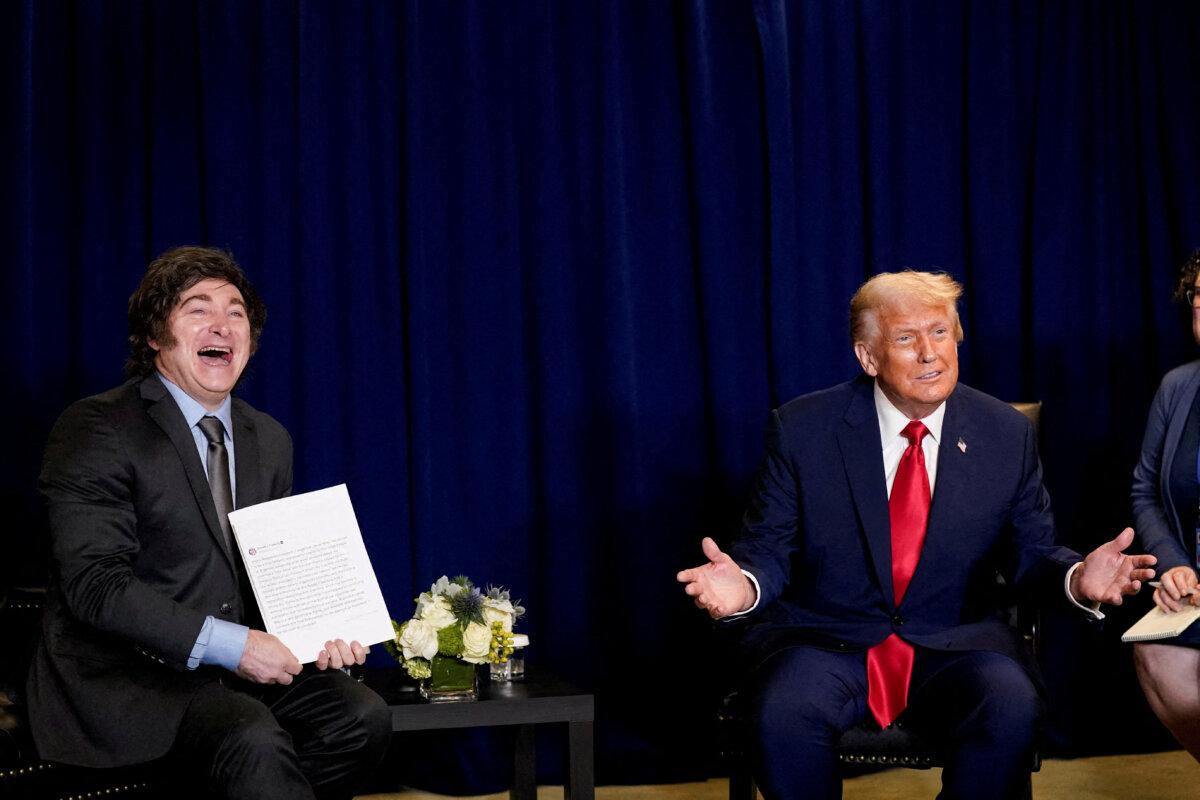
But U.S. support will be contingent on the electoral outcome in the region’s third-largest economy.
“Because if a socialist wins, you’d feel a lot differently about making an investment.”
Bessent reiterated the president’s sentiment, telling the press that reverting to “Peronist policies would cause a rethink.”
While the Peronists delivered a stunning upset last month, their momentum appears to have faded, and the La Liberta Avanza has been gaining ground. Investor optimism was high ahead of Election Day. Argentinian stocks, government bonds, and the peso strengthened to finish the trading week on expectations that Milei will be victorious.
In the end, a lot is riding on this weekend’s battle at the ballot box, says Kimberley Sperrfechter, emerging markets economist at Capital Economics.
Washington and financial markets will be paying close attention to the results the next morning.