Treasury Secretary Scott Bessent said on Jan. 9 that Argentina has repaid a drawdown on the $20 billion swap line with the United States.
It is unclear how much the Argentine government used from the swap line.
Three months later, after employing a “peace through economic strength” policy, the United States no longer held pesos and generated a profit from the agreement.
“Setting the course for Latin America, a strong and stable Argentina that helps anchor a prosperous Western Hemisphere is in our clear best interest.”
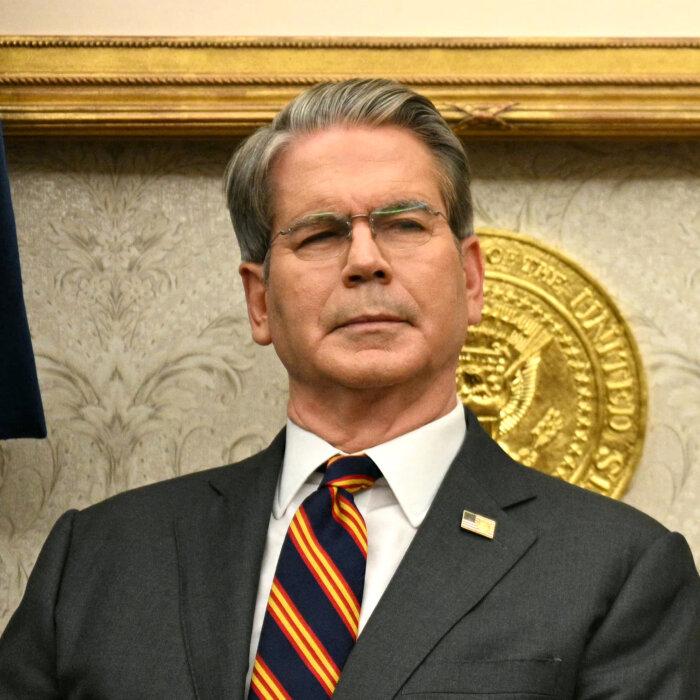
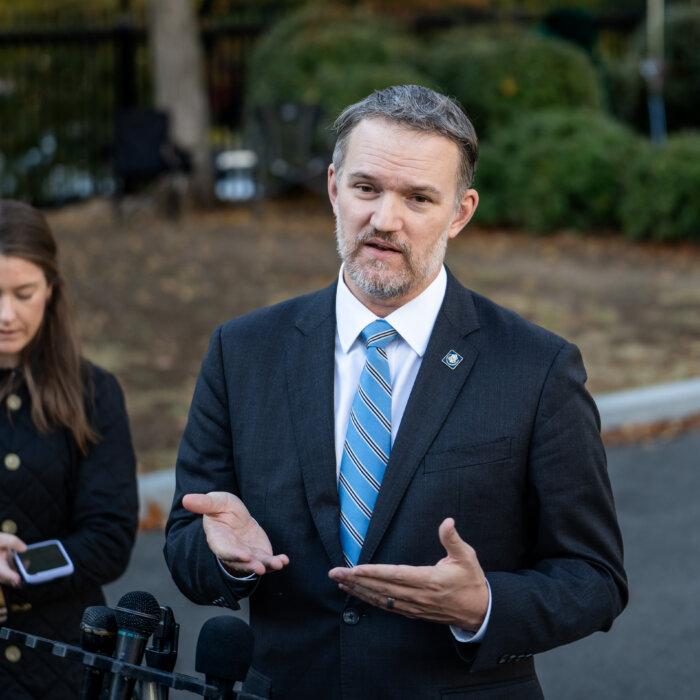
The White House received criticism from U.S. lawmakers who have likened the support to a financial bailout.
“Americans rightfully have questions about how more than $20 billion of their tax dollars are being used to prop up the economy of a foreign country and its global investors, particularly at a moment when so many families are suffering from an increasingly high cost of living,” Warren and Sen. Jeanne Shaheen (D-N.H.) said in a Dec. 18 statement.
However, the administration has dismissed suggestions that this was a bailout. This is because a swap line is temporary liquidity, not a taxpayer-funded grant.
Additionally, Buenos Aires was required to return the dollars at the end of the swap period.
Ultimately, the aim was to stabilize Argentina’s markets and address “acute, short-term, and urgent illiquidity pressure” rather than absorb the nation’s liabilities or provide capital to prevent insolvency, Bessent noted.
“With Argentina stabilized, the markets are now meeting the Argentine Republic’s financing needs under President Milei’s visionary leadership,” Bessent said in his X post.
“President Milei and Finance Minister [Luis Caputo] are building positive momentum, and we anticipate their continued progress.”
Post-Election Stability
After disappointing September 2025 provincial election results for Milei and his La Libertad Avanza party, Argentine stocks and bond prices, and the currency, tanked on fears that his agenda to stabilize the country’s finances would be in jeopardy.However, following the Oct. 26 midterm legislative elections, Milei’s party earned 41 percent of the vote and secured 64 seats in the lower house and 13 seats in the Senate.
Since then, the S&P MERVAL Index—Argentina’s benchmark stock market index—has climbed almost 61 percent.
The Argentine president’s efforts to stabilize economic conditions are reflected in the data.
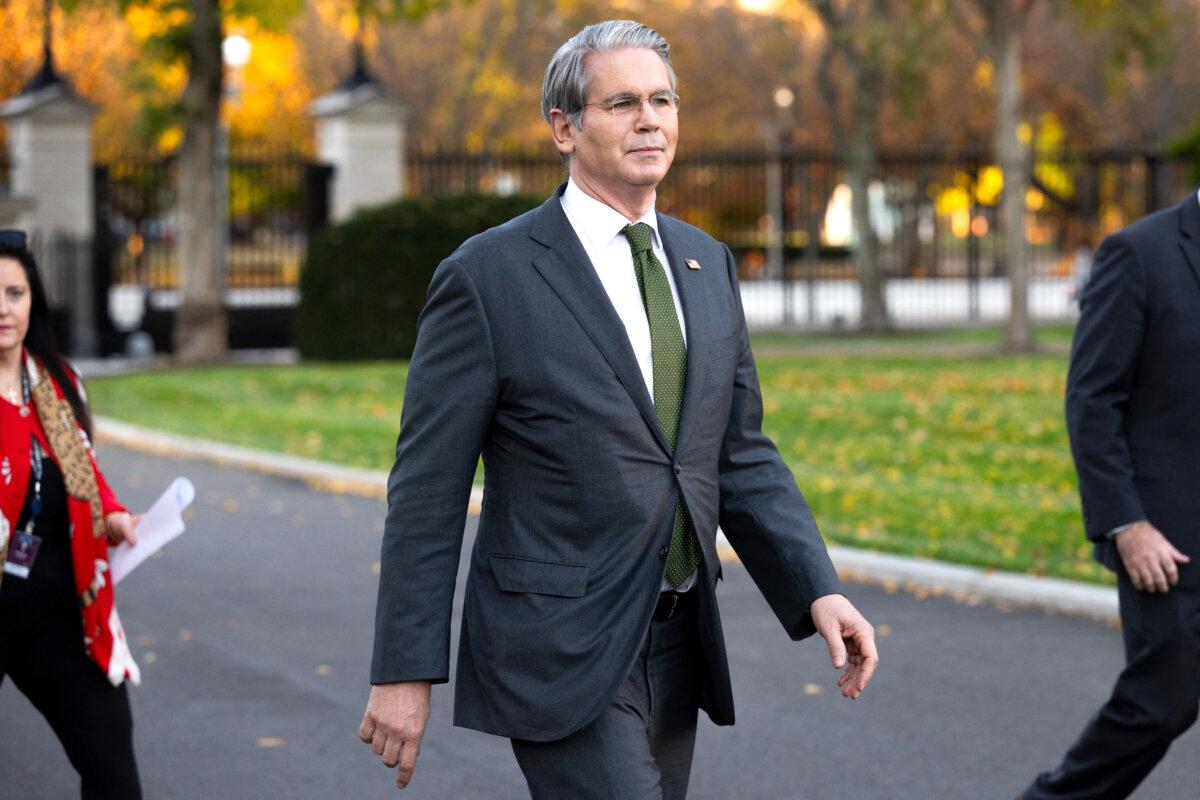
While inflation is down and the economy is growing, Argentina does not possess a “strong trade surplus to generate inflows of foreign currency,” according to the report.
“If the Milei government finds itself without adequate foreign exchange to make debt payments and sustain exchange rate policy goals, it will likely face difficult policy decisions, such as whether to default on its debt for a 10th time or allow more flexibility in the value of the peso,” the report stated.
As a result, Milei may have to pursue additional financial support from the United States or the International Monetary Fund.
Last year, the International Monetary Fund approved a 48-month $20 billion lending program designed to allow Argentina to relax most currency and capital controls instituted by the previous Peronist government in 2019.