The provision requires that Apple allow developers to “inform customers, free of charge, of alternative offers outside the App Store, steer them to those offers, and allow them to make purchases.”
The commission said at the time that Apple failed to comply with this obligation and imposed numerous restrictions that blocked developers from selling via distribution channels other than the App Store. The executive body ordered Apple to get rid of any such technical or commercial restrictions.
Apple was given 60 days to comply, failing which the commission threatened the company with “periodic penalty payments.”
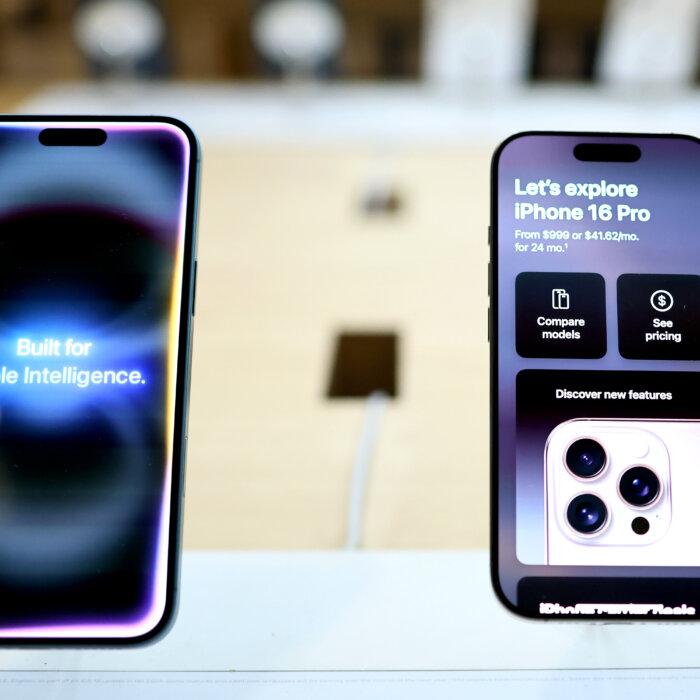

The new EU App Store changes announced on Thursday allow developers to promote and sell at a “destination of their choice,” Apple said in the statement.
“The destination can be a website, alternative app marketplace, or another app, and can be accessed outside the app or within the app,” it said.
However, the new rules reveal a complicated set of charges.
Under the Alternative Terms Addendum for Apps, they gain access to in-app payment processing as well as steering customers to external offers, while the StoreKit External Purchase Link Entitlement (EU) Addendum enables developers to only steer customers to external offers.
Developers choosing the second option will have to pay a 5 percent fee on their apps compared to 0.50 euros ($0.60) per app in the first option.
Tier 1 is the lowest level and charges the lowest store services fee but does not provide developers with features such as automatic app updates, automatic downloads, expedited app reviews, and responding to user reviews.
Tier 2 charges higher store service fees, with developers having access to features not available in Tier 1.
“Apple’s new Digital Markets Act malicious compliance scheme is blatantly unlawful in both Europe and the United States and makes a mockery of fair competition in digital markets. Apps with competing payments are not only taxed but commercially crippled in the App Store,” he wrote.
“Apple blocks auto-updates to these apps, cripples search for them, and blocks customer support and family sharing, and otherwise ensures that using these apps will be an intentionally-miserable experience for users and a commercial failure for developers.”
The Epoch Times reached out to Apple for comment regarding criticism of the new rules but did not receive a response by publication time.
EU’s Clampdown on US Tech
The EU’s DMA regulations have targeted U.S. big tech companies in addition to Apple.A Meta spokesperson told The Epoch Times that the commission was “attempting to handicap successful American businesses while allowing Chinese and European companies to operate under different standards.”
Alphabet was accused of favoring its own services compared to rival ones in Google search, “thus not ensuring the transparent, fair, and non-discriminatory treatment of third-party services,” the commission said in a March 18 statement. The company was also deemed to be violating “steering rules” for apps in Google Play.
Google criticized the commission’s decision on Alphabet in a March 18 statement, warning that the move would “hurt European businesses and consumers, hinder innovation, weaken security, and degrade product quality.”
“For big tech, leaving Europe is not an option. And that is precisely where Brussels derives its power: By imposing demanding rules, it forces global changes, since maintaining different versions of a product for each region is costly and technically unfeasible,” she wrote.
“In this way, the European Union becomes a de facto global legislator, exporting its regulatory vision to the rest of the world.”
The Trump administration has taken action to protect U.S. tech companies globally.
On Feb. 21, President Donald Trump signed a memorandum seeking to protect American companies from “overseas extortion,” according to a White House fact sheet.
“Regulations that dictate how American companies interact with consumers in the European Union, like the Digital Markets Act and the Digital Services Act, will face scrutiny from the Administration,” it said.