Home furnishing retailer American Signature Inc. has filed for Chapter 11 bankruptcy at the U.S. Bankruptcy Court for the District of Delaware and is pursuing a sale of its assets, the company said in a Nov. 23 statement.
The company also said there are challenges of “heightened cost pressures due to rising inflation, elevated interest rates, newly established tariffs, and a post-pandemic slowdown in consumer demand for furniture.”
American Signature operates more than 120 stores across 17 states, employing about 3,000 workers. Founded in 1948, the company is headquartered in Ohio.
American Signature said it has initiated a sales process for a competitive auction to get the highest value possible for shareholders. It expects to enter into an asset purchase agreement with a buyer, who is projected to acquire substantially all of its assets as well as assume certain liabilities.


The two brands under American Signature, Value City Furniture and American Signature Furniture, will continue running their stores and websites during the process, fulfilling customer orders and offering related services.
The retailer said it has secured about $50 million in funding to support its operations during the bankruptcy proceedings.
Before filing for bankruptcy, certain Value City Furniture and American Signature Furniture stores had already kicked off closing sales, offering deep discounts.
American Signature’s bankruptcy filing comes as overall commercial bankruptcy filings in the United States have risen in recent times.
Commercial Chapter 11 filings were up 11 percent year over year, it said.
“Persistent economic headwinds—including higher prices, tighter lending conditions, and ongoing geopolitical uncertainty—continue to weigh on financially distressed consumers and businesses,” ABI Executive Director Amy Quackenboss said. “Bankruptcy remains an indispensable tool to help debt-burdened families and businesses achieve a financial fresh start.”
The Trump administration has taken steps to ease the burdens on business owners.
Under the initiative, private equity and debt investment funds can get access to low-cost, government-backed capital that can be used to increase their investments in small businesses and startups.
In 2025, the funding under the SBIC program hit $53 billion, compared to $46 billion in fiscal year 2024, the agency said.
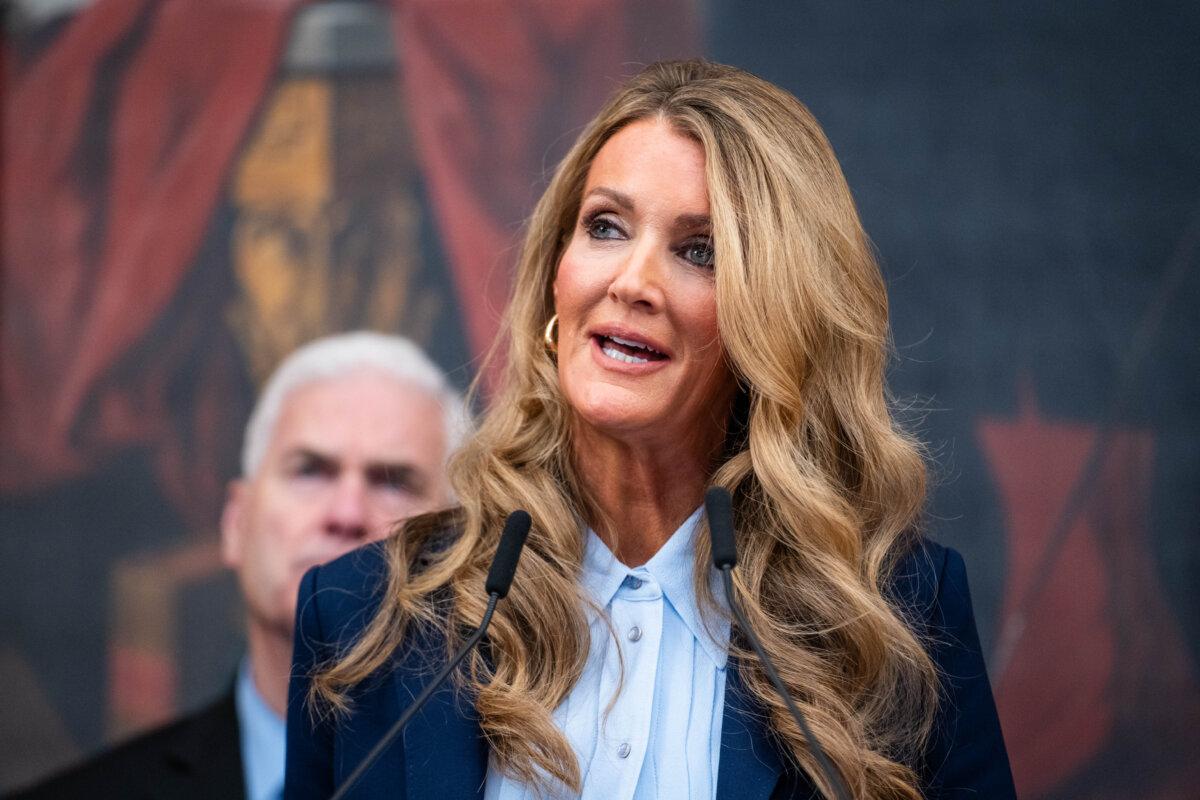
“With a record year for SBIC licenses, leverage, and activity, it’s clear that the private sector is responding to the Trump Administration’s historic tax cuts and deregulation to invest for the long-term,” SBA Administrator Kelly Loeffler said. “And with the private-public partnership of SBA now reaching a combined $100 billion of impact for the first time in history across lending, SBIC, and SBIR [Small Business Innovation Research], this Trump-era rocket fuel will define American strength and security for the next generation.”