Airbus confirmed that it identified a supplier quality issue on Dec. 1 affecting a limited number of metal panels used on A320-family aircraft.
A spokesperson for the Netherlands-based aerospace manufacturer told The Epoch Times in an emailed statement that the company had moved quickly to address the problem and was taking broad precautionary steps.
“As it always does when faced with quality issues in its supply chain, Airbus is taking a conservative approach and is inspecting all aircraft potentially impacted – knowing that only a portion of them will need further action to be taken,” the spokesperson said.
The company added that “the source of the issue has been identified, contained and all newly produced panels conform to all requirements.”
Airbus relies on internal and external suppliers for its aerostructures. The front of the A320 fuselage is mostly made in France, with the rear built in Germany. Upper panels are usually produced in-house, while the remainder involves multiple suppliers.
Airbus did not identify the supplier responsible for the affected components.
Software Update Nears Completion
The quality issue emerged just as Airbus reported progress on a separate, mandatory global software update applied to approximately 6,000 A320-family aircraft.“We are working with our airline customers to support the modification of less than 100 remaining aircraft to ensure they can be returned to service,” Airbus said.
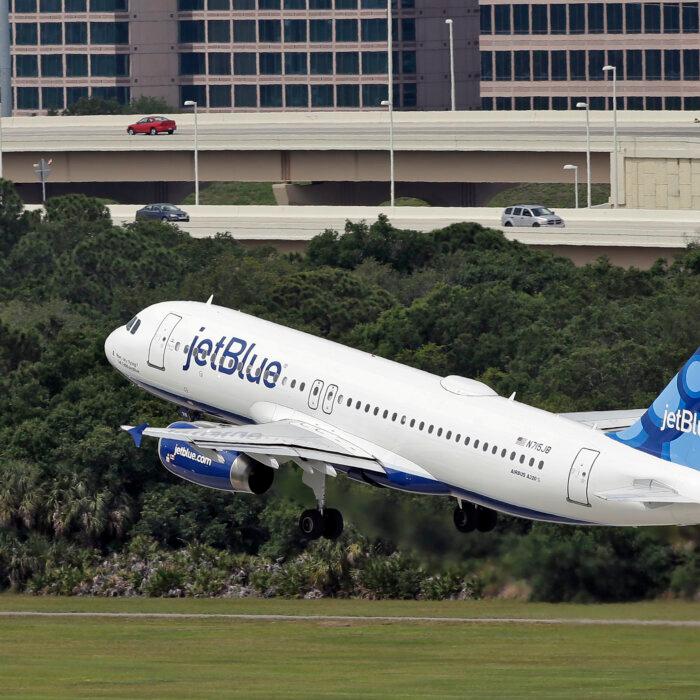
The software fix was ordered after an Oct. 30 incident, when a JetBlue Airways A320 flying from Cancun, Mexico, to Newark, New Jersey, experienced a sudden uncommanded drop in altitude.
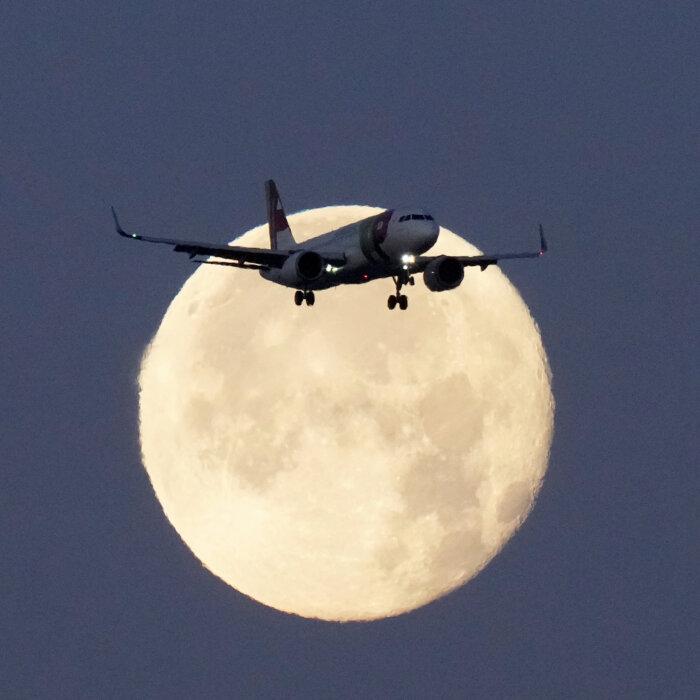
Investigators later linked the event to corrupted flight-control data, possibly triggered by intense solar radiation. The Federal Aviation Administration and the European Union Aviation Safety Agency instructed airlines last week to complete the update.
Strong solar radiation can affect satellite navigation systems, radio frequencies, and other high-altitude electronics, particularly during periods of heightened solar activity.
Airbus said it anticipated some operational disruptions during the rollout but emphasized that safety was its priority.