It was a tale of two quarters on Wall Street and the broader economy, transitioning from a bust and contraction to a boom and expansion.
U.S. stocks opened the June 30 trading session higher, capping off a raucous second-quarter performance, driven by a solid May and June rally.
The blue-chip Dow Jones Industrial Average rose more than 100 points, or 0.3 percent. The index registered a gain of nearly 4 percent in June and posted a quarterly increase of about 4.6 percent. The Dow Jones is now up more than 3 percent this year.
The tech-heavy Nasdaq Composite Index and the broader S&P 500 Index reached fresh record levels to end the quarter, with each climbing about 0.2 percent. In the April–June period, the Nasdaq and S&P 500 surged 17 percent and 10 percent, respectively, and are up 5 percent year to date.
President Donald Trump’s sweeping tariff plans rocked and shocked Wall Street in 2025. In March and April, investors worried that the administration’s aggressive trade agenda would spark a recession and reignite inflation pressures, triggering consternation that the leading benchmark indexes would enter bear market territory.
The S&P 500 sank 5 percent and the Nasdaq tanked 11 percent in the first three months of 2025. Wall Street’s fear metric, the CBOE Volatility Index, soared to levels only observed during the 2008 global financial crisis of 2008–09 and the coronavirus pandemic that began in 2020.

Safe-haven assets also endured immense bouts of instability.
Global investors dumped the greenback, a symbol of steadiness, and the losses continue to mount. The U.S. Dollar Index, a gauge of the dollar against a weighted basket of currencies including the Japanese yen and the British pound, posted a quarterly loss of nearly 7 percent, adding to its year-to-date decline of almost 11 percent.
“The fall from grace was sharp and painful,” said Adam Turnquist, the chief technical strategist at LPL Financial, in a note emailed to The Epoch Times.
“Peak panic and peak policy uncertainty triggered indiscriminate selling, as the administration’s reciprocal tariff announcement created ’sell now, ask questions later' sentiment among most investors.”
A social media post from the president provided a signal of what was to come.
Hours later, the president announced a 90-day pause on his April 2 reciprocal tariffs and revealed a more moderate trade stance, allowing U.S. trading partners to negotiate new trade agreements.
Investors became more optimistic as the worst of the market’s tariff-related fears subsided, and volatility that was prevalent on the New York Stock Exchange eased into a calm ocean of stability.
“If the market registers a new high, the next obvious question from investors is, what happens next? As the saying goes, momentum often begets momentum,” Turnquist added.
Peeking at the 3rd Quarter
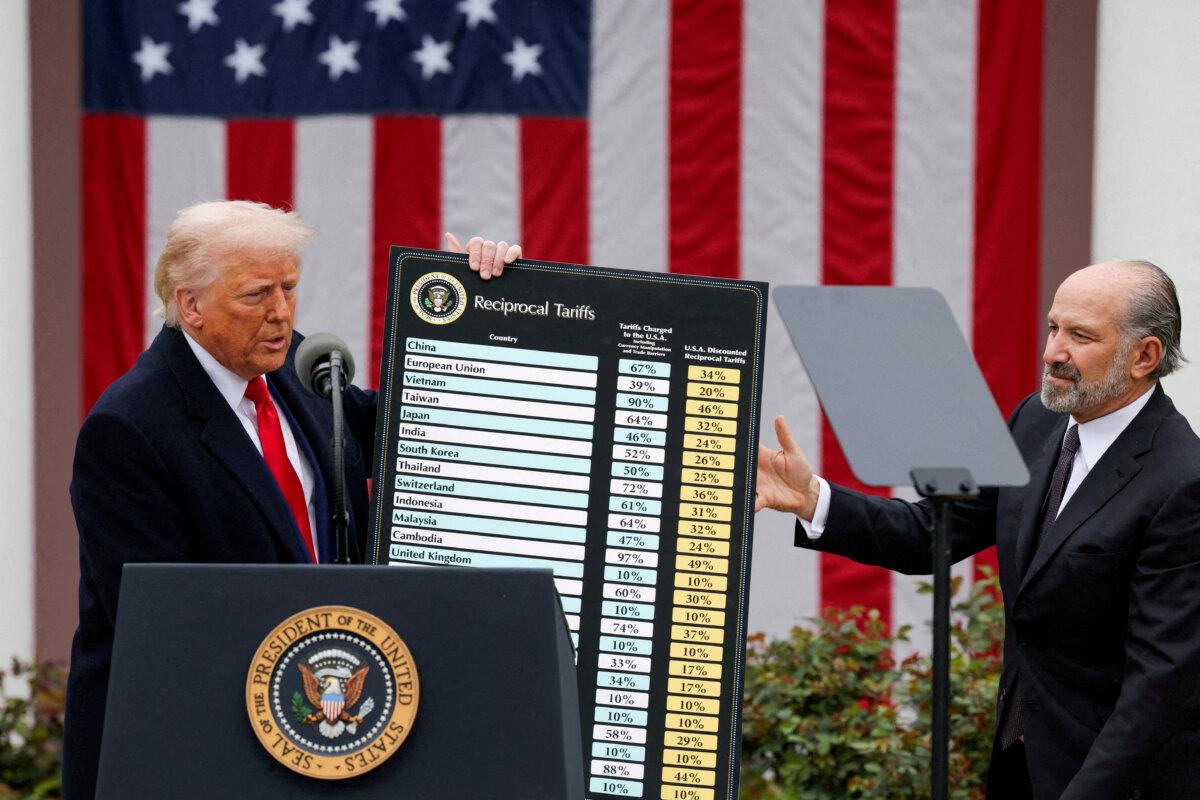
Tariffs are likely to continue playing a pivotal role in the financial markets during the third quarter.The president’s July 9 deadline on reciprocal tariffs is approaching, and Trump has confirmed that the administration sent letters to countries informing them of the upcoming date.
During an appearance on Fox Business Network’s “Sunday Morning Futures” on June 29, the president was asked if he would be willing to extend the deadline.
“We have countries that are negotiating in good faith, but they should be aware that if we can’t get across the line because they are being recalcitrant, then we could spring back to the April 2 levels. I hope that won’t have to happen,” Bessent said.
If trade agreements are not established by next week, U.S. tariff rates on foreign goods could return to as high as 50 percent. However, Bessent and other administration officials have indicated a flurry of trade deals would be unveiled ahead of the July 9 deadline.
Heading into the July–September period, investors have ostensibly shrugged off the prospects of higher tariffs. Instead, market participants have cheered a U.S.-China trade agreement that the White House quietly announced last week.
In addition, Wall Street is monitoring incoming data to determine if there are any adverse reactions to the president’s tariffs—and so far, the coast is clear.
Indeed, price pressures could be forming based on underlying data. Prices for durable goods—key manufacturing products like electronics, automobiles, and furniture—increased for the first time since June 2023.
The debate centers on whether tariff-driven inflation will result in a one-time price adjustment or persistent costs for businesses and consumers.
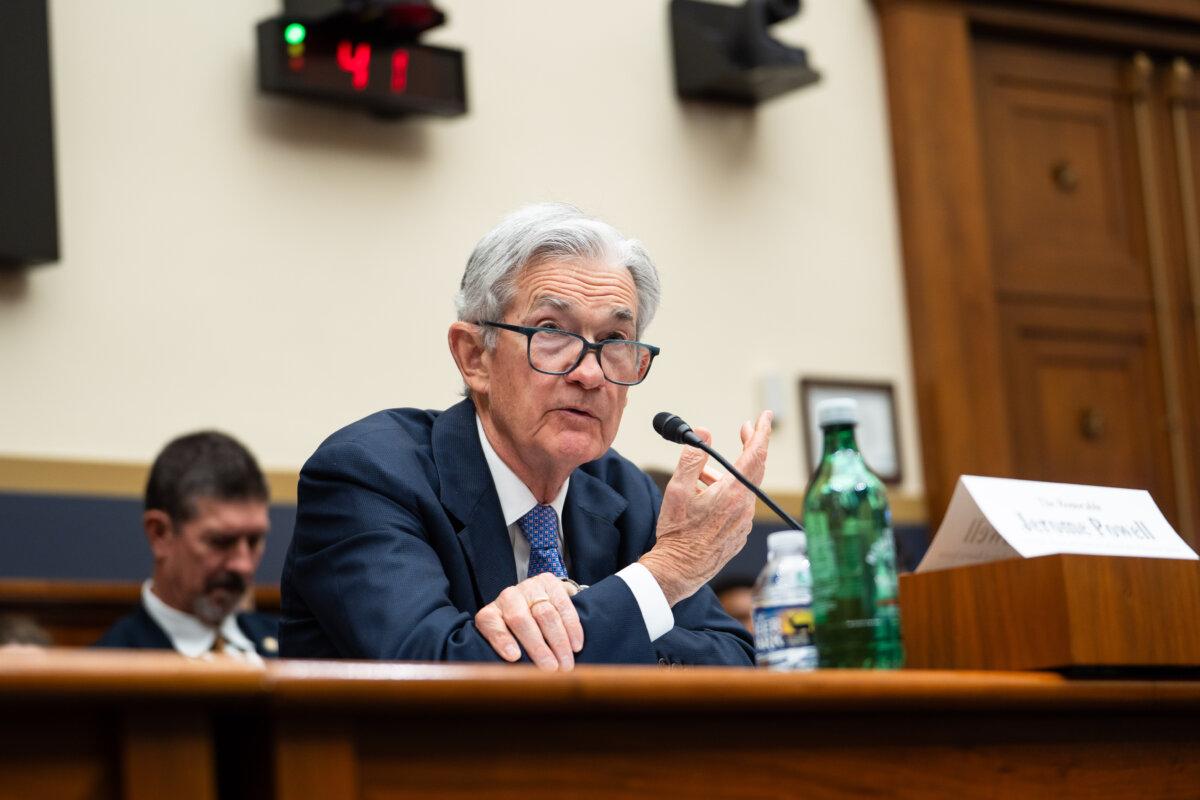
“Policy changes continue to evolve, and their effects on the economy remain uncertain,” Powell said. “The effects of tariffs will depend, among other things, on their ultimate level.”
“We’re just trying to be careful and cautious,” he continued. “We really think that’s the best thing we can do for the people that we serve.”
Interest rates are another factor for investors in the third quarter.
The Fed is expected to restart its easing cycle at the September policy meeting, following through on a quarter-point rate cut.