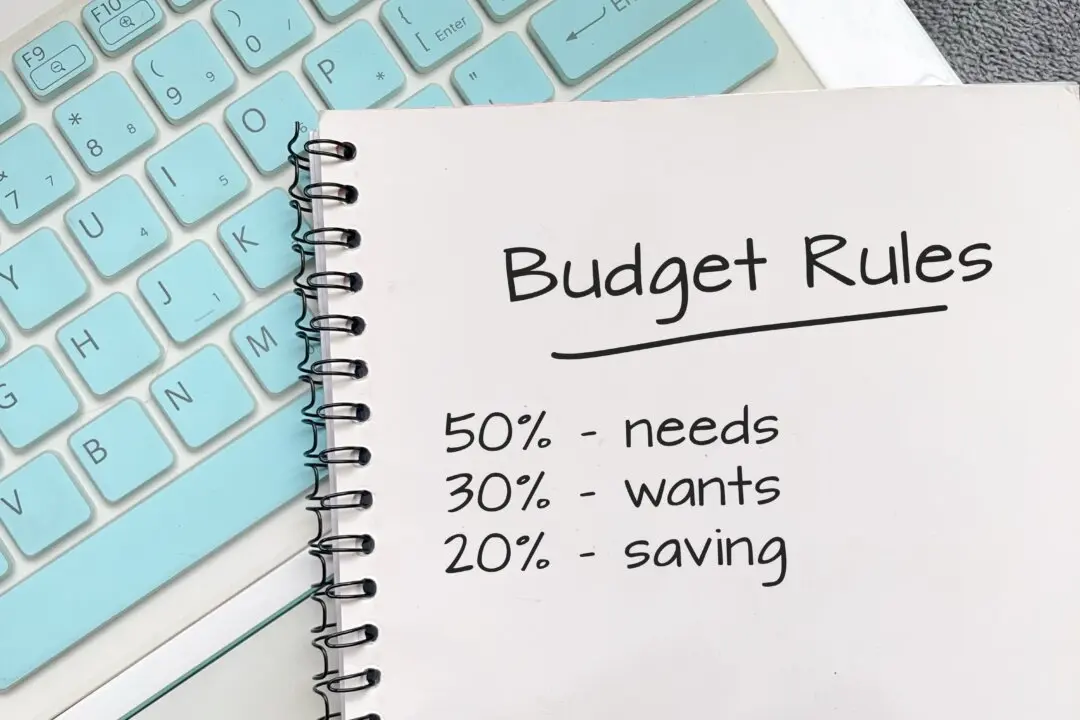
Businesses large and small all want to make more and save more. However, saving money is much easier said than done, especially for new companies.
There are great habits and tips to help any business save money. In this article, we’ll go over 10 interactive money-saving tips for small business owners.
Set Goals and Make Plans
The first step to saving money is to set specific goals and make plans on how to achieve those goals. When considering goals to set, make sure they’re specific, measurable, attainable, relevant, and time based.Once you’ve decided where you want the company to be financially, make a specific plan on how to get there. What can you do on a weekly, monthly, and quarterly basis to make sure that you can hit the goal? What actions need to be taken? Answering these questions will give you the roadmap you need to get to where you want to be.
Be Resourceful
The great thing about trying to save money is that everyone talks about it. There are plenty of online free resources to help you get started. There are online budget templates you can use, budget calculators, or even articles or blog posts about success people have found in saving money. You can use any of these tips and helps to make yourself more efficient and educated on the topic of saving. Heck, we’ve even put together the best annuity rates to help you find the best rate for your retirement plan.If you’re willing to spend a few dollars, books and online forums are great options. Books are great because you’re essentially paying roughly $15 for someone’s best information on the topic. A quick search on amazon will pop up great results for money saving tips for businesses and for yourself.
Create an Emergency Fund
Once your business is up and running, one of the first things to do is create an emergency fund. You never know when financial turmoil is going to come up in your business or private life—and it’s best to be prepared.Take a look at how much you’re spending weekly, monthly and quarterly. Once you have those specific numbers, decide how much of a cushion you want to build. This can be a percentage of quarterly costs, or even enough cash to cover all costs for a specific amount of time. Needs of companies will vary—but having a safety net can really save you when you need it.
Implement AI Wherever Possible
Machine learning is growing at a faster and faster rate, meaning it’s easier to implement the simple stuff. Seek to set up a bot for your online website to free up your Human resources and department. You could purchase software to analyze all financial over time, and give you recommendations on how to save.AI will lower costs over time, reduce time spent on tedious tasks, and improve flexibility as well as customer experience. The cost to set up shouldn’t be too much as long as you’re keeping the process simple—and the implementations will really improve sales long term.
Keep up to Date with Your Industry
There’s always new things to learn that come out in any given industry, and staying on top of the news can really help you out. You’ll learn about new products being made, how new taxes or legislation could influence the industry, among other things.Keeping up to date with the progress of tech will help your company strategize, plan, and prepare better than others in your field. Reading articles and reviews can give you an idea of what people want, and what companies are lacking. This can give you a competitive advantage for reading the news in the morning. These small habit-changes will lead you to tweaks in your product or strategy that will bring in the big bucks in the future.
Prepare Diligently, Deliver Flexibly
When you’re setting your goals and planning how to save money, be diligent and thorough. Go back to the goals that you’ve set and tweak them if they seem unrealistic or unattainable. Odds are you’re not going to get them perfect the first time around, and there’s nothing wrong with making changes along the way.The same principle applies for planning for your finances. What money saving ideas are working and which aren’t? How can you be more efficient with your workers and with your money? As you make changes along the way, your plans are honestly going to get better and better. Better planning leads to better outcomes.
Set Boundaries
When it comes to budgeting money, there’s a lot of ideas and principles, but very few specifics. For example, you know that you should cut costs or avoid overspending. But when you think about it, what do those really mean?Take some time and set specific boundaries for overspending, cutting costs, and avoiding impulse spending. What do each of those mean to you and your business? What dollar amount qualifies for overspending? Answering questions like these makes it easier to track goals and progress.
Track Progress and Stay Accountable
Speaking of tracking goals, accountability is one of the key things for improvement. Tracking goals is essentially measuring performance. Accountability though, is reporting performance, and it’s in the reporting where performance increases at a faster rate.To keep yourself accountable, look at the goals and plans that you’ve made. Ask yourself if you’ve stuck to the plans, and what effects they’ve had so far. When it comes to employees, check in periodically to see how they’re doing with money saving habits. Praise them for the success they’ve found, and encourage them to improve in areas where they need to improve.
Look for Constructive Criticism
Saving money and developing habits are great on your own, but there may be some tweaks and ideas that may not occur to you. Running your budgeting plan past other business owners or mentors can invite new ideas or opportunities for change. You don’t necessarily have to make all the changes others give, but you can at least save them for later.Plan What to Do with Saved Money
Saving money for businesses and in personal life is great, but what’s the purpose behind it? What are you going to do when you save up those few thousand dollars?Create a general plan for what you want to do with the money saved. You don’t have to plan to the dollar, but consider how much you’re going to put back into the business. Once you’ve hit the goals, also reward yourself a bit. You can go out to a sports game, buy an expensive gift for yourself, or even take a few days off work.
Having a purpose behind your saved money will further motivate you and your employees to hit the goals.
By John Rampton