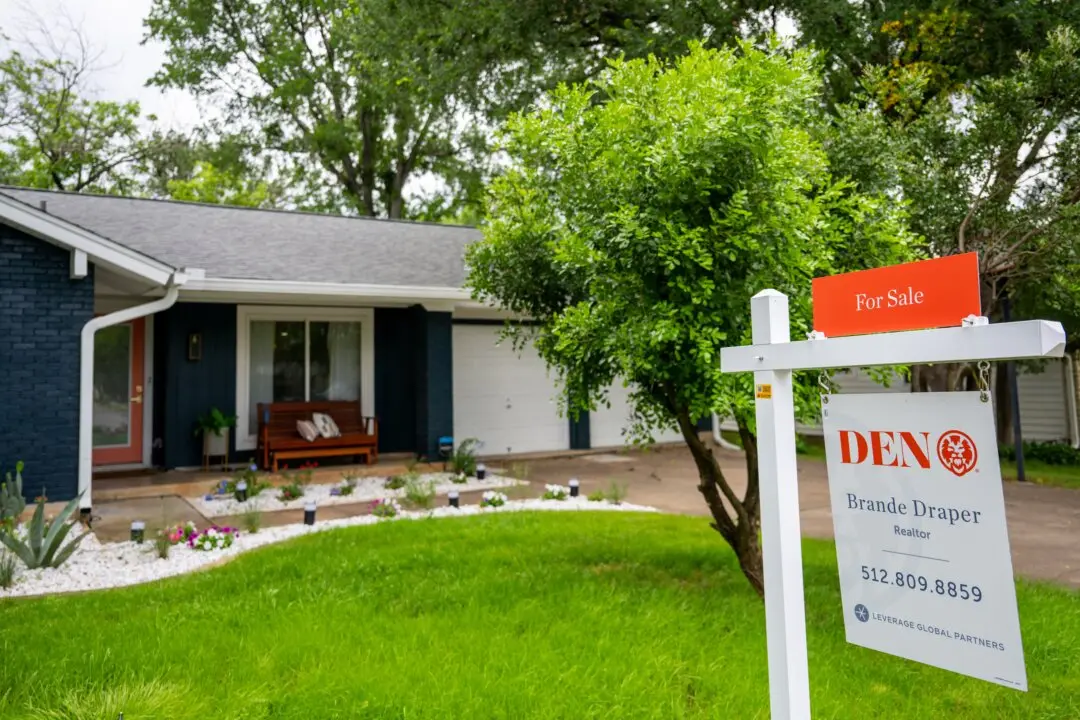
“Another 30 percent say they’ll sell their home at some point, but not within the next decade,” the report stated. As for older people, the survey revealed that they are even less likely to sell than baby boomers. Nearly 45 percent of the Silent Generation do not plan to sell their residential properties.
The Redfin report, based on a survey of roughly 4,000 U.S. residents, said younger homeowners are less likely to rule out selling. According to the report, 25 percent of Gen Xers and 21 percent of millennials/Gen Zers said they would not sell.
The main reasons for not selling are that homeowners like their current homes, and that they don’t wish to move. Also, new homes have higher prices, and buyers would face elevated mortgage rates.
According to Redfin, home prices have gone up by roughly 40 percent since before the COVID-19 pandemic, and mortgage rates are near 7 percent.


“Nearly one-third (31 percent) of baby boomers who own their home say they couldn’t afford a home like theirs in their neighborhood today,” the report stated.
Regarding purchasing a new home, about one in four millennial and Gen Z renters say they cannot afford a home in an area where they want to live.
For the younger people, the other reasons, according to the survey, are being financially unprepared for the surprise costs of owning a home, high mortgages, and the inability to fund a down payment.
“While inventory is improving, supply is tight for young house hunters looking for family homes, especially in suburban areas where homes priced like starter homes—yet large enough for families—are scarce,” Redfin chief economist Daryl Fairweather said.
Tackling the Affordability Crisis
Home developers have urged lawmakers to take action to tackle the housing affordability crisis.“The best way to ease the nation’s housing affordability crisis and boost housing production is to break down the barriers that are impeding new home and apartment construction,” NAHB chairman Buddy Hughes said.
Specifically, the NAHB asked Congress to pass legislation preventing the Department of Agriculture and the Department of Housing and Urban Development from mandating a minimum energy standard for housing, arguing that these measures raise housing costs and price out buyers.
The group also urged lawmakers to consider tax legislation benefiting the construction sector, such as permanently extending the pro-housing and pro-business policies from the Tax Cuts and Jobs Act of 2017, according to the statement.
As for the pressure created by high mortgage rates on prospective buyers, things could improve this year.
“Lower rates could bring more buyers out this fall. But it is becoming more of a possibility that weakening consumer confidence and labor market concerns may cast a long shadow into the fall housing market,” she wrote.
Turner proposed building more opportunity zones that “allow our private sector to innovate and cut down costly red tape.”