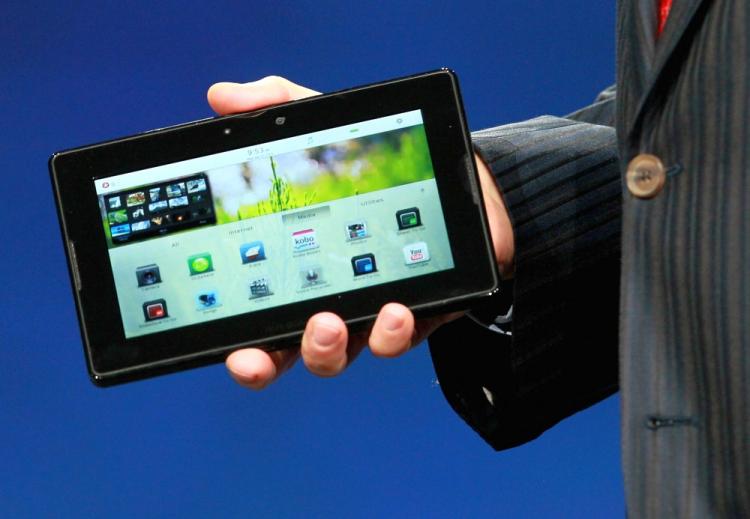
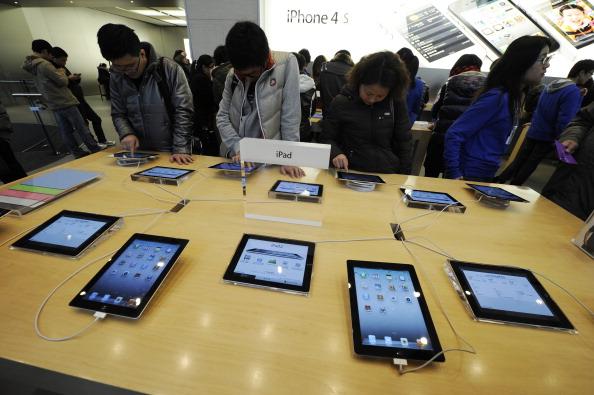
In an attempt to outshine Apple Inc.’s iPad, Blackberry maker Research in Motion Ltd. (RIM) unveiled its own tablet computer on Monday, incorporating features for social networking, media publishing, and corporate e-mail.
The price for the BlackBerry PlayBook has not been announced yet, but it operates via connecting to a nearby BlackBerry smartphone, has BlackBerry software running in the background, and is Wi-Fi enabled. Although BlackBerrys once had a dominating market share in the smartphone market, in recent years it has been trumped by flashier hardware from Apple, particularly with the entrance of Apple’s iPhone and its applications and screen size.
“RIM needs a tablet device because it’s necessary for all the device makers to have a multiplatform strategy to compete in the long term,” said Scott Sutherland, an analyst at Wedbush Securities Inc. in Los Angeles, according to a Bloomberg report. “With new devices coming out on multiple operating systems, it’s as much defensive for RIM to have a tablet as it is offensive.”
BlackBerry’s obvious attempt to gain more market share in the U.S. market with the new device—with a 7-inch screen—differentiates itself from the iPad in terms of its size and attempts to be place itself between a smartphone and laptop.
The smaller screen allows a little more portability than an iPad, which has a 10-inch screen, making it easier to carry.
The price for the BlackBerry PlayBook has not been announced yet, but it operates via connecting to a nearby BlackBerry smartphone, has BlackBerry software running in the background, and is Wi-Fi enabled. Although BlackBerrys once had a dominating market share in the smartphone market, in recent years it has been trumped by flashier hardware from Apple, particularly with the entrance of Apple’s iPhone and its applications and screen size.
“RIM needs a tablet device because it’s necessary for all the device makers to have a multiplatform strategy to compete in the long term,” said Scott Sutherland, an analyst at Wedbush Securities Inc. in Los Angeles, according to a Bloomberg report. “With new devices coming out on multiple operating systems, it’s as much defensive for RIM to have a tablet as it is offensive.”
BlackBerry’s obvious attempt to gain more market share in the U.S. market with the new device—with a 7-inch screen—differentiates itself from the iPad in terms of its size and attempts to be place itself between a smartphone and laptop.
The smaller screen allows a little more portability than an iPad, which has a 10-inch screen, making it easier to carry.