

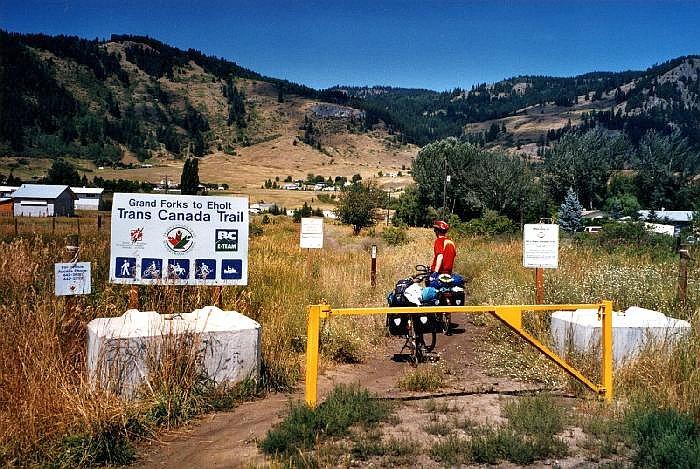
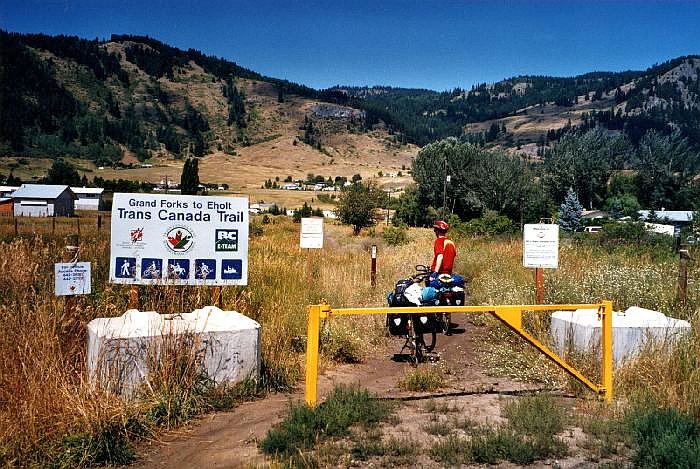
The idea for a trail that runs across the country from coast to coast to coast was hatched in 1992 as a unique way to celebrate Canada’s 125th year since Confederation.
Twenty years later, the Trans Canada Trail is 73 percent completed, thanks to the hard work and dedication of thousands of Canadians—many of them volunteers.
When completed, it will stretch 22,500 kilometres from the Atlantic to the Pacific to the Arctic Oceans, through every province and territory, making it the world’s longest network of trails.
This year marks the twentieth anniversary of the beginning of the ambitious project, which is made up of close to 400 individual trails, all with their own unique features.
The goal is to connect the trail as a continuous route by 2017, Canada’s 150th anniversary. That means 6,500 kilometres have yet to be built—much of it in unpopulated areas with difficult terrain.
But it’s a challenge Trans Canada Trail president and CEO Deborah Apps says can be met, given the gusto with which the project has been embraced so far.
“This is the largest volunteer initiative in Canada’s history, because there have been so many people on the ground working in support of this project over the last 20 years,” says Apps.
“We’re challenged with some pretty tough terrain right now and that will be our challenge for the next five years, but we have great volunteers and we are really seeing a lot of very positive community support.”
Apps says she envisions the trail being used to connect families and communities, and enrich the lives and wellbeing of all Canadians. From cross-country skiing in the winter to horseback riding in the summer, the trail can be used in an endless variety of ways.
“It’s all about health and well-being—the physical and spiritual,” she says.
“Eighty percent of Canadians live within 30 minutes of the trail, so if you think about it that way … it’s absolutely very positive for communities.”
From Horseback Riding to Snowshoeing


