This copy is for your personal, non-commercial use only. Distribution and use of this material are governed by our Subscriber Agreement and by copyright law. For non-personal use or to order multiple copies, please contact The Epoch Times Reprints.
While the headlines kept everyone focused on inflation, elections, tariffs, and interest rates, something far more significant was happening in the background. Since January 2025, more than 1,600 bank branches have quietly disappeared across the United States. At nearly the same time, federal regulators failed to finalize the implementing regulations expected under the GENIUS Act by the July 18, 2026, statutory deadline. Most people would assume these are unrelated events. They’re not. Together, they reveal a financial system undergoing one of the most significant transformations in modern history while the public remains largely unaware.
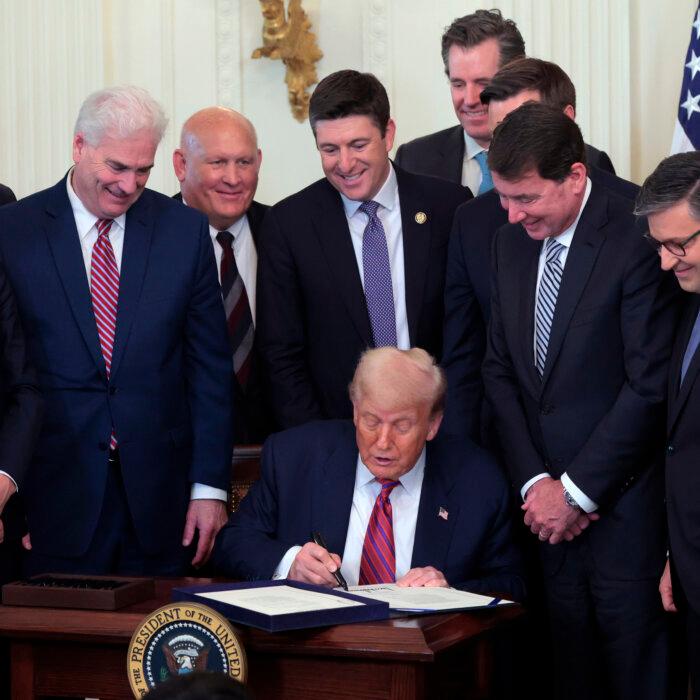
When President Donald Trump signed the GENIUS Act into law in July 2025, supporters hailed it as a landmark framework designed to bring legal clarity to payment stablecoins while encouraging innovation and protecting consumers. But passing a law is only the beginning. The regulations that follow determine how that law actually works. Those rules will govern how stablecoin issuers maintain reserves, verify customer identities, comply with anti-money laundering requirements, and operate inside America’s financial system.
Yet when the implementation deadline arrived one year later, the final rulebook was still unfinished.
Draft regulations had been proposed. Public comments had been submitted. Banks, legal experts, and industry groups had all weighed in. But the Treasury Department, Federal Reserve, FDIC, and Office of the Comptroller of the Currency (OCC) had not completed the framework many expected.
While Washington debated the rules, the financial system kept moving forward without waiting.
According to federal banking records, more than 1,600 physical bank branches have closed since January 2025. These weren’t failed banks. They were neighborhood branches where Americans deposited paychecks, withdrew cash, secured loans, and spoke face-to-face with local bankers. Every closure removes another point of personal access to the traditional banking system while pushing more financial activity toward digital platforms.
That trend becomes much more significant when viewed alongside what’s happening throughout the financial industry.
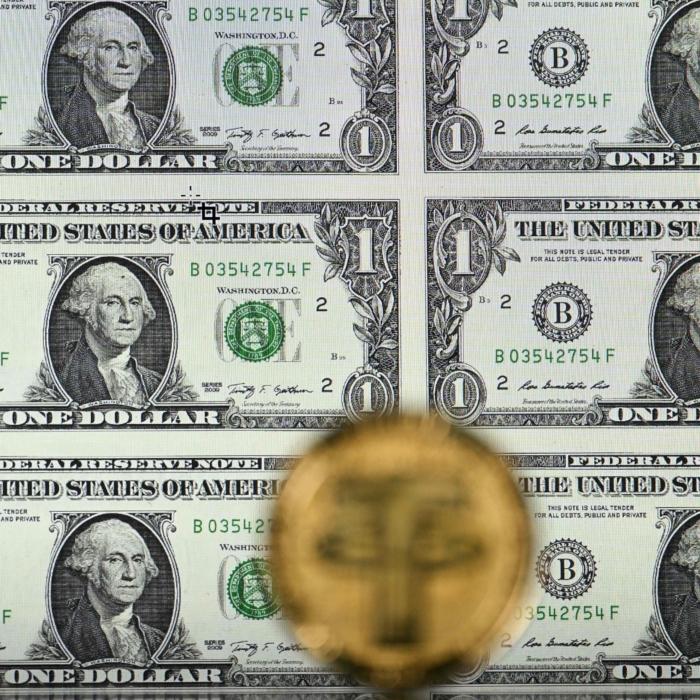
Stablecoins, once considered a niche cryptocurrency product, are quickly becoming part of mainstream finance. Major institutions including Visa, Mastercard, PayPal, BlackRock, Franklin Templeton, and other financial giants are investing heavily in blockchain-based payment systems and tokenized financial products. According to market data fromrwa.xyz, the value of tokenized U.S. Treasury securities has surged from approximately $6.5 billion to nearly $16 billion in just twelve months.
This isn’t a fringe experiment.
It’s evidence that the financial infrastructure itself is changing.
One of the most overlooked warnings came from the International Monetary Fund (IMF). In a July 2026 analysis, IMF researchers concluded that tokenization could fundamentally change where systemic financial risk exists. For decades, regulators focused primarily on banks because that’s where risk accumulated. Tokenized finance changes that equation. Increasingly, financial transactions are executed through automated software known as smart contracts—computer code capable of carrying out financial agreements without human intervention. As these systems become larger and more interconnected, the IMF warned that effective oversight may eventually need to extend beyond banks and into the software itself.
In fact, IMF researchers suggested that some smart contracts could eventually become “too important to fail.”
That phrase should sound familiar.
Following the 2008 financial crisis, Americans were repeatedly told certain financial institutions had become “too big to fail.” Today, one of the world’s leading financial organizations is warning that portions of tomorrow’s financial system could become too important to fail because they exist inside computer code rather than inside bank buildings. Whether you view that as innovation or a new source of systemic risk, it represents a profound shift in the way money moves through the economy.
So why is the regulatory framework still unfinished?
Federal regulators had a full year to finalize the rules implementing the GENIUS Act, yet the deadline came and went without a completed framework. That naturally raises an important question: What’s holding everything up?
Part of the answer may lie in what’s at stake.
Bloomberg recently reported that earlier versions of the GENIUS Act would have imposed stricter requirements on certain foreign stablecoin issuers seeking access to U.S. financial markets. During negotiations, those provisions changed as lawmakers, regulators, and industry participants debated how the final framework should look. Bloomberg also reported on lobbying efforts surrounding the legislation, while noting that the Commerce Department said Commerce Secretary Howard Lutnick complied with his ethics agreement and was not involved in the stablecoin provisions, and that Tether said its advocacy was transparent and appropriate.
Whether those competing interests are contributing to the regulatory delay is impossible to say with certainty. But one thing is clear: powerful financial interests—both domestic and international—have enormous incentives to shape the rules governing America’s next-generation payment system.
While Washington continues working through those issues, one deadline now matters more than any other.
On Aug. 21, 2026, the public comment period closes on an interagency proposal involving Customer Identification Program requirements for portions of the emerging stablecoin ecosystem. The proposal involves the Treasury Department, Federal Reserve, FDIC, and OCC and will help determine how identity verification requirements are applied within parts of the next generation of digital payments.
To be clear, the proposal does not automatically require every American to obtain a new digital identity.
But it does represent one of the last opportunities for citizens, financial institutions, legal experts, and trade organizations to submit comments before regulators finalize one of the most important pieces of tomorrow’s financial system.
In other words, while the final rulebook is still being written, the public’s opportunity to influence it is rapidly disappearing.
Most Americans never participate in this process because they never even hear about it.
After spending months reviewing hundreds of pages of federal notices, regulatory proposals, banking analyses, and legal memoranda, I’ve become convinced that these developments deserve far more public scrutiny than they’ve received. Whether you ultimately support these changes or oppose them isn’t the point. The point is that they’re happening now, they’re moving faster than most people realize, and they’ll shape the future of banking, payments, and financial privacy for years to come.
That’s why I’ve decided to make my research available to readers.
I’d like to send you complimentary copies of my reports, Digital Dollar Exposed and The Financial Lockdown. Together, they explain the remaining regulatory timeline, summarize the proposals still under consideration, document the rapidly changing banking landscape, and include a customizable public comment letter you can use as a starting point if you choose to submit comments before the Aug. 21 deadline.
History rarely remembers the months when regulations are quietly written.
It remembers the world they create afterward.
More than 1,600 bank branches have disappeared. Stablecoins and tokenized finance are expanding at remarkable speed. The rules governing the GENIUS Act are still being finalized. These are not isolated events—they are all part of the same financial transformation.
The question is no longer whether America’s financial system is changing.
The question is whether you’ll understand what’s coming before the final rules are locked into place.
Compliance Disclosure
The content above is for informational purposes only and is not a recommendation to buy, sell, or hold any asset. All financial decisions involve risk and should be made in consultation with licensed professionals who understand your individual circumstances. Precious metals markets are subject to price volatility and liquidity risk. Program eligibility and terms may vary.
Third-party advertisements and links to other sites where goods or services are advertised aren’t endorsements or recommendations by The Epoch Times of the third-party sites, goods, or services. The Epoch Times takes no responsibility for the content of the ads, promises made, or the quality/ reliability of the products or services offered in all advertisements.