Monday, Sept. 5, 2011
THEN
On Sept. 5, 1932, the French government dissolves the West African colony known as Upper Volta (now Burkina Faso) and partitions it among its other West African colonies of Niger, the French Sudan (now Mali) and Côte d'Ivoire (the Ivory Coast). Upper Volta becomes a French colony in 1919 and the French government administers its rule through the traditional political system of the Mossi people—a political system that is superficially kept intact with the moro naba of Ouagadougou regarded by the French as the emperor of the Mossi. 15 years after the initial dissolution, the French restore Upper Volta as a territorial unit within the French West African colonies. On Aug. 5, 1960, the territory known as Upper Volta gains independence and eventually becomes Burkina Faso. In 1984, Thomas Sankara—a Marxist-Leninist flight commander that takes control of the country in 1983—changed the name Upper Volta to Burkina Faso, meaning “land of upright men.” During his rule, Sankara aligned the country with communist regimes and dictatorships such as Cuba, North Korea and Libya.
NOW
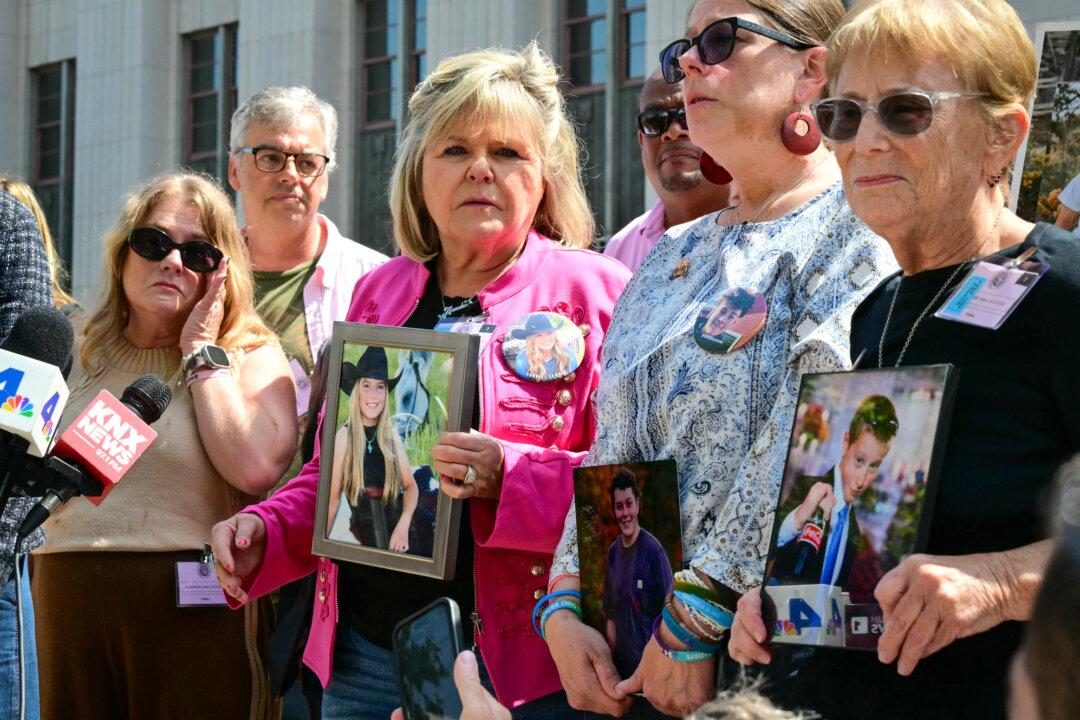
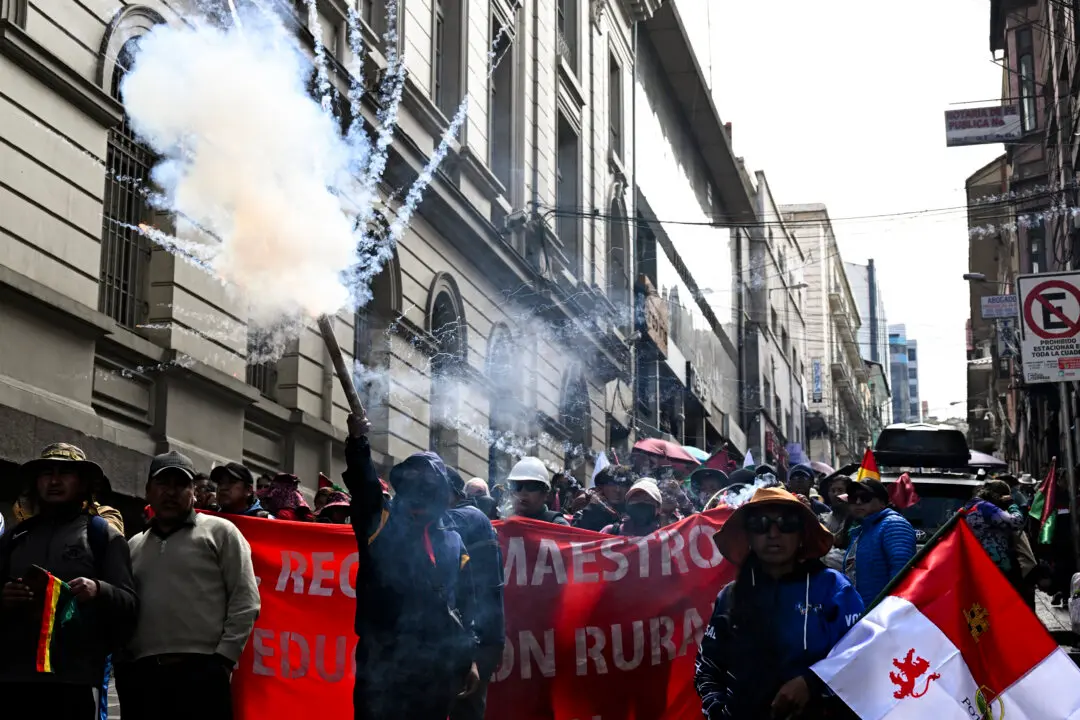
Late last month, a relatively unreported unrest in Burkina Faso gained international attention when the trial began for three policemen facing charges related to the death of a student held in police custody. The courtroom was filled with hundreds of students seeking justice following the death of Justin Zongo. In February, Zongo’s death sparked an uprising across the impoverished country that included not only students, but also gave rise to a military mutiny that threatened the 24-year rule of President Blaise Compaore. According to experts, hostilities had been brewing in Burkina Faso for a while now. The police officers were found guilty of assault—with two of the three policemen sentenced to 10 years in prison and the third sentenced to 8 years. The Burkina Faso government initially sited Zongo’s cause of death as meningitis.