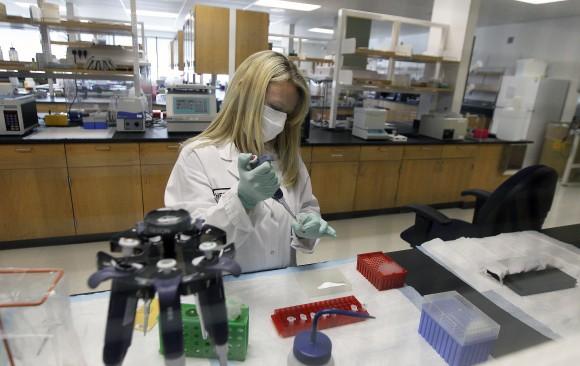
LOS ANGELES—Dozens of police departments around the U.S. are amassing their own DNA databases to track criminals, a move critics say is a way around regulations governing state and national databases that restrict who can provide genetic samples and how long that information is held.
The local agencies create the rules for their databases, in some cases allowing samples to be taken from children or from people never arrested for a crime. Police chiefs say having their own collections helps them solve cases faster because they can avoid the backlogs that plague state and federal repositories.
Frederick Harran, the public safety director in Bensalem Township, Pennsylvania, was an early adopter of a local database. Since it was created in 2010, he said robberies and burglaries have gone down due to arrests made because of the DNA collection.
Harran said the Pennsylvania state lab takes up to 18 months to process DNA taken from a burglary scene but with the local database authorities go through a private lab and get results within a month. He said he uses money from assets seized from criminals to pay for the private lab work.
“If they are burglarizing and we don’t get them identified in 18 to 24 months, they have two years to keep committing crimes,” he said.