


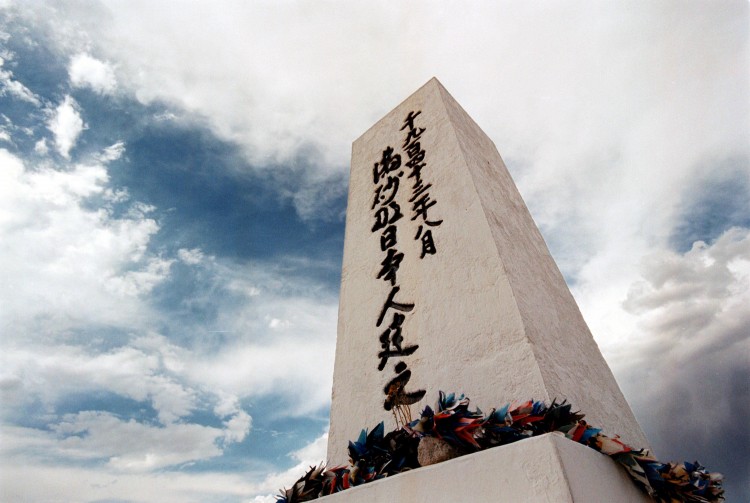
VICTORIA, Canada—It wasn’t long after the Japanese bombed Pearl Harbor on Dec. 7, 1941—70 years ago next month—that Japanese-Canadians were stripped of their rights and relocated to internment camps for the duration of the second world war.
Now, the University of British Columbia in Vancouver is awarding special degrees to 76 past students whose studies were cut short by Canada’s internment policy, and also recognizing others who were affected.
“The university has taken seriously the need to find meaningful ways to provide solemn recognition of historical events,” says Sally Thorne, a professor of nursing and the chair of the UBC Senate Tributes Committee.
“To acknowledge the 70th anniversary of the provincial internment policy in the spring of 2012, we want to pay tribute to UBC students and others impacted during this time, and also take steps to help future students learn from the past.”
As well as honoring the 76 students, the working group voted to develop initiatives to educate future UBC students about the issue, and to have the UBC library preserve and exhibit the part of its collection related to this dark period in Canada’s history.
The Senate committee’s working group has been reviewing the issue since last fall, consulting with faculty members as well as the Lower Mainland Japanese community.
“We have heard from members of the Japanese-Canadian communities through letters and discussions,” says Thorne. “The university is deeply grateful for the feedback we have received.”
Climate of Fear
In 1941 around 23,000 people of Japanese descent lived in Canada, mostly in British Columbia. They worked and owned businesses in the farming and fishing industries, and a large percentage were native-born citizens who came from families that had lived in Canada for generations.
But after the bombing of Pearl Harbor, due to fears of espionage along the west coast—which proved to be unfounded—the federal government enacted a policy that would see more than 20,000 Japanese-Canadians evacuated to internment camps in the interior of British Columbia.


