KYIV, Ukraine—Ukraine’s highly politicized murder case, with an ex-president being charged in connection with the murder of an activist journalist 10 years ago, is leading many to question what’s really behind the charges being laid by the current administration.
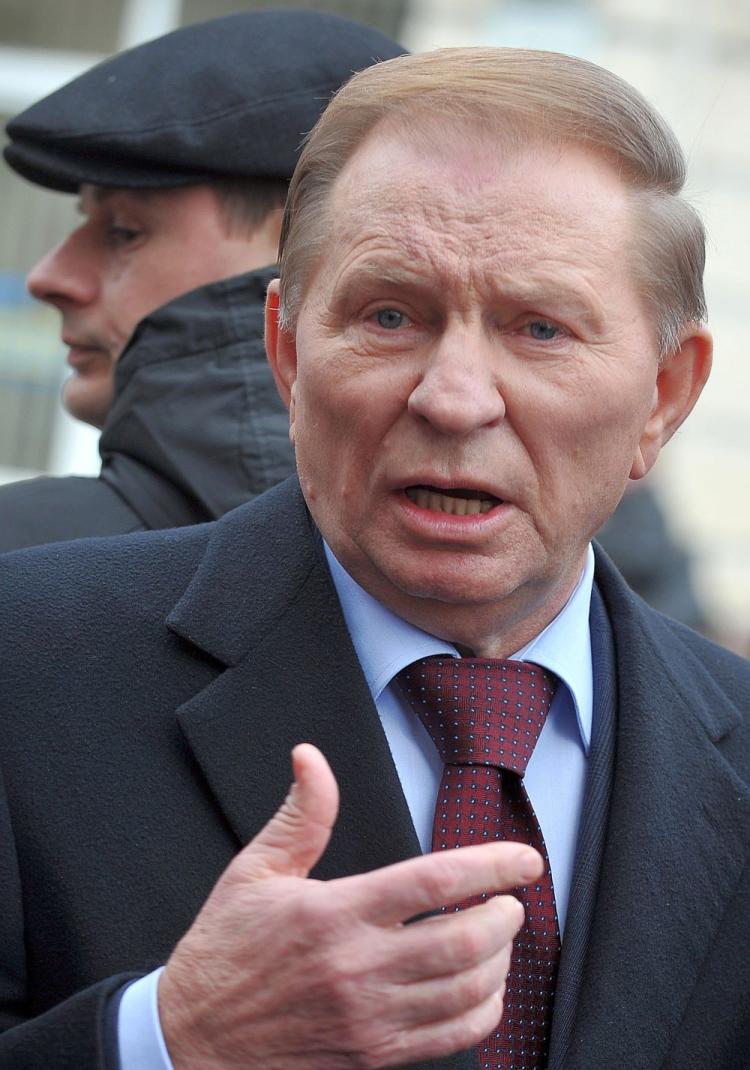
Former Ukrainian President Leonid Kuchma is being accused by prosecutors of abusing his office’s authority by masterminding the 2000 high-profile murder of journalist Gyorgy Gongadze.
The news of Kuchma’s charges came as a surprise to many analysts who believed that the case would not be investigated under Ukrainian President Victor Yanukovich’s rule, according to Democratic Initiatives Foundation (DIF), as prosecutors face a 10-year statue of limitations on the murder case, which expired last autumn.
Experts say that the case may have been moved forward by Yanukovich as payback for Kuchma not using force to disperse protesters during the 2004 presidential elections, and for Kuchma’s refusal to hand over the presidency to Yanukovich, as the rightful election winner.
Official results showed that Yanukovich won the elections, but was accused of manipulating poll figures, causing thousands to take to the streets. His rival, Victor Yushchenko, was declared the winner of the elections and took office.
“Yanukovich and his team consider Kuchma guilty because they see that the [election] victory was ‘taken away’ from him,” says Aleksey Garan, a scientific director of Kyiv-based School of Political Analysis.
Prosecutors allege that Kuchma gave illegal orders to his subordinates that led to Gongadze’s death and that Kuchma directly benefited by silencing the popular journalist, who sharply criticized his former government.
The prosecutor’s evidence is based on recordings taped by his bodyguard, Mykola Melnychenko, at Kuchma’s office, in which a voice that sounded like Kuchma’s is heard complaining about the journalist and suggesting subordinates “deal” with the problem.
The voices of current Parliamentary Speaker Volodymyr Lytvyn and other politicians could also be heard. Prosecutors say the tapes are authentic.
Gongadze was critical of Kuchma’s authoritarian rule at that time, bringing to light a government rife with corruption. He disappeared on Sep. 16, 2000, and soon after, his headless body was found in a suburb in Ukraine’s capital, Kyiv.
Yanukovich is being accused by analysts of using the case against Kuchma to show the West that his government is following the democratic rule of law in Ukraine.
Many leading experts say that the highly politicized case is being used to divert public attention away from critical social issues, such as the growing demonstrations over the new tax code, which poses high taxes on small and middle-sized business, leading to numerous business closures.
Vladimir Fesenko, head of Penta Center for Political Research, said the charges and investigation into Kuchma’s involvement needs to be broadened, and should include other political figures that may have also benefited from Gongadze’s death.
Foreign intelligence services have confirmed the evidence presented by Kuchma’s bodyguard, which suggests Lytvyn’s involvement in the journalist’s murder and the suspicious death in 2005 of former Interior Minister Yuriy Kravchenko, who was named last autumn as the one who ordered the murder.
DIF’s analysis shows that most experts believe that Kuchma will not be arrested and sentenced, while others point out that the case will take a long time to conclude, or that the charges will be ultimately dismissed.
“Experts as well as most people absolutely do not trust the government and the national judicial system,” says Fesenko.
Former Ukrainian President Leonid Kuchma is being accused by prosecutors of abusing his office’s authority by masterminding the 2000 high-profile murder of journalist Gyorgy Gongadze.
The news of Kuchma’s charges came as a surprise to many analysts who believed that the case would not be investigated under Ukrainian President Victor Yanukovich’s rule, according to Democratic Initiatives Foundation (DIF), as prosecutors face a 10-year statue of limitations on the murder case, which expired last autumn.
Experts say that the case may have been moved forward by Yanukovich as payback for Kuchma not using force to disperse protesters during the 2004 presidential elections, and for Kuchma’s refusal to hand over the presidency to Yanukovich, as the rightful election winner.
Official results showed that Yanukovich won the elections, but was accused of manipulating poll figures, causing thousands to take to the streets. His rival, Victor Yushchenko, was declared the winner of the elections and took office.
“Yanukovich and his team consider Kuchma guilty because they see that the [election] victory was ‘taken away’ from him,” says Aleksey Garan, a scientific director of Kyiv-based School of Political Analysis.
Prosecutors allege that Kuchma gave illegal orders to his subordinates that led to Gongadze’s death and that Kuchma directly benefited by silencing the popular journalist, who sharply criticized his former government.
The prosecutor’s evidence is based on recordings taped by his bodyguard, Mykola Melnychenko, at Kuchma’s office, in which a voice that sounded like Kuchma’s is heard complaining about the journalist and suggesting subordinates “deal” with the problem.
The voices of current Parliamentary Speaker Volodymyr Lytvyn and other politicians could also be heard. Prosecutors say the tapes are authentic.
Gongadze was critical of Kuchma’s authoritarian rule at that time, bringing to light a government rife with corruption. He disappeared on Sep. 16, 2000, and soon after, his headless body was found in a suburb in Ukraine’s capital, Kyiv.
Yanukovich is being accused by analysts of using the case against Kuchma to show the West that his government is following the democratic rule of law in Ukraine.
Many leading experts say that the highly politicized case is being used to divert public attention away from critical social issues, such as the growing demonstrations over the new tax code, which poses high taxes on small and middle-sized business, leading to numerous business closures.
Vladimir Fesenko, head of Penta Center for Political Research, said the charges and investigation into Kuchma’s involvement needs to be broadened, and should include other political figures that may have also benefited from Gongadze’s death.
Foreign intelligence services have confirmed the evidence presented by Kuchma’s bodyguard, which suggests Lytvyn’s involvement in the journalist’s murder and the suspicious death in 2005 of former Interior Minister Yuriy Kravchenko, who was named last autumn as the one who ordered the murder.
DIF’s analysis shows that most experts believe that Kuchma will not be arrested and sentenced, while others point out that the case will take a long time to conclude, or that the charges will be ultimately dismissed.
“Experts as well as most people absolutely do not trust the government and the national judicial system,” says Fesenko.