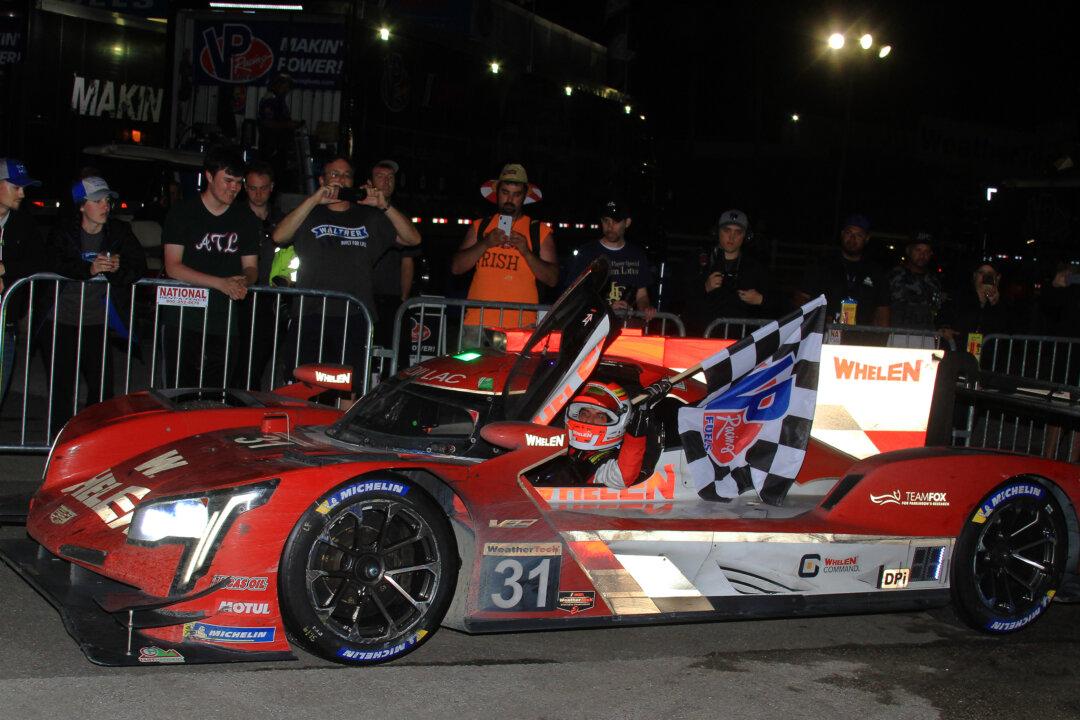
The Tudor United Sports Car Championship will be running the 63rd Twelve Hours of Sebring this weekend—the second race of its second season, the oldest and arguably the most iconic on its schedule. What can it offer this year, having learned from last season?
Based on the success of the 2015 24 Hours of Daytona, it seems safe to assume the race will offer quite a lot.
Now in its second season, the Tudor Championship has worked through many of the teething problems its first season presented. Based on the 2015 season-opening Rolex 24 at Daytona, issues of class balance and officiating have (hopefully) been relegated to the past; the 2015 Rolex 24 was a solid endurance race, with the teams which made the fewest errors and made the quickest recoveries coming out on top—exactly how endurance racing is supposed to work.
Add to that a solid grid and the prediction of perfect weather, and the 2015 Twelve Hours of Sebring could be the race fans hoped for in 2014.
Plenty of Errors to Learn From
The Tudor United SportsCar Championship, a combination of the failed American Le Mans Series and Rolex Sports Car Series, did not have a particularly auspicious debut in 2014. Its first race, the Rolex 24, was a decent if uninspiring race until a questionable late-race caution and a hasty penalty, rescinded several hours later, marred the finish
The Tudor Series’ first attempt at the Sebring 12 Hours did not run smoothly at all. To start with, Ben Keating’s Riley Motorsports Viper caught fire early in the race, and burned to a crisp while fire marshals waited for word from the booth to go on track—a sensible safety precaution, but to spectators the delay in reacting seemed unusually long. This exacerbated a debate among teams and fans started when Tudor scrapped the old policy of having a dedicated traveling safety team.