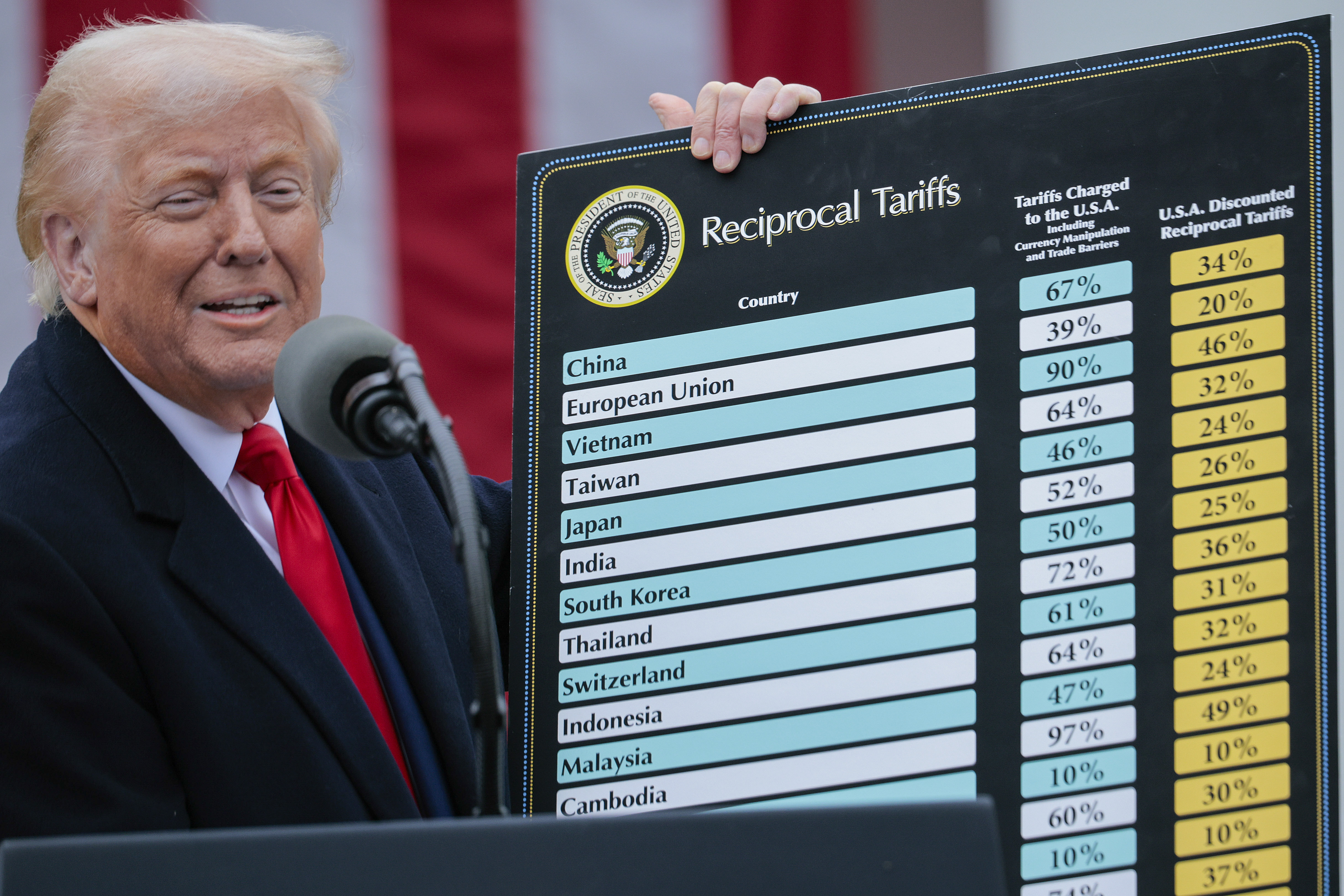

The White House proposed last month a new round of tariffs after an investigation concluded that dozens of U.S. trading partners had failed to curb the use of forced labor in their supply chains.
Administration officials say the latest tariff action “is the most sweeping international labor rights action the United States has ever taken, that any country has ever taken.”
This comes as the president installed a 25 percent tariff on U.S. imports from Brazil and threatened a 50 percent tariff on nearly $20 billion in Canadian goods.
Here is what to know about the new tariffs.
Tariff Basics
The new tariff regime will replace the president’s temporary 10 percent global tariff, introduced after the Supreme Court struck down Trump’s emergency levies in February.
Those stopgap duties were set to lapse just as the new measures came into force.
The tariff rate on imports is set between 10 percent and 12.5 percent, covering more than 99 percent of U.S. trade, according to a fact sheet from the Trade Representative’s Office.
But the new import taxes include various exemptions for goods in transit and products subject to other trade agreements and tariff authorities.
A formal Federal Register notice includes a long list of exemptions for goods the United States cannot produce or items that might lead to volatility in the broader economy, including coffee, natural gas, and oil.
Markets such as the European Union, Indonesia, and Mexico will receive the lower rate. Economies including Australia, China, and the United Arab Emirates will be given the higher rate.
Section 301
These duties will be implemented under Section 301 of the Trade Act of 1974.
This measure authorizes the U.S. Trade Representative to investigate and respond to unfair trade practices by foreign countries.
The trade ambassador is also permitted to introduce retaliatory measures, particularly tariffs, to induce behavioral change.
The latest round of levies stemmed from a months-long probe conducted by the U.S. Trade Representative’s Office.
Officials found that failing to ban and properly enforce a prohibition on the importation of goods made with forced labor is unreasonable and places a burden on U.S. commerce.
“We commit to continuing to use tariffs and to negotiate deals to support the reindustrialization of our economy, protect American workers, and increase their wages and shrink our trade deficit,” U.S. Trade Representative Jamieson Greer said during a July 22 Senate Finance Committee hearing.
“Our policy remains the same. The specific authorities this administration is using have changed, but the trade strategy has not.”
Pushback
Swiss business association Economiesuisse said in a statement on July 24 that the latest round of tariffs is based on “unfounded” allegations.
“There is no evidence that Swiss supply chains are being used to smuggle goods produced through forced labour into the U.S. market,” the group stated.
“Forced labor is already prohibited in Switzerland under constitutional, civil and criminal law.”
Switzerland will contend with a 12.5 percent tariff rate.
Canada, which was slapped with a 10 percent tariff rate, says it maintains high standards that address forced labor.
“Canada has one of the world’s most robust frameworks to prevent and address forced labor and shares the United States’ objective of ensuring goods produced with forced labor do not enter our supply chains,” Dominic LeBlanc, the Minister for Canada–U.S. Trade, said in a statement.
Ottawa will continue to engage with the United States on this issue over the coming week, LeBlanc added.
“We will continue engaging constructively with the United States on this matter, as well as other outstanding issues, over the coming weeks to the mutual benefit of our citizens,” he said.
New Zealand Prime Minister Christopher Luxon called the tariffs “extremely disappointing.”
“The U.S. investigation did not provide meaningful evidence to support claims in relation to forced labor. Tariffs are not the way—they drive up costs and uncertainty for businesses,” he said on X.
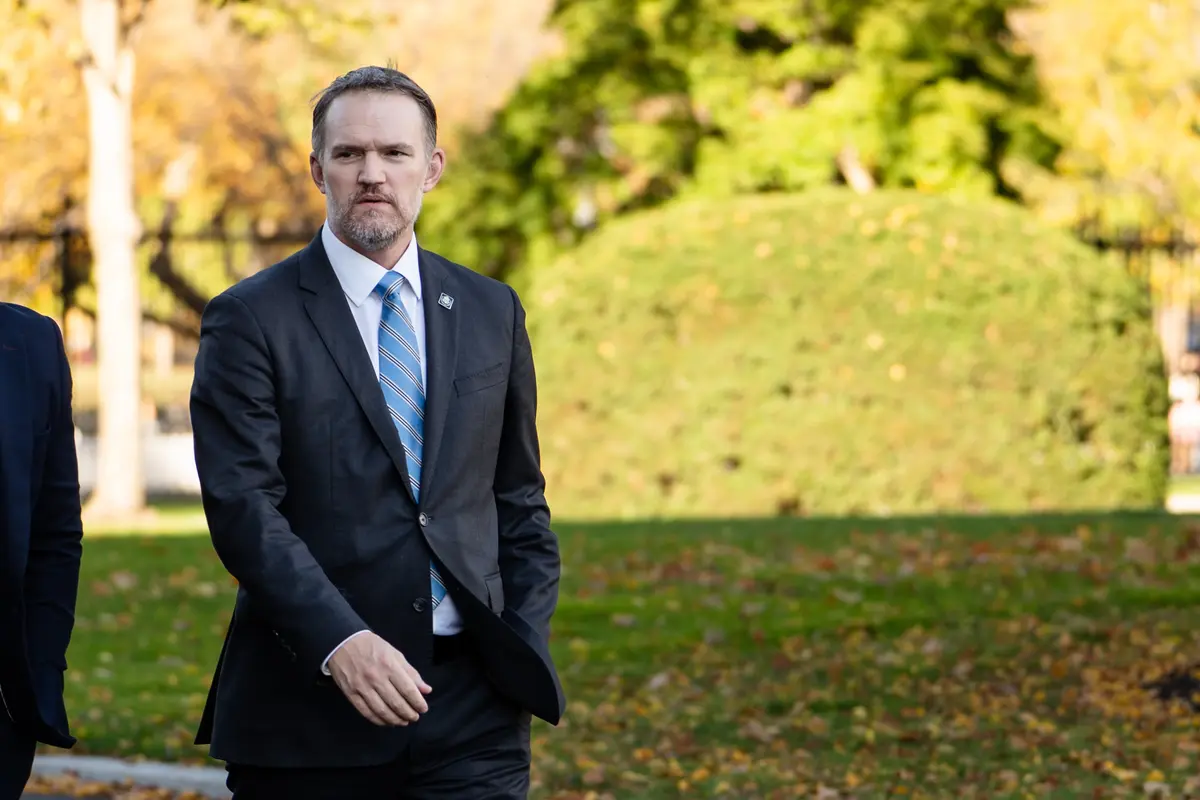
Washington introduced a 12.5 percent rate on imports from New Zealand, excluding beef and kiwifruit.
The Brazilian government echoed the sentiments of its counterparts, labeling the latest import taxes as “completely arbitrary and unjustified.”
Law and Economics
The latest tariff developments will likely be at the forefront for global financial markets, says Carsten Brzeski, global head of macro at ING. But the past 12 months indicate the headlines are “more disruptive than the reality,” he said
“The world has also adjusted to at least some degree of higher trade barriers,” Brzeski said in a note. “As a result, while a fresh round of tariff threats may disrupt the summer lull, it’s unlikely to have the same disruptive power as it did last year.”
While U.S. stocks cratered during the July 23 trading session, they reacted more to the spike in crude oil prices than the tariff announcement.
Trade actions by the administration are unlikely to address forced labor, according to Alan Wolff, senior fellow at the Peterson Institute for International Economics.
Because the global economy has already acclimated to a world of higher tariffs, “there is no evidence that changing the U.S. rationale for them will materially reduce forced labor in other countries,” Wolff said.
The next hurdle for the administration will be a court challenge, he added.
“The Supreme Court is not likely to allow this expansion of the president’s retaliatory authority under Section 301 to substitute for the Congress’ role in setting tariffs generally,” Wolff wrote.