Torontonians Remember the Ukrainian Famine of 1930s

Canadian-Ukrainians highlight the importance of commemorating the Ukrainian famine of 1932-33.
Torontonians Remember the Ukrainian Famine of 1930s
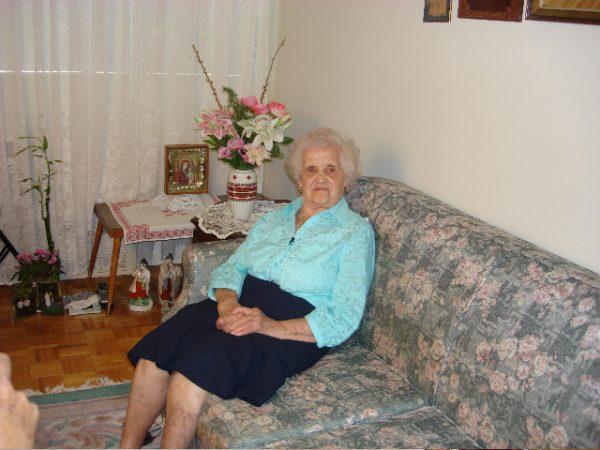
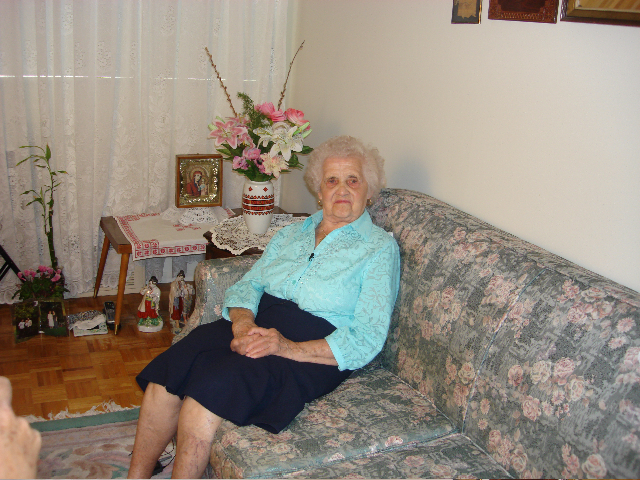
Tatiana Menko, Valentina Kuryliw’s grandmother, in Ichnya, in the region of Chernihiv, with her cousin standing on a stool in the 1950s. Kuryliw's grandmother worked on a collective farm all her working life to keep the family alive during the Ukrainian famine, 1932-33. Courtesy of Valentina Kuryliw
|Updated:
<a href="https://www.theepochtimes.com/assets/uploads/2015/07/Nadia+89.jpg"><img class="size-medium wp-image-319056" title="Nadia+89" src="https://www.theepochtimes.com/assets/uploads/2015/07/Nadia+89-600x450.jpg" alt="" width="350" height="262"/></a>

TORONTO—Sometimes a tragedy is so deep it defines a generation, a hardship that marks a milestone in the existence of a people. Sometimes it’s almost forgotten and then someone calls out for the memory, demanding condolences be paid.

For Ukrainian Canadians, the Holodomor is that kind of event.

Valentina Kuryliw’s parents were among the lucky ones that survived. They led an ordinary life under extraordinary circumstances in eastern Ukraine during the 1930s.

Kuryliw’s mother, Nadia Menko-Mychajlowska, was born in Chernihiv, 120 km north east of Ukraine’s capital Kiev. Her father was from Kiev. When Soviet Union leader Joseph Stalin took over the land that’s presently known as eastern and central Ukraine, the aim was to wipe out Ukrainians using food, or rather starvation, as the weapon.

“Everything was taken away,” said Kuryliw.

Kristina Skorbach
Kristina Skorbach
Author
Kristina Skorbach is a Canadian correspondent based in New York City covering entertainment news.
Related Topics