This text appeared in the ‘Top Story’ email newsletter sent on May 17, 2025.
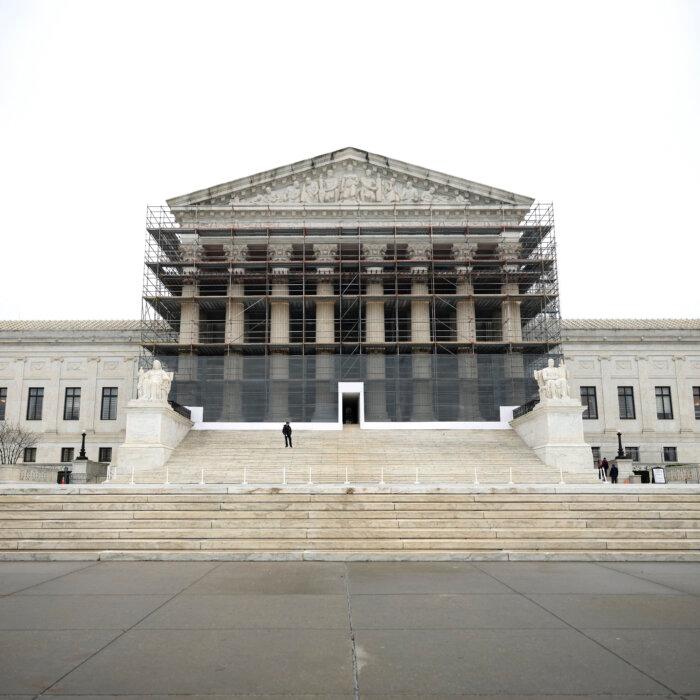
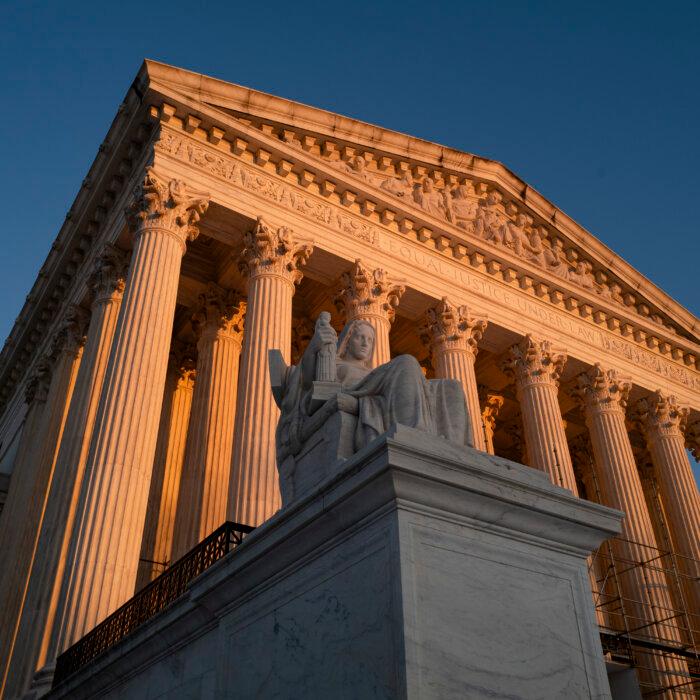
The Supreme Court heard oral argument on May 15 over a key issue that could lead to lower courts having less authority over policies from the president.The hearing centered on three blocks, known as nationwide injunctions, on Trump’s policy restricting birthright citizenship.
Nationwide injunctions have grown in recent years and exploded Trump’s second term, sparking debate about whether federal district judges were going beyond what federal law allowed them to do.
No final ruling is expected on whether Trump’s birthright citizenship order comports with the Constitution. Instead, the justices will likely decide on whether the nationwide injunctions blocked the policy too much.
U.S. Solicitor General D. John Sauer told the court on May 15 that judges were exceeding the authority granted to them under Article III of the Constitution. On the other side, New Jersey Solicitor General Jeremy Feigenbaum defended the blocks on Trump’s policy.
Birthright citizenship comes from the 14th Amendment and refers to the idea that certain people receive U.S. citizenship by virtue of being born in the country. While Trump’s critics have said this guarantee extends to the children of illegal immigrants, Republicans have argued the amendment requires parents to have some kind of allegiance to the country before their children receive citizenship.
The Supreme Court’s eventual decision could include more tentative observations about the policy’s constitutionality, potentially teeing up a more conventional Supreme Court hearing about the 14th Amendment and federal law.
In the meantime, the justices’ thoughts about the constitutionality could help them determine whether a nationwide block was appropriate. For example, if they thought the children of illegal immigrants faced irreparable harm from a denial of a purported constitutional right to citizenship.
Justices Sonia Sotomayor and Elena Kagan seemed to be the most critical of Trump’s order. “As far as I see it, this order violates four Supreme Court precedents,” Sotomayor told Sauer.
By contrast, Sotomayor suggested that “we’ve had universal injunctions in some form ... since the founding.”
A ruling that bars nationwide injunctions could change how judges, attorneys, and politicians approach policies. Some of the justices’ questions indicated they were concerned about what would replace nationwide injunctions.
Justice Brett Kavanaugh suggested that class actions, or lawsuits in which multiple plaintiffs sue on behalf of a larger group of plaintiffs, could take the place of nationwide injunctions. If nationwide injunctions were not available in this case, people could file class actions, which could “solve a large part of the problem in a way that complies with the rules,” the justice said.
Justice Ketanji Brown Jackson said the government’s proposal to curtail nationwide injunctions would make it more difficult for people to sue to vindicate their rights. “Your argument seems to turn our justice system ... into a ‘catch me if you can’ kind of regime ... where everybody has to have a lawyer and file a lawsuit in order for the government to stop violating people’s rights,” she told Sauer.
Sauer disagreed, saying that given the status quo, “the ‘catch me if you can’ problem operates in the opposite direction where we have the government racing from jurisdiction to jurisdiction, having to sort of clear the table in order to implement a new policy.”