In the conviction that art allows greater self-expression, the Truth and Reconciliation Commission on residential schools is accepting art work relating to experiences at the schools, or to the legacy and impact of those experiences.
The commission believes that art can play a “profound” role in expressing both truth and reconciliation.
On its website, the TRC says that “collecting artistic works is an important and meaningful way to express the truth, impact and legacy of the residential school experience, and to assist with reconciliation.”
In addition to depicting their experiences at the schools, artists can submit works relating to apology, truth, cultural oppression, cultural genocide, resistance, resilience, spirituality, remembrance, reconciliation, rejuvenation, and restoration of aboriginal culture and pride.
The art will become part of a permanent record of aboriginal children’s experiences at residential schools.
“Part of our mandate is that we will gather statements from survivors [of the schools] in whatever way seems culturally appropriate for them,” TRC Commissioner Marie Wilson told CBC News. “We just want people to know that art, expression through art, is an acceptable way to do that, and not only acceptable, it’s a welcome way.”
Aboriginal peoples have traditionally used art as a form of expression, she added.
“I think, you know, it would be fair to say, even traditionally among the Inuit, that’s the way that people have used music, through ajaaja songs, and drum songs as well, to capture experiences and feelings and emotions.”
The commission is accepting various types of art, including but not limited to performance, video, visual art, novel, music, photography, sculpture presented through DVDs, photos, print, and audio recordings.
With the artists’ consent, the TRC may use the works in its report, on its website, or as part of its education efforts. The artist will hold rights to the art, including the right to display it elsewhere.
The commission was set up in 2008 as part of a court-approved agreement between survivors of Indian residential schools, the churches that ran them, the federal government, and a number of aboriginal organizations.
The aim is to create a historical record of the schools, encourage reconciliation, assist former students with continued healing, and educate Canadians about the schools and their legacy.
Many children were sexually and physically abused at the schools, in addition to often contracting illnesses from poor sanitation and lack of medical care.
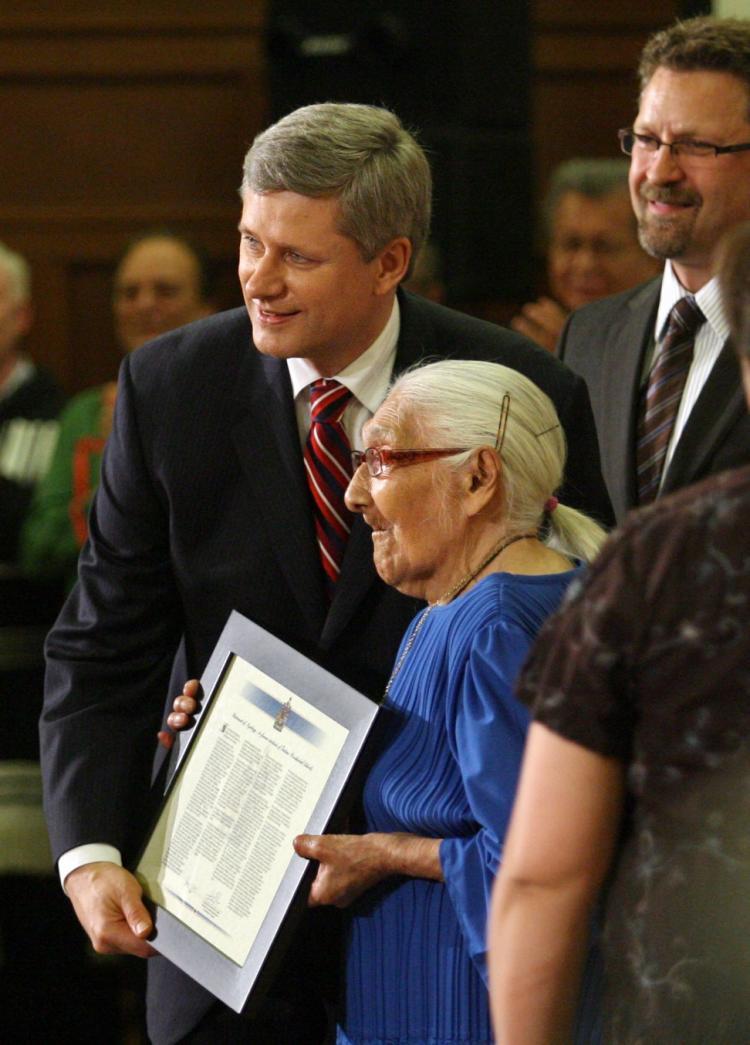
In 2008, Prime Minister Stephen Harper formally apologized to former students, calling the schools “a sad chapter in our history.”
The commission is accepting submissions until Dec. 31, 2013. For more information visit www.trc.ca.
The commission believes that art can play a “profound” role in expressing both truth and reconciliation.
On its website, the TRC says that “collecting artistic works is an important and meaningful way to express the truth, impact and legacy of the residential school experience, and to assist with reconciliation.”
In addition to depicting their experiences at the schools, artists can submit works relating to apology, truth, cultural oppression, cultural genocide, resistance, resilience, spirituality, remembrance, reconciliation, rejuvenation, and restoration of aboriginal culture and pride.
The art will become part of a permanent record of aboriginal children’s experiences at residential schools.
“Part of our mandate is that we will gather statements from survivors [of the schools] in whatever way seems culturally appropriate for them,” TRC Commissioner Marie Wilson told CBC News. “We just want people to know that art, expression through art, is an acceptable way to do that, and not only acceptable, it’s a welcome way.”
Aboriginal peoples have traditionally used art as a form of expression, she added.
“I think, you know, it would be fair to say, even traditionally among the Inuit, that’s the way that people have used music, through ajaaja songs, and drum songs as well, to capture experiences and feelings and emotions.”
The commission is accepting various types of art, including but not limited to performance, video, visual art, novel, music, photography, sculpture presented through DVDs, photos, print, and audio recordings.
With the artists’ consent, the TRC may use the works in its report, on its website, or as part of its education efforts. The artist will hold rights to the art, including the right to display it elsewhere.
The commission was set up in 2008 as part of a court-approved agreement between survivors of Indian residential schools, the churches that ran them, the federal government, and a number of aboriginal organizations.
The aim is to create a historical record of the schools, encourage reconciliation, assist former students with continued healing, and educate Canadians about the schools and their legacy.
Many children were sexually and physically abused at the schools, in addition to often contracting illnesses from poor sanitation and lack of medical care.
In 2008, Prime Minister Stephen Harper formally apologized to former students, calling the schools “a sad chapter in our history.”
The commission is accepting submissions until Dec. 31, 2013. For more information visit www.trc.ca.