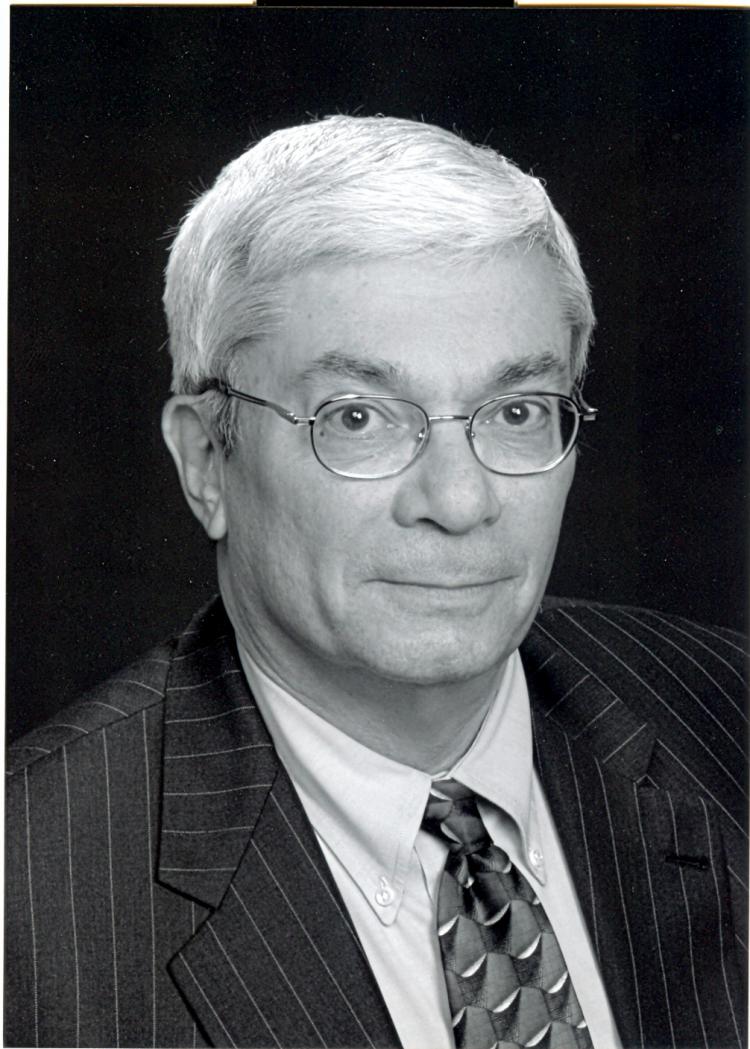
ATLANTA—Louis Lu exited the gate of his subdivision at 5:30 a.m. last June 15. While he was on his way to practice Falun Gong exercises in a suburban park, an immigration enforcement officer was waiting for him. The officer turned on his blue light as Lu drove past, pulled him over, looked at his license, and told him he was to be deported.
Lu was taken to detention where he was held for 147 days. On July 1, as an officer was driving Lu to the Atlanta airport where he would be sent back to China, a phone call from a supervisor turned the car around. “Do you know what kind of feeling I had? It was like I was being released from execution,” said Lu.
“When I think of my wife, my son, [and] my baby, I feel so much pressure. You see the white hairs have come in,” said Lu, gesturing to his head.
Lu had thought his asylum request was proceeding. Since his arrival in the United States, he had become even more public as a Falun Gong practitioner than he had been in China, including reporting for the Chinese language Epoch Times. “I attended so many Chinese community events as a reporter,” he said. “All those special agents [for the Chinese Communist Party] were there. They know my face.”
Sitting in the office of the man who saved him, Lu exclaimed, “If I go back, I am dead.”
More than 3,000 Falun Gong practitioners in China have been persecuted to death since the Chinese Communist Party began a campaign to wipe out the traditional spiritual belief. According to the U.S. State Department, leaders of Falun Gong face severe, deadly persecution.
The Epoch Times newspaper was founded in America by Chinese Americans who wanted to provide a free, uncensored press for Chinese speakers. Epoch Times reporters have been imprisoned and tortured in China.
Lu had been detained, beaten, followed, and blacklisted. He decided to emigrate after a policeman sneeringly warned his wife, in her workplace, that she could be in danger.
Dale Schwartz, distinguished immigration attorney, took on Lu’s seemingly hopeless legal case. Genial and earthy, Schwartz humbly gave credit to almost everyone else for his improbable victory. Another lawyer had turned down the case, telling Lu’s friend Kirk Wang he could not waste their money on such an impossible situation.
A series of misunderstandings had led Lu’s prior legal team to miss a vital deadline. Without knowing it, Lu had missed his chance to appeal a denial of his asylum request by “one of the meanest immigration judges,” according to Schwartz. It is very rare for such a situation to be corrected.
Schwartz has been named among the best lawyers in America for many years in a row. He teaches law at Emory University.
Schwartz explained that Lu’s previous lawyer had only considered the religious freedom angle—that Lu could be in danger in China as a Falun Gong practitioner—and had barely considered how much his jeopardy had increased because of his work as a journalist in the United States.
The previous lawyer had only mentioned Lu’s journalism experience in passing, but Schwartz said he was glad he did because the detail was essential to the case.
Schwartz hired a former judge with expertise in immigration to prepare documents to win Lu’s release. “She stayed up three days and nights with no sleep. Gave me three more heart attacks,” he said, laughing and smiling at Lu.
“Louis doesn’t know about this. She filed 20 pages of documents with—‘to be continued’” written at the end.” He was terrified the judge would not accept the documents because they were incomplete, but his colleague showed up and added to them the next morning, and the documents were accepted. “They were a masterpiece,” said Schwartz.
When Schwartz got word that Lu and his family could stay in the United States, he was on a cruise ship in Thailand. “I woke up all the cabins around me—it was the middle of the night there,” he said.
Schwartz also does a great deal of charitable work. He organized the Georgia Bar Association to raise money for Christmas presents for children in foster care.
In the 1980s, Schwartz helped negotiate an agreement between Cuban refugees in an Atlanta penitentiary and relevant authorities. His family was harassed during that time. “My preteen daughters would pick up the phone and say, ‘Daddy it’s a death threat, it must be for you,’” he said.
Schwartz has no regrets, though he did hire a guard after a frighteningly detailed threat against his family. He worked on the Cuban refugees’ case for five years, pro bono, and now serves on boards of human rights and refugee organizations.
“I see this charitable work as an investment. I encourage young professionals to put something back,” Schwartz said.
Lu was taken to detention where he was held for 147 days. On July 1, as an officer was driving Lu to the Atlanta airport where he would be sent back to China, a phone call from a supervisor turned the car around. “Do you know what kind of feeling I had? It was like I was being released from execution,” said Lu.
“When I think of my wife, my son, [and] my baby, I feel so much pressure. You see the white hairs have come in,” said Lu, gesturing to his head.
Lu had thought his asylum request was proceeding. Since his arrival in the United States, he had become even more public as a Falun Gong practitioner than he had been in China, including reporting for the Chinese language Epoch Times. “I attended so many Chinese community events as a reporter,” he said. “All those special agents [for the Chinese Communist Party] were there. They know my face.”
Sitting in the office of the man who saved him, Lu exclaimed, “If I go back, I am dead.”
More than 3,000 Falun Gong practitioners in China have been persecuted to death since the Chinese Communist Party began a campaign to wipe out the traditional spiritual belief. According to the U.S. State Department, leaders of Falun Gong face severe, deadly persecution.
The Epoch Times newspaper was founded in America by Chinese Americans who wanted to provide a free, uncensored press for Chinese speakers. Epoch Times reporters have been imprisoned and tortured in China.
Lu had been detained, beaten, followed, and blacklisted. He decided to emigrate after a policeman sneeringly warned his wife, in her workplace, that she could be in danger.
Dale Schwartz, distinguished immigration attorney, took on Lu’s seemingly hopeless legal case. Genial and earthy, Schwartz humbly gave credit to almost everyone else for his improbable victory. Another lawyer had turned down the case, telling Lu’s friend Kirk Wang he could not waste their money on such an impossible situation.
A series of misunderstandings had led Lu’s prior legal team to miss a vital deadline. Without knowing it, Lu had missed his chance to appeal a denial of his asylum request by “one of the meanest immigration judges,” according to Schwartz. It is very rare for such a situation to be corrected.
Schwartz has been named among the best lawyers in America for many years in a row. He teaches law at Emory University.
Schwartz explained that Lu’s previous lawyer had only considered the religious freedom angle—that Lu could be in danger in China as a Falun Gong practitioner—and had barely considered how much his jeopardy had increased because of his work as a journalist in the United States.
The previous lawyer had only mentioned Lu’s journalism experience in passing, but Schwartz said he was glad he did because the detail was essential to the case.
Schwartz hired a former judge with expertise in immigration to prepare documents to win Lu’s release. “She stayed up three days and nights with no sleep. Gave me three more heart attacks,” he said, laughing and smiling at Lu.
“Louis doesn’t know about this. She filed 20 pages of documents with—‘to be continued’” written at the end.” He was terrified the judge would not accept the documents because they were incomplete, but his colleague showed up and added to them the next morning, and the documents were accepted. “They were a masterpiece,” said Schwartz.
When Schwartz got word that Lu and his family could stay in the United States, he was on a cruise ship in Thailand. “I woke up all the cabins around me—it was the middle of the night there,” he said.
Schwartz also does a great deal of charitable work. He organized the Georgia Bar Association to raise money for Christmas presents for children in foster care.
In the 1980s, Schwartz helped negotiate an agreement between Cuban refugees in an Atlanta penitentiary and relevant authorities. His family was harassed during that time. “My preteen daughters would pick up the phone and say, ‘Daddy it’s a death threat, it must be for you,’” he said.
Schwartz has no regrets, though he did hire a guard after a frighteningly detailed threat against his family. He worked on the Cuban refugees’ case for five years, pro bono, and now serves on boards of human rights and refugee organizations.
“I see this charitable work as an investment. I encourage young professionals to put something back,” Schwartz said.