A genetic mechanism has been discovered that allows plants to pass memories of their living conditions, so-called epigenetic memories, on to their offspring.
“There are quite a few examples that we now know of where the activity of genes can be affected in the long term by environmental factors,” said study co-author Caroline Dean at the UK’s John Innes Center in a press release.
In previous research, such “memories” have been observed in children and grandchildren of people who had suffered through severe food shortages, manifesting as an increased risk of heart disease and diabetes in descendants.
Likewise, plants can develop a memory of the length of winter to synchronize their flowering cycles with optimum environmental conditions.
This biological memory is said to be epigenetic because the environmental factor does not directly alter the organism’s genetic sequence. Rather, it alters other molecules associated with each cell’s DNA.
Specifically, variable environmental factors can modify proteins called histones that are wrapped inside a cell’s DNA molecules. When a cell divides, the histones are copied in their modified state, and this “memory” is passed onto descendent cells.
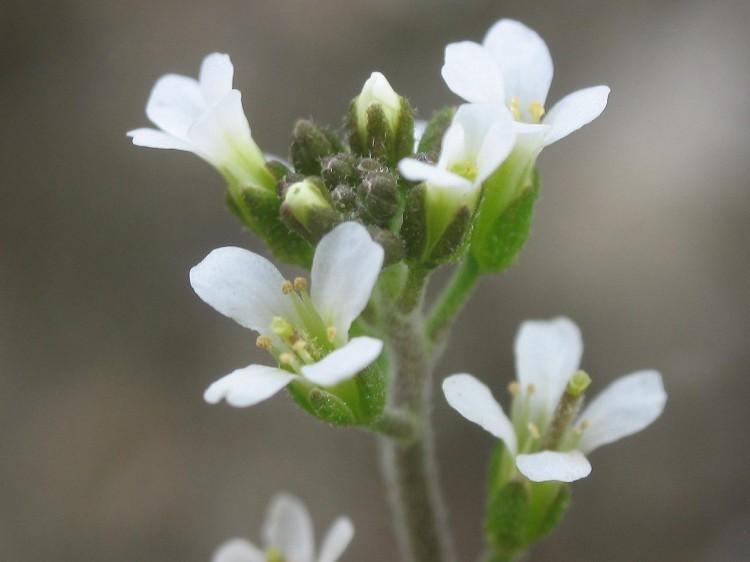
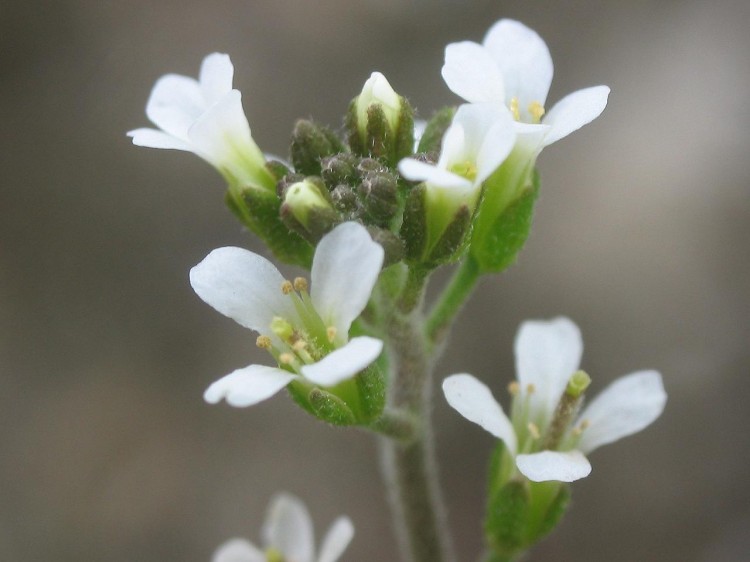
In the plant Arabidopsis, a gene named FLC is at least partially responsible for the plants’ memory of the duration of winter. Using a mathematical model, researchers at the John Innes Centre found that within each cell, the gene was either completely turned on or not at all.
Moreover, the longer winter lasted, the higher the number of cells in a plant that have the gene suppressed to delay flowering.
Experimentally, the researchers showed that during cold periods, histone modification correlated with the suppression of the FLC gene.
The Biotechnology and Biological Sciences Research Council (BBSRC) funded the study, which has wider implications for food security.
“This work not only gives us insight into a phenomenon that is crucial for future food security—the timing of flowering according to climate variation—but it uncovers an important mechanism that is at play right across biology,” said BBSRC CEO Douglas Kell in the release.
The study was published online in the journal Nature on July 24.