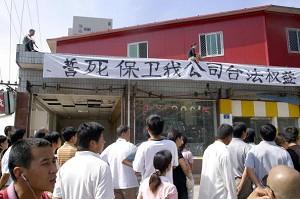
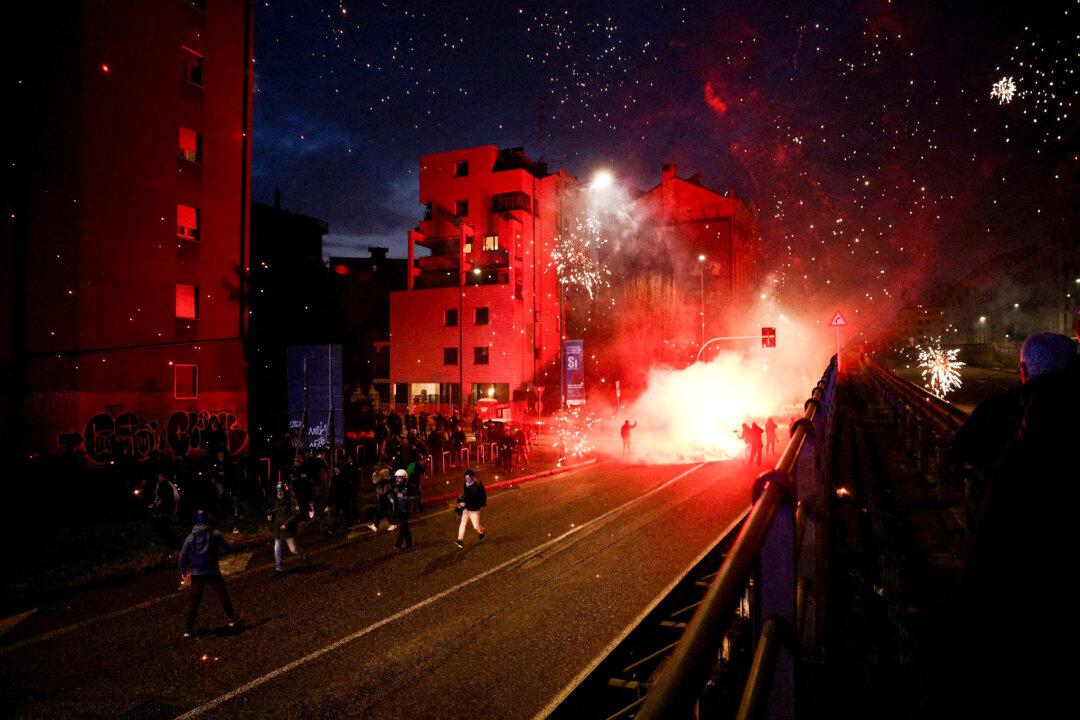
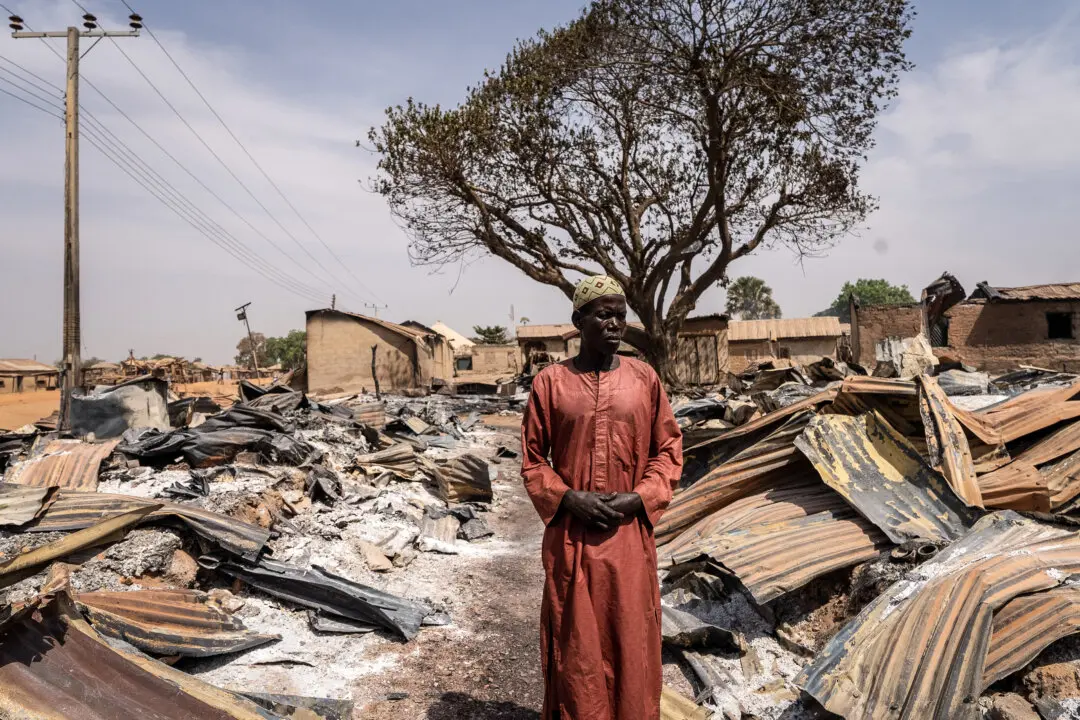
Guangdong Province Gov. Huang Huahua has ordered all coal mines in the province to halt production in order to conduct safety inspections. The shutdown prompted more than 10,000 people in the Shaoguan area to stage a sit in front of city government building to protest their loss of income. Bloody conflicts between police officials and protesters occurred during the incidence. The protesters said they would continue their efforts.
A recent coal mine accident caused more than 100 deaths at Daxing mine in Guangdong Province.
According to an article in the New York Times, the reasons for social turmoil include industrial pollution, illegal forced demolition of residential houses by real estate developers and corrupted local officials, and an increasing gap between rich and poor. Chinese people have begun expressing their requirements for a decent life more openly. The Chinese Communist Party appears unwilling or unable to improve the situation in China.
On average there are at least one or two significant occurrences of conflict between police and citizens reported every week in China. Certain incidents involved police use of tear-gas and batons against protesters. When answering a Reuter's inquiry on the protests, the Ministry of Public Security indicated that during 2004 there were total of 74,000 protests in China, all of which ended in conflict. These numbers are up significantly, compared to 58,000 in 2003. Ten years ago there were only around 10,000.