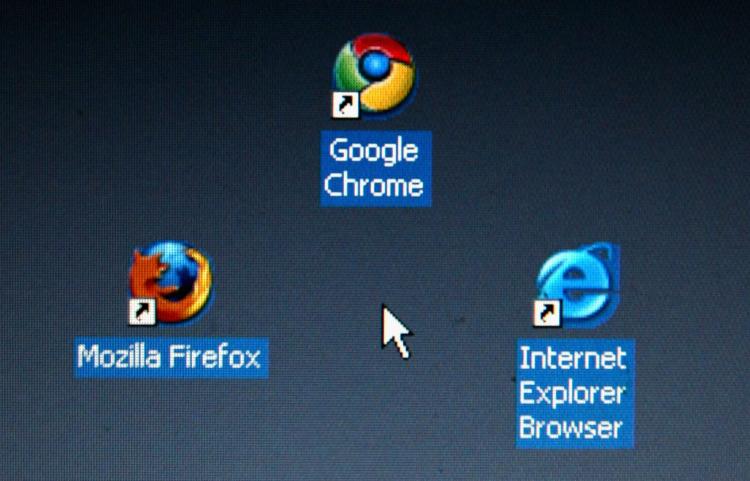
Microsoft have been given six weeks stay of execution by the European Commission’s anti-trust officials. The software corporation has until April 21st to answer charges that ‘bundling’ its browser with its operating system is preventing rival browsers from progressing.
The European Commission (EC) states that Microsoft’s computer operating system, Windows, has such strong ties with Internet Explorer (IE), the company’s internet browser, that computer-users find it too difficult to make connections to the web via other means. It appears that many Windows users do not know there is any other way to connect to the internet except through IE.
There isn’t “the single smallest iota of doubt” that Microsoft’s meshing of IE to Windows “harms competition between Web browsers, undermines product innovation and ultimately reduces consumer choice,” according to a blog entry by Mitchell Baker, chairwoman of Mozilla.
Mozilla provides a browser which savy pc-users have been able to access on Windows machines. It also has an email service. The company has been granted “interested third party” status in the case. They are not a complainant but are allowed to submit arguments to the European regulator, to see EC confidential statements of objections sent to Microsoft, and to participate in any face-to-face hearing.
Google have also stepped in as a third party in the European Commission’s proceedings. In 2007, the company surpassed Microsoft as the most visited site on the Web. As well as its famous search engine, Google provides email, document storage, productivity software and mobile phone systems. It has also acquired Internet companies, ranging from blogging services to the video-sharing site YouTube. Limiting browsers cuts down access to these services.
The complainant in the case is the Norwegian web browser Opera. Last year they asked the EC to “obligate Microsoft to unbundle Internet Explorer from Windows and/or carry alternative browsers preinstalled on the desktop.”
This month Microsoft announced in a blog that its new operating system, Windows 7, will include features that allow users to disable a number of well-known products such as Internet Explorer and Windows Media Player.
This latest information seems to be a Microsoft stratagie to avoid regulatory sanctions. The legal side of this ducking and diving goes back to 1991 when the U.S. government’s Federal Trade Commission (FTC) began investigating Microsoft’s licensing procedures.
The FTC involvement resulted in a 1994 settlement agreement limiting Microsoft to per-copy licensing.
Many lawsuits and complaints have been brought against Microsoft. Most have succeeded and Microsft has modified its practice.
In February 2008, on the eve of launching a new server version of Windows, Microsoft incurred a further fine from the EC of 899m euros (£798m). The EC implemented the fine as Microsoft had continued to ignore antitrust rulings.
At that time, Europe’s Competition Commissioner Neelie Kroes said, “Microsoft was the first company in 50 years of EU competition policy that the Commission has had to fine for failure to comply with an antitrust decision.”
She said she hoped the fine would close a “dark chapter in Microsoft’s record of non-compliance.”
The European Commission (EC) states that Microsoft’s computer operating system, Windows, has such strong ties with Internet Explorer (IE), the company’s internet browser, that computer-users find it too difficult to make connections to the web via other means. It appears that many Windows users do not know there is any other way to connect to the internet except through IE.
There isn’t “the single smallest iota of doubt” that Microsoft’s meshing of IE to Windows “harms competition between Web browsers, undermines product innovation and ultimately reduces consumer choice,” according to a blog entry by Mitchell Baker, chairwoman of Mozilla.
Mozilla provides a browser which savy pc-users have been able to access on Windows machines. It also has an email service. The company has been granted “interested third party” status in the case. They are not a complainant but are allowed to submit arguments to the European regulator, to see EC confidential statements of objections sent to Microsoft, and to participate in any face-to-face hearing.
Google have also stepped in as a third party in the European Commission’s proceedings. In 2007, the company surpassed Microsoft as the most visited site on the Web. As well as its famous search engine, Google provides email, document storage, productivity software and mobile phone systems. It has also acquired Internet companies, ranging from blogging services to the video-sharing site YouTube. Limiting browsers cuts down access to these services.
The complainant in the case is the Norwegian web browser Opera. Last year they asked the EC to “obligate Microsoft to unbundle Internet Explorer from Windows and/or carry alternative browsers preinstalled on the desktop.”
This month Microsoft announced in a blog that its new operating system, Windows 7, will include features that allow users to disable a number of well-known products such as Internet Explorer and Windows Media Player.
This latest information seems to be a Microsoft stratagie to avoid regulatory sanctions. The legal side of this ducking and diving goes back to 1991 when the U.S. government’s Federal Trade Commission (FTC) began investigating Microsoft’s licensing procedures.
The FTC involvement resulted in a 1994 settlement agreement limiting Microsoft to per-copy licensing.
Many lawsuits and complaints have been brought against Microsoft. Most have succeeded and Microsft has modified its practice.
In February 2008, on the eve of launching a new server version of Windows, Microsoft incurred a further fine from the EC of 899m euros (£798m). The EC implemented the fine as Microsoft had continued to ignore antitrust rulings.
At that time, Europe’s Competition Commissioner Neelie Kroes said, “Microsoft was the first company in 50 years of EU competition policy that the Commission has had to fine for failure to comply with an antitrust decision.”
She said she hoped the fine would close a “dark chapter in Microsoft’s record of non-compliance.”