Most financial advisors understand that you should not over-invest in a single sector of the economy. Instead, you should divide your investments across asset classes to prevent a total wipeout of your portfolio due to a single economic event.
Gold, silver, platinum, and palladium are four of the most traded precious metals. However, you can also find more exotic types of precious metals to invest in.
Gold
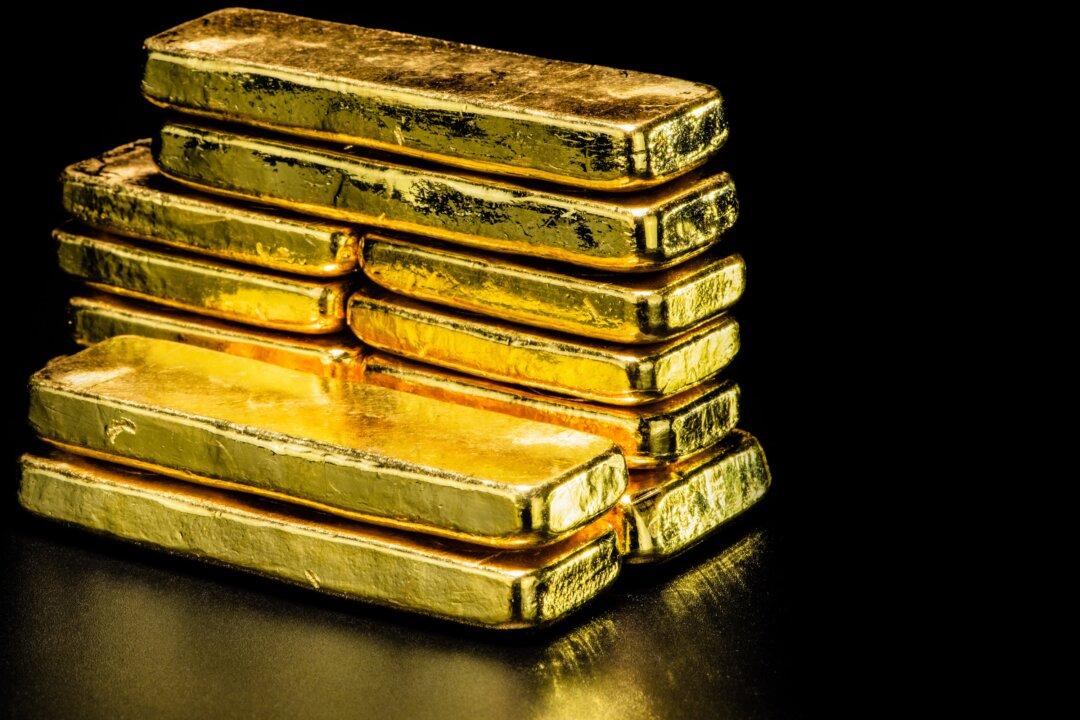
Gold has remained in the portfolios of savvy investors for millennia. Gold was the primary medium of exchange between nation-states until the last century. Aside from the beauty of the yellow metal, gold offers several benefits. Some of the main perks of holding physical gold bullion include the following:· hedge against economic downturn · history of long-term gains · no counter-party risk · incorruptibility
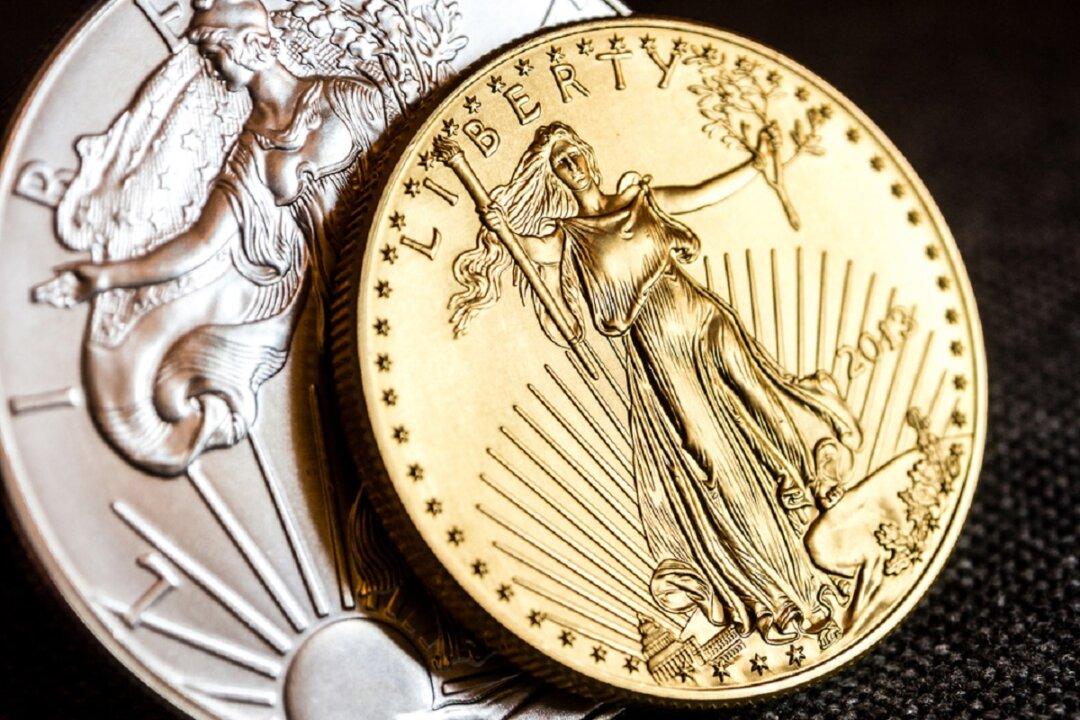
You can also get government-minted gold coins to ensure gold bullion of the finest quality.
Silver
Although gold sees plenty of industrial use in the electronics sector, manufacturers of smartphones, computers, and televisions use silver far more. Like gold, silver has served as real money for millennia and remains incorruptible. Unlike cash, gold and silver bullion will not disappear in a fire or succumb to hungry pests.Platinum
For most recorded history, platinum has commanded a higher price than gold. However, that changed soon after the turn of the century, partly due to increased competition from palladium in the automotive manufacturing industry. The platinum market remains much smaller than gold, causing excess price volatility.Palladium
When palladium emerged as the preferred metal for catalytic converters, it ate into platinum’s automotive market share. In recent years, palladium has traded above gold. Many investors foresee a bright future for palladium due to its usage in emerging green technologies.Copper
Considered a semi-precious metal by some investors, copper remains plentiful and affordable. Plus, copper is widely used across multiple industries, which helps stabilize its price.Investing in physical copper proves difficult because it takes up much space when purchased in bulk. Some of the most common uses for copper include:
· plumbing
· motors
· wiring
· roofing
· machinery
· cookware
Rhodium
Rhodium deserves mention due to its high level of portability. As one of the rarest metals, it commands a high price. At times, the cost of rhodium remains so high that some investors could transport their entire net worth in their front pockets.However, due to its small market share, rhodium experiences massive price swings in both directions.
Percentage Allocation for Each Precious Metal
Few investors allocate the same percentage for each asset when diversifying into multiple precious metals. In most portfolios, gold and silver make up the bulk of the investment, with other metals playing a support role. While investment allocations will vary based on an individual investor’s risk tolerance, a balanced precious metals portfolio could look like this:· 60 percent gold · 30 percent silver · 5 percent platinum · 5 percent palladium
The Oxford Gold Group helps investors protect and grow their wealth by purchasing physical gold and silver for their IRAs and for home delivery as effortlessly and securely as buying bonds or stocks. That’s why investors have turned to the security of gold and silver and the Oxford Gold Group. Call 833-600-GOLD or visit OxfordGoldGroup.com to receive a complimentary copy of “Your Precious Metals Investment Guide.”
Third-party advertisements and links to other sites where goods or services are advertised aren’t endorsements or recommendations by The Epoch Times of the third-party sites, goods, or services. The Epoch Times takes no responsibility for the content of the ads, promises made, or the quality/reliability of the products or services offered in all advertisements.