

As the United States winds down its war in Iraq and hopes to downsize its effort in Afghanistan, top defense contracting firms are looking for ways to cut costs or expand their services.
The world’s No. 1 defense contractor, Lockheed Martin Corp., said this week that more than 600 executives—around 25 percent of its managerial ranks—have agreed to take voluntary buyouts and leave the company.
Lockheed announced that more than 600 would take the financial incentives and resign, saving the company considerable amount of staff costs by 2011, the Bethesda, Md.-based firm said on Wednesday.
The move “will enable us to achieve significant cost savings and a leaner management structure at a time when our customers have an urgent need for more affordable solutions to the global security challenges they face,” said Lockheed Martin Chairman Bob Stevens in a statement.
“We’re grateful to the executives who will be leaving, because we built this corporation on their leadership and dedicated service. The new reality of our business environment does not in any way detract from the respect and success they earned.”
The voluntary buyout program will likely incur the company a one-time charge in the millions. The company has 136,000 employees worldwide.
Lockheed’s ability to push voluntary leave from its management staff with such speed is rare in the corporate sphere. During the economic recession, firms have pushed voluntary buyouts as a better alternative than layoffs.
The Lockheed departures come from middle- to upper-management, not the top executive, or “C-Suite” level. Like many other companies in the industry, Lockheed is looking to meet its budget while facing decreased demand for its products and services.
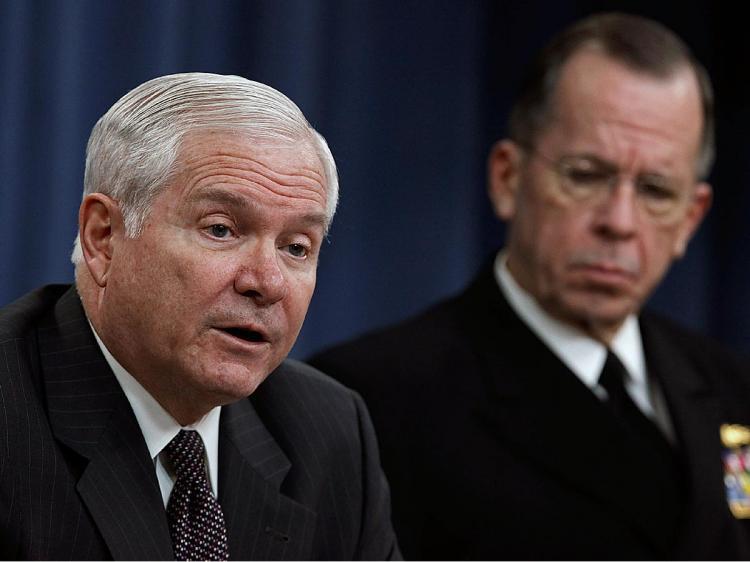
The company depends on the federal government for revenues—around 85 percent of 2009 top-line revenues were from U.S. government sources. Secretary of Defense Robert Gates announced recently that he would cut weapons spending by about $60 billion over the next several years.
After the war in Iraq, the U.S. military is undoubtedly looking to trim its expenditures, and defense contractors will be the first ones to feel the budget cuts.
Rival Boeing Co. this week also announced similar cuts to its managerial ranks—around 10 percent of management at its defense contractor business. Boeing’s defense unit produces the F/A-18 and F-15 Eagle fighter jets.
Other than cutting costs, defense contractors are also looking to expand their businesses as they adapt to the changing landscape of military and security.
Along with defense budget cuts, governments also have invested heavily in non-weapon defense mechanisms such as cybersecurity, espionage, and unmanned surveillance.
At the Reuters Aerospace and Defense Summit this week in Washington, executives from the top defense firms—including Boeing and Lockheed—expressed their interest in such nonconventional offerings.
“Obviously as we see defense budget pressure, that does at times lead to potential consolidation,” said Boeing Defense CEO Dennis Muilenburg in an interview with Reuters.
The defense industry is no stranger to consolidation. This summer, Boeing acquired Argon ST, a research firm specializing in communication and sensors technologies, for around $775 million. The move will help Boeing expand its product offerings beyond traditional weaponry.
EADS, one of the largest defense firms in Europe, also announced its intentions to expand its business. Chief Executive Louis Gallois said at the conference that his firm is already talking to potential suitors.
The world’s No. 1 defense contractor, Lockheed Martin Corp., said this week that more than 600 executives—around 25 percent of its managerial ranks—have agreed to take voluntary buyouts and leave the company.
Lockheed announced that more than 600 would take the financial incentives and resign, saving the company considerable amount of staff costs by 2011, the Bethesda, Md.-based firm said on Wednesday.
The move “will enable us to achieve significant cost savings and a leaner management structure at a time when our customers have an urgent need for more affordable solutions to the global security challenges they face,” said Lockheed Martin Chairman Bob Stevens in a statement.
“We’re grateful to the executives who will be leaving, because we built this corporation on their leadership and dedicated service. The new reality of our business environment does not in any way detract from the respect and success they earned.”
The voluntary buyout program will likely incur the company a one-time charge in the millions. The company has 136,000 employees worldwide.
Corporate Belt-Tightening
Lockheed’s ability to push voluntary leave from its management staff with such speed is rare in the corporate sphere. During the economic recession, firms have pushed voluntary buyouts as a better alternative than layoffs.
The Lockheed departures come from middle- to upper-management, not the top executive, or “C-Suite” level. Like many other companies in the industry, Lockheed is looking to meet its budget while facing decreased demand for its products and services.
The company depends on the federal government for revenues—around 85 percent of 2009 top-line revenues were from U.S. government sources. Secretary of Defense Robert Gates announced recently that he would cut weapons spending by about $60 billion over the next several years.
After the war in Iraq, the U.S. military is undoubtedly looking to trim its expenditures, and defense contractors will be the first ones to feel the budget cuts.
Rival Boeing Co. this week also announced similar cuts to its managerial ranks—around 10 percent of management at its defense contractor business. Boeing’s defense unit produces the F/A-18 and F-15 Eagle fighter jets.
Responding to Budget Pressure
Other than cutting costs, defense contractors are also looking to expand their businesses as they adapt to the changing landscape of military and security.
Along with defense budget cuts, governments also have invested heavily in non-weapon defense mechanisms such as cybersecurity, espionage, and unmanned surveillance.
At the Reuters Aerospace and Defense Summit this week in Washington, executives from the top defense firms—including Boeing and Lockheed—expressed their interest in such nonconventional offerings.
“Obviously as we see defense budget pressure, that does at times lead to potential consolidation,” said Boeing Defense CEO Dennis Muilenburg in an interview with Reuters.
The defense industry is no stranger to consolidation. This summer, Boeing acquired Argon ST, a research firm specializing in communication and sensors technologies, for around $775 million. The move will help Boeing expand its product offerings beyond traditional weaponry.
EADS, one of the largest defense firms in Europe, also announced its intentions to expand its business. Chief Executive Louis Gallois said at the conference that his firm is already talking to potential suitors.


