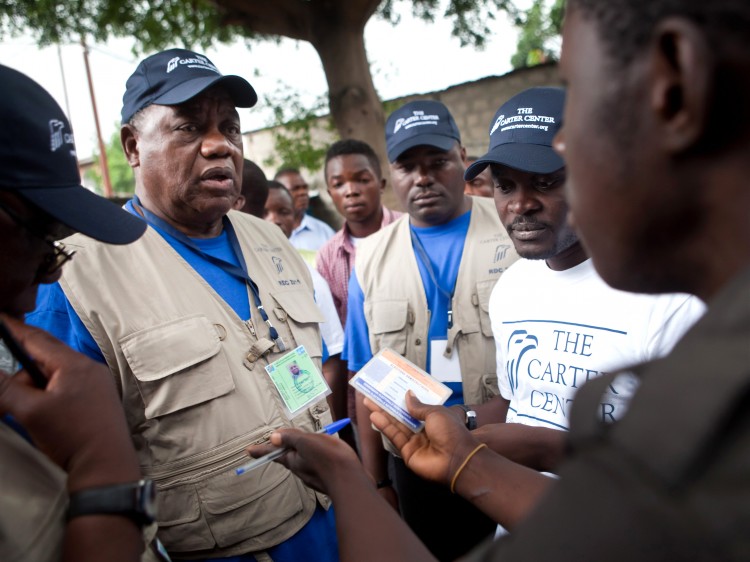
Election day in the Republic of Congo (DRC) kicked off with gunfire and violence, leaving at least 10 people dead and dozens wounded. Clashes between angry voters and agents of the electoral commission erupted in numerous polling stations, due to delays in voting, a lack of ballots, missing names on lists, and suspicions of fraud.
Later in the day the situation calmed down and the elections were generally called peaceful by the authorities. But some say more violence could explode after results are announced.
“People want the government to step down and if this government wins by treachery, there is going to be more violence. It is going to be a real bloodshed in this country,” says Fidel Bafilemba, field research consultant in Democratic Republic of Congo for the Enough Project of the Center for American Progress.
According to Bafilemba, peoples’ moods at the polling stations were varied, generally dividing along generational lines. The young were very enthusiastic and determined for change. They are angry with incumbent President Joseph Kabila and want revenge for the suffering they have endured for many years.
The elderly held more mixed feelings calling Kabila a peace builder—the man who united the DRC after years of civil war—despite being disappointed that he failed to keep his promise to improve peoples’ lives.
Overall the 2011 campaign was much more violent than the last round of elections 2006, which were the first since the end of the civil war in the central African nation. At that time people still had faith in Kabila, says Bafilemba, but this time people are disappointed and angry about the lack of progress.