



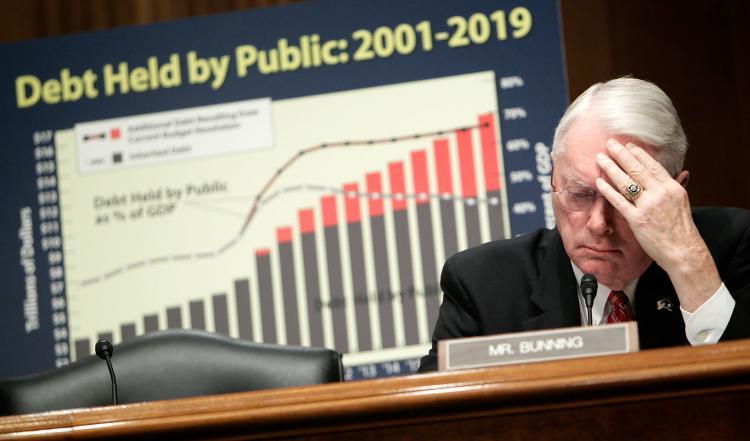
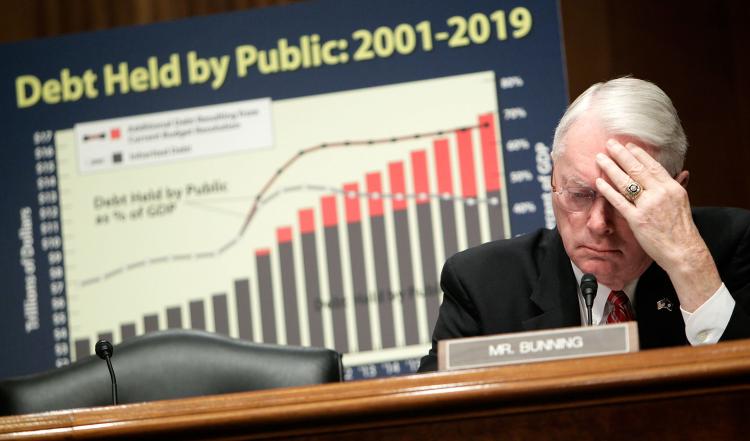
After an initial procedural block by Sen. Jim Bunning (R-Ky.) that brought fire from both major political parties, the Senate passed a 30-day short-term extension bill late Tuesday to continue funding of federal programs, including unemployment and health insurance benefits.
Passed by a vote of 78-19, the bill was sent Tuesday night to President Obama for signature, who in a statement said he was “grateful to the members of the Senate on both sides of the aisle who worked to end this roadblock to relief for America’s working families.
“During these difficult economic times, supporting American workers, their families, and our small businesses must be everyone’s focus,” he concluded, referring to the bill’s health care and unemployment subsidies and small business loan assistance.
The bill extended these benefits temporarily while Congress attempts to resolve and approve a long-term solution to funding the federal programs.
The measure also included funding for COBRA—which temporarily extends employee group-rate coverage for the unemployed—as well as delayed cuts in Medicare payments to physicians.
The extension also covered the provision of highway funds to the Department of Transportation, which had furloughed 2,000 employees temporarily after Monday’s deadline had passed without passage of a new funding bill.
Sen. Bunning’s objection to the passage of the stopgap bill stemmed from his frustration with Senate Democrats ignoring enacted requirements that legislation proposals be pay-as-you-go (PAYGO) and not add further to the federal deficit.
“We cannot keep adding to the debt and passing the buck to generations of future workers and taxpayers,” Sen. Bunning said in a floor statement Tuesday. “We must get our debt problem under control, and there is no better time than now.”
The PAYGO legislation, which requires non-discretionary spending be “budget neutral” and offset by tax increases or savings in other areas, was passed by the Senate recently and signed into law by President Obama Feb. 12.
Congressional members from both parties—and the president in his State of the Union Address—have expressed support for fiscal responsibility in an attempt to reign-in spending and increasing federal debt, estimated to be $12.5 trillion dollars at present.
But with unemployment at 10 percent, the bill is seen as immediately necessary to continue relief from the economic hardships faced by many Americans; with this, potential political fallout may have played a role in why some Republicans distanced themselves from Sen. Bunning’s move.
Sen. Susan Collins (R-Maine) stated that quick passage of the bill and its provided benefits were important to “both sides of the aisle” and added that “numerous members of the Republican caucus” opposed Sen. Bunning’s actions, according to a Bloomberg report.
Sen. Bunning blocked the bill by objecting to the legislation’s passage by unanimous consent, which forgoes debate and votes on amendment proposals in order to expedite passage. Sen. Bunning was the lone objector.
Democrats were critical of the move. “What Sen. Bunning did was just outrageous, and I think the American people understood that,” Sen. Benjamin Cardin (D-Md.) said at a press conference with House Democrats Wednesday. “That’s an abuse of the procedures in the United States Senate.”
Passed by a vote of 78-19, the bill was sent Tuesday night to President Obama for signature, who in a statement said he was “grateful to the members of the Senate on both sides of the aisle who worked to end this roadblock to relief for America’s working families.
“During these difficult economic times, supporting American workers, their families, and our small businesses must be everyone’s focus,” he concluded, referring to the bill’s health care and unemployment subsidies and small business loan assistance.
The bill extended these benefits temporarily while Congress attempts to resolve and approve a long-term solution to funding the federal programs.
The measure also included funding for COBRA—which temporarily extends employee group-rate coverage for the unemployed—as well as delayed cuts in Medicare payments to physicians.
The extension also covered the provision of highway funds to the Department of Transportation, which had furloughed 2,000 employees temporarily after Monday’s deadline had passed without passage of a new funding bill.
Pay-As-You-Go
Sen. Bunning’s objection to the passage of the stopgap bill stemmed from his frustration with Senate Democrats ignoring enacted requirements that legislation proposals be pay-as-you-go (PAYGO) and not add further to the federal deficit.
“We cannot keep adding to the debt and passing the buck to generations of future workers and taxpayers,” Sen. Bunning said in a floor statement Tuesday. “We must get our debt problem under control, and there is no better time than now.”
The PAYGO legislation, which requires non-discretionary spending be “budget neutral” and offset by tax increases or savings in other areas, was passed by the Senate recently and signed into law by President Obama Feb. 12.
Congressional members from both parties—and the president in his State of the Union Address—have expressed support for fiscal responsibility in an attempt to reign-in spending and increasing federal debt, estimated to be $12.5 trillion dollars at present.
But with unemployment at 10 percent, the bill is seen as immediately necessary to continue relief from the economic hardships faced by many Americans; with this, potential political fallout may have played a role in why some Republicans distanced themselves from Sen. Bunning’s move.
Sen. Susan Collins (R-Maine) stated that quick passage of the bill and its provided benefits were important to “both sides of the aisle” and added that “numerous members of the Republican caucus” opposed Sen. Bunning’s actions, according to a Bloomberg report.
Sen. Bunning blocked the bill by objecting to the legislation’s passage by unanimous consent, which forgoes debate and votes on amendment proposals in order to expedite passage. Sen. Bunning was the lone objector.
Democrats were critical of the move. “What Sen. Bunning did was just outrageous, and I think the American people understood that,” Sen. Benjamin Cardin (D-Md.) said at a press conference with House Democrats Wednesday. “That’s an abuse of the procedures in the United States Senate.”


