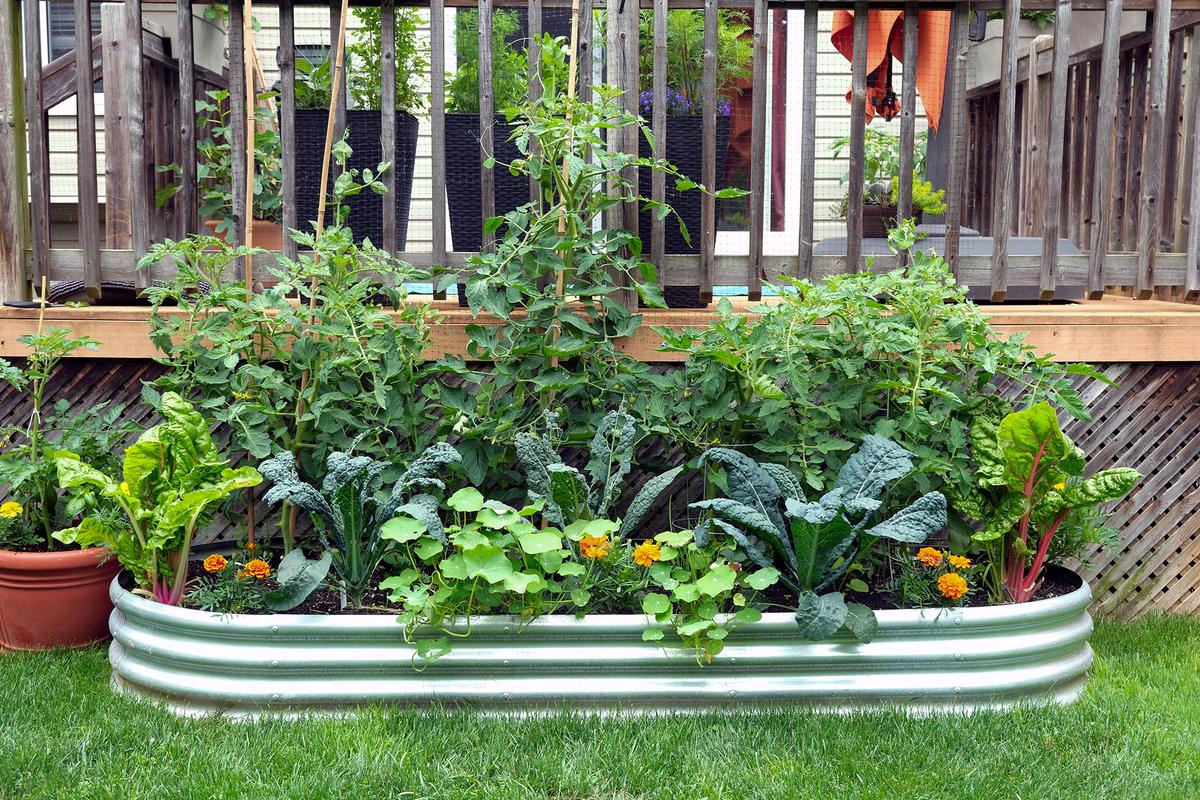
Tomatoes can be a challenge to grow, thanks to soil-borne diseases and pests. But there are natural ways to combat these, and one simple method is to give your tomatoes companion plants.
Planting Companion Plants
Intercropping with your tomatoes can be done in the ground or in raised beds. You can plant in rows or intermixed.Flowers Are a Great Addition
Flowers are a beautiful touch to a tomato garden, especially if you have raised beds. Some flowers that do well with tomatoes are calendula, cosmos, and zinnias. These are composite flowers from the daisy family. Composite flowers mean the center of each flower is actually made up of smaller flowers, which pollinators love.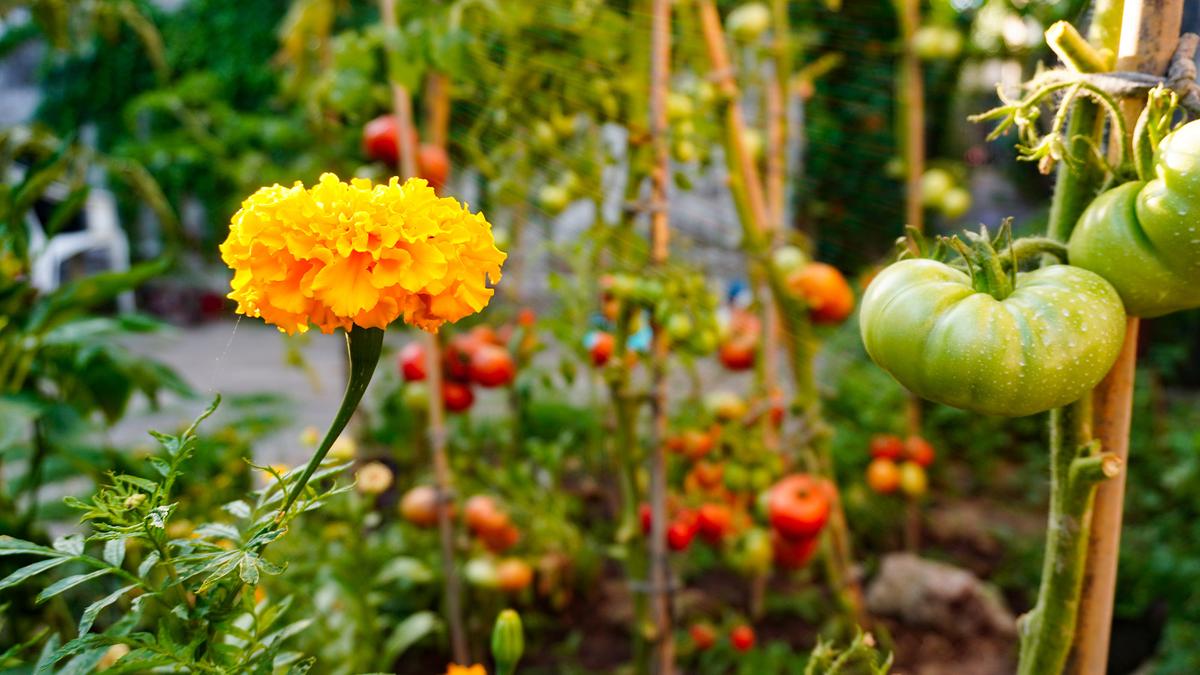
As with many flowers, there are different types of marigolds. “If you want to interplant close to your tomato plants, select the smaller types,” Bradley said. “If you prefer to plant them along the edge of a bed of tomatoes, go for one of the taller varieties.”
Nasturtiums are another useful flower. “Nasturtiums can be used as a ‘trap crop,’ which will attract aphids and whiteflies to them,” Bradley said, “protecting your tomato plants from these sap-sucking insects.”
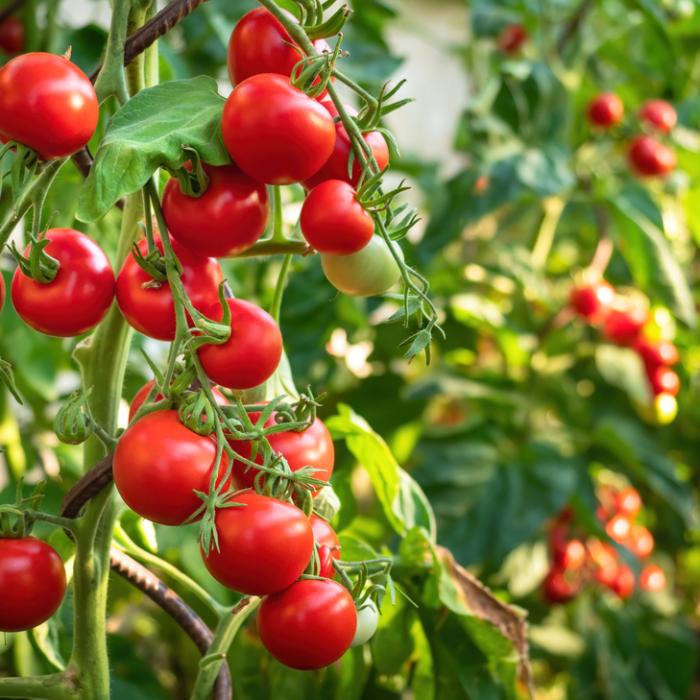

They’re also a natural deterrent against the fungal diseases to which tomatoes are prone, including blight and leaf spot. These diseases thrive in warm, wet environments.
Herbs That Befriend Tomato Plants
Who hasn’t mixed basil with tomatoes when cooking? It’s a true companion to tomatoes in the kitchen, and it can also help them in the garden.According to Bradley, basil acts as a pest repellent and “will help to keep aphids, spider mites, thrips, and whiteflies away from your plants.”
Thyme is also an ideal companion plant for tomatoes. It has shallow roots, so it won’t compete with the tomatoes’ deeper root systems. It also leaves nutrients and moisture in the soil.
“Creating a dense ground cover will prevent the soil from drying out,” Bradley said, “and as thyme has only moderate watering needs, most will be available for the water-greedy tomatoes to benefit from.”
Thyme’s strong scent also deters pests that destroy tomatoes, including aphids, blackflies, whiteflies, and hornworms.
“Thyme is also believed to improve the flavor of tomatoes when grown in the same soil,” Bradley said.
Both basil and thyme also attract natural pollinators such as bees. With the increase in pollination, you’ll have higher yields.
Vegetables That Work Well With Tomatoes
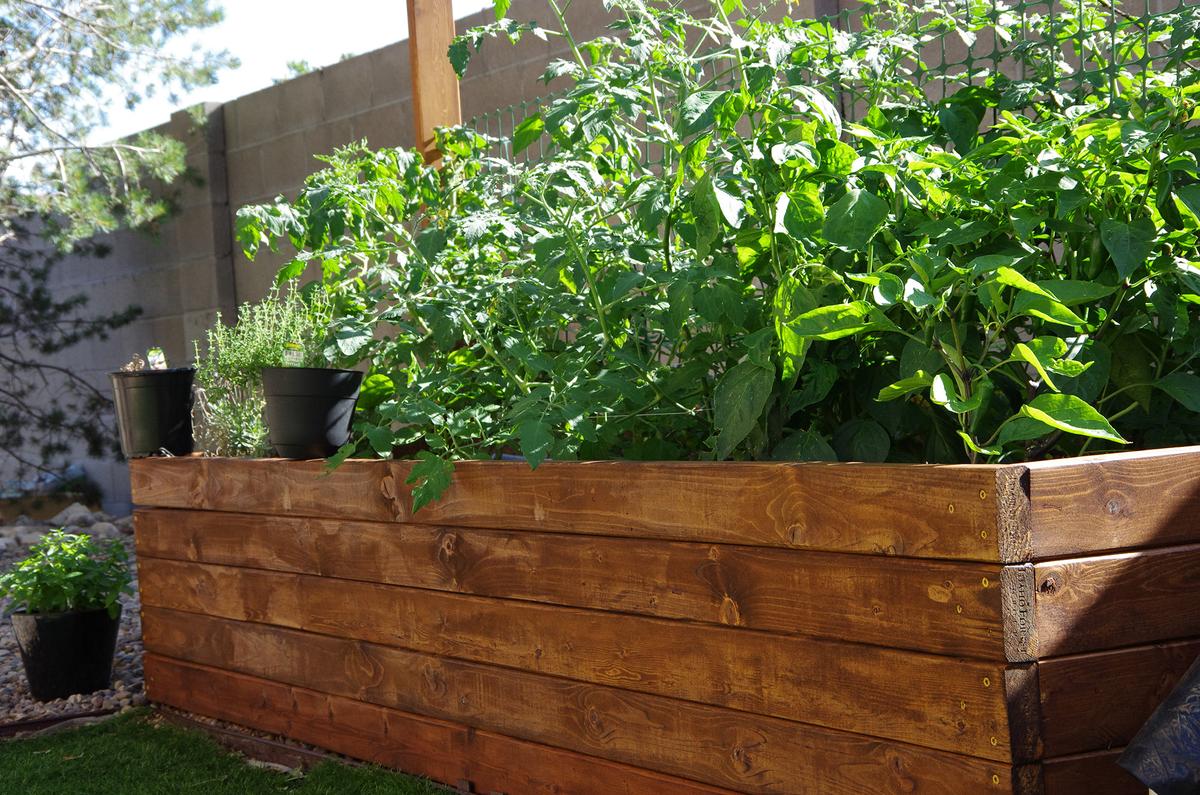
Some vegetables can be used as sacrificial plants. For example, plant radishes if your tomatoes are plagued by flea beetles. The flea beetle will always go for the radish. You’ll lose the radish, but the tomato will be saved.Plant the bush beans south of the tomatoes so they won’t be shaded by the tomato plants. Conversely, pole beans will grow taller than tomatoes and should be planted behind them. If you do plant pole beans, keep them far enough away so they won’t become entangled with the tomatoes.
Carrots and tomatoes work well together. The carrot’s long root breaks up the soil. This allows the tomatoes’ roots to receive more water and oxygen. The tomatoes will shade the carrots and extend their season. Tomatoes also give off solanine, which deters carrots’ common pests.
Garlic helps tomatoes fight off red spider mites.