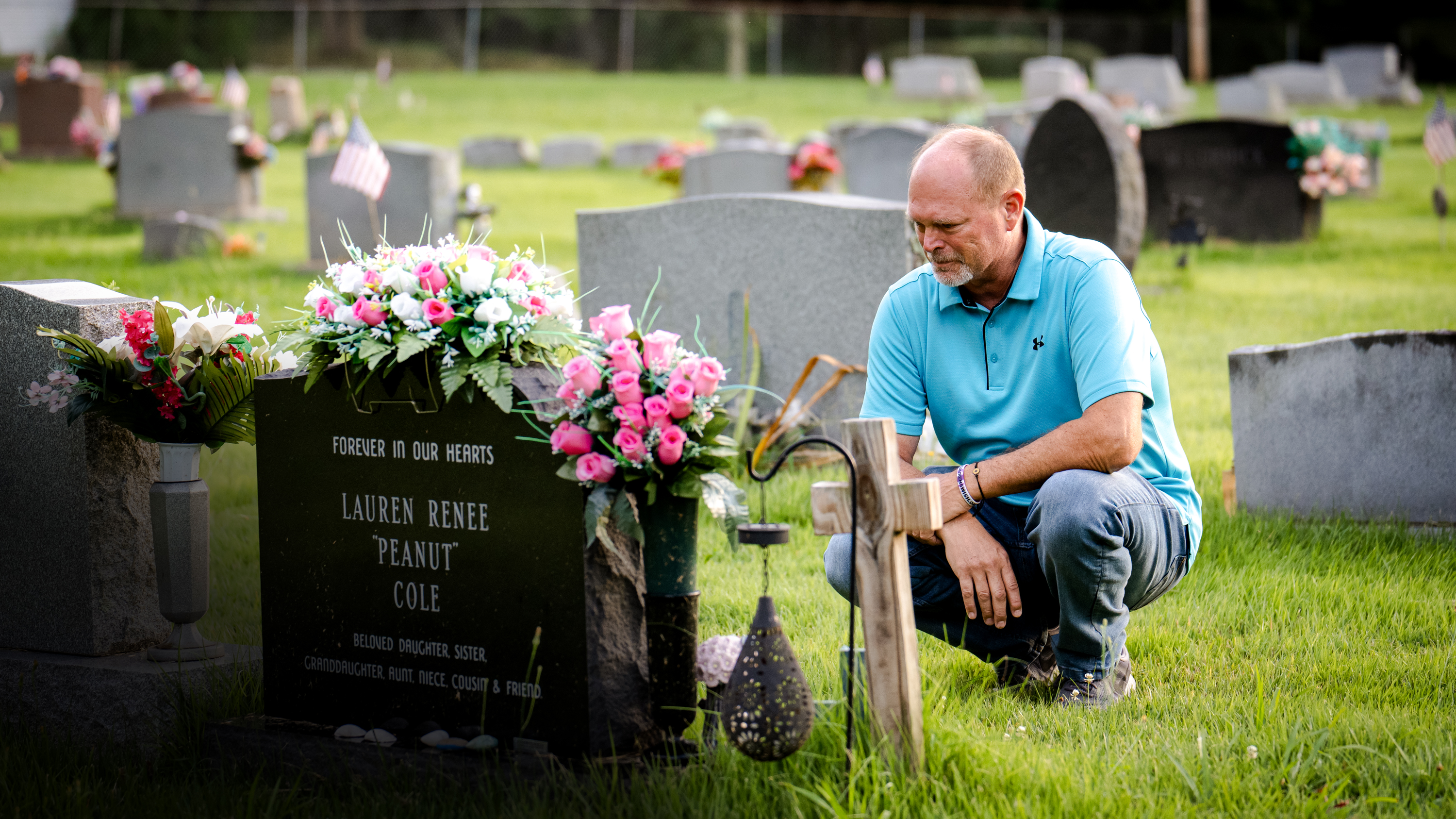

MORGANTOWN, W.Va.—The shadows lengthened as Michael Cole walked through the cemetery near sunset to his daughter’s grave, where he dropped to his knees and kissed the cool, dark stone of her marker.
Head bowed, his hands tenderly swept away bits of grass clinging to the headstone’s base, fingers lingering on shells and heart-shaped stones left as tribute to Lauren Cole’s life. She was 26.
Since fentanyl took his daughter five years ago, Cole has learned by heart the way to Fletcher Cemetery, a grassy spot lined by wildflowers and towering trees where crickets chirp on summer evenings.
The route to the cemetery from Morgantown winds past hills and roads with such names as Birch Hollow, to where it ends near Cheat Lake, just south of the Pennsylvania state line.
The day his daughter died remains vivid in his mind. He found her slumped over in the front seat of her car, which was still running.
The grief still claws at him.
Across West Virginia, the epicenter of the fentanyl crisis in the United States, people told The Epoch Times their stories of loss and addiction—but also of hope.
From Morgantown to the capital of Charleston along Interstate 79, then south on U.S. Highway 119 to Williamson, families spoke about challenges and victories, large and small.
Many lay the blame for the crisis on China, which provides precursor chemicals for fentanyl to Mexican cartels, which manufacture the finished product and traffic it into the United States, mainly across the southwest border.
Dealers use pill presses to make counterfeit versions of drugs such as Xanax laced with fentanyl, which is considered lethal at 2 milligrams, the equivalent of 10 to 15 grains of table salt.
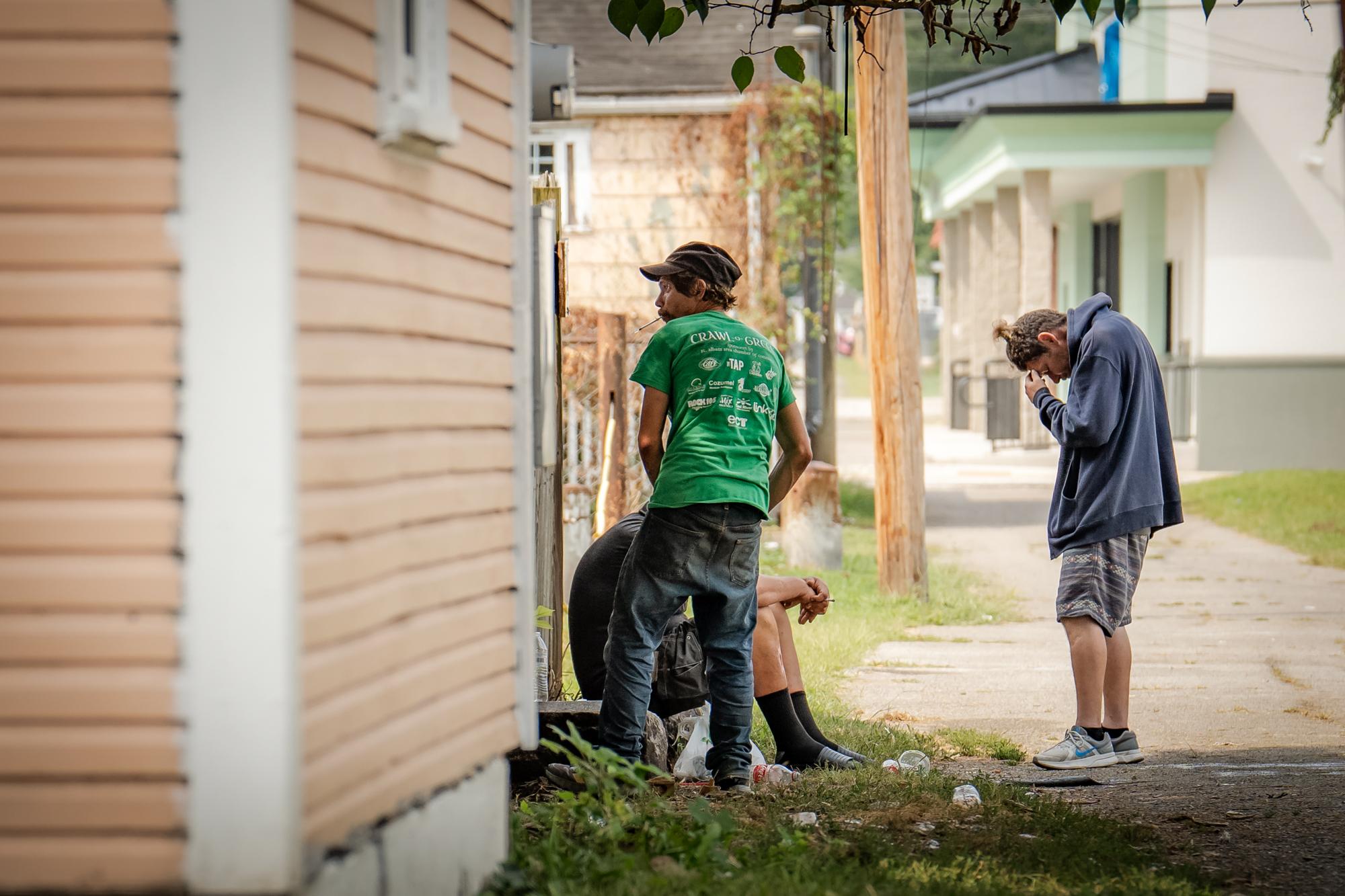
Many also believe that poverty, the hollowing out of industries including coal mining, and the loss of the well-paid jobs that went with them have all played a part in the story of addiction that plagues those who live in Appalachia.
Hope in the Hollers
Provisional data from February 2024 to January 2025 show overdose deaths, mainly attributable to fentanyl, have decreased 25 percent across the country, according to the CDC.

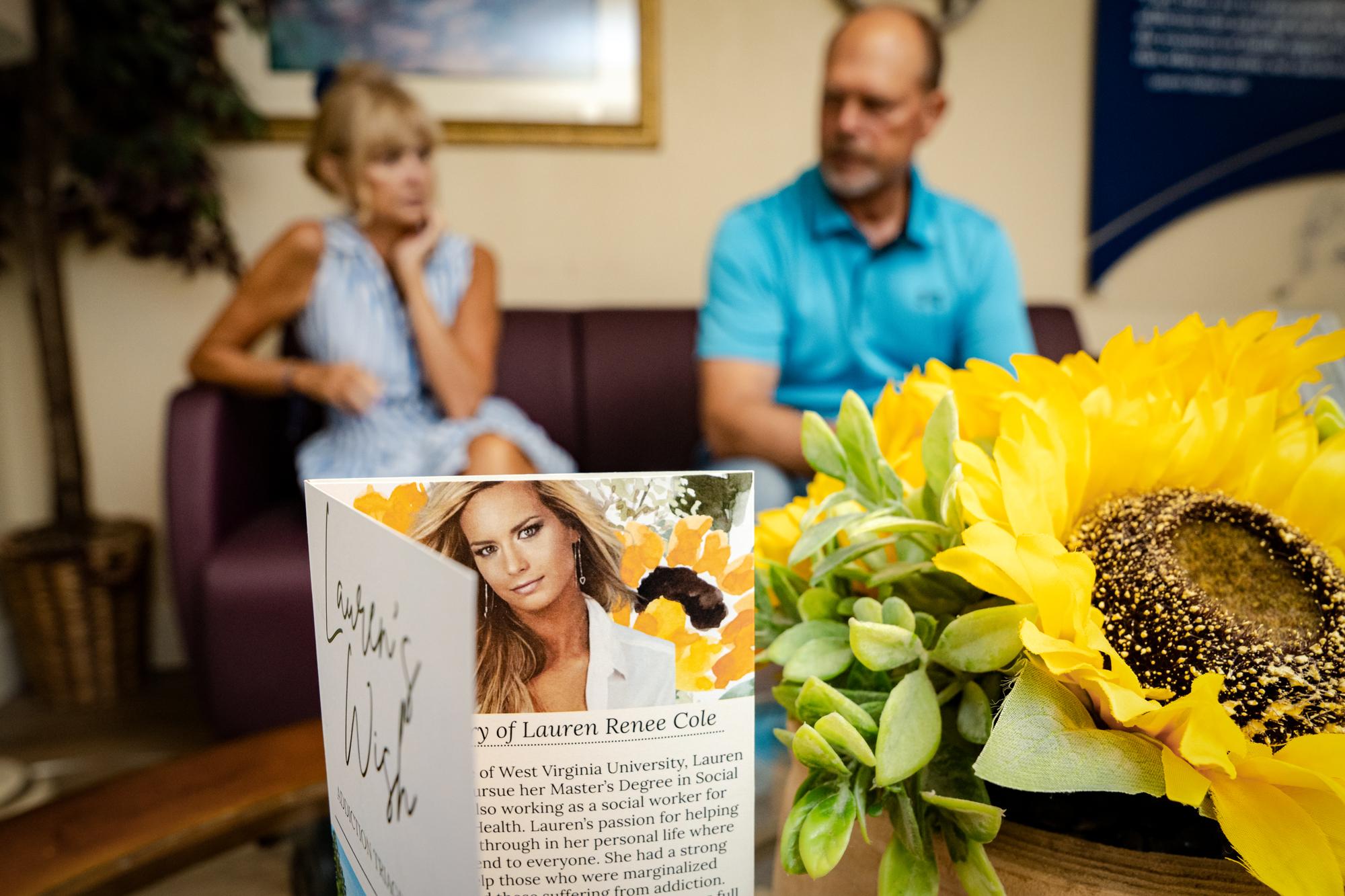
Since Lauren Cole’s death, Michael Cole and his wife, Cherie, have made it their mission to save other parents from suffering their own devastating loss.
“We need to stop the stigma,” Cherie Cole said, explaining that her daughter felt guilty about relapsing.
She said Lauren told her one day, “I just don’t understand why it won’t stop, the voices in my head,” describing her struggle.
They could afford to pay for rehabilitation treatment for their daughter—who battled addiction for a decade after trying opioids with friends, which led her to use heroin—but they knew many families could not.
The Coles recall one time when the rehab cost was $50,000 after insurance. Recovery has become a lucrative industry for some, with individuals even earning a commission for placing clients, Cherie Cole said.
“I mean, there is no price tag you wouldn’t pay,” Michael Cole said. “And unfortunately, there are places that know that.”
“Ask parents,” Cherie Cole said. “They drain their 401(k)s to save their children. They sell their houses.”
Even as Lauren Cole, a social worker pursuing a master’s degree at West Virginia University, continued to wrestle with addiction, she wanted to help others.
“Dad, there are so many people struggling with addiction who need and want help, but do not have the resources or family support to get it. Do you think that when you retire, we can do something to help?” she asked her father one day.
That conversation was the inspiration for Lauren’s Wish.
When Lauren Cole was released from a recovery center in Florida in 2012, a drug dealer was waiting outside, ready to prey upon those being released.

Luckily, Cherie Cole accompanied her daughter home that day, but it made the family realize that something needed to be done to protect those trying to recover.
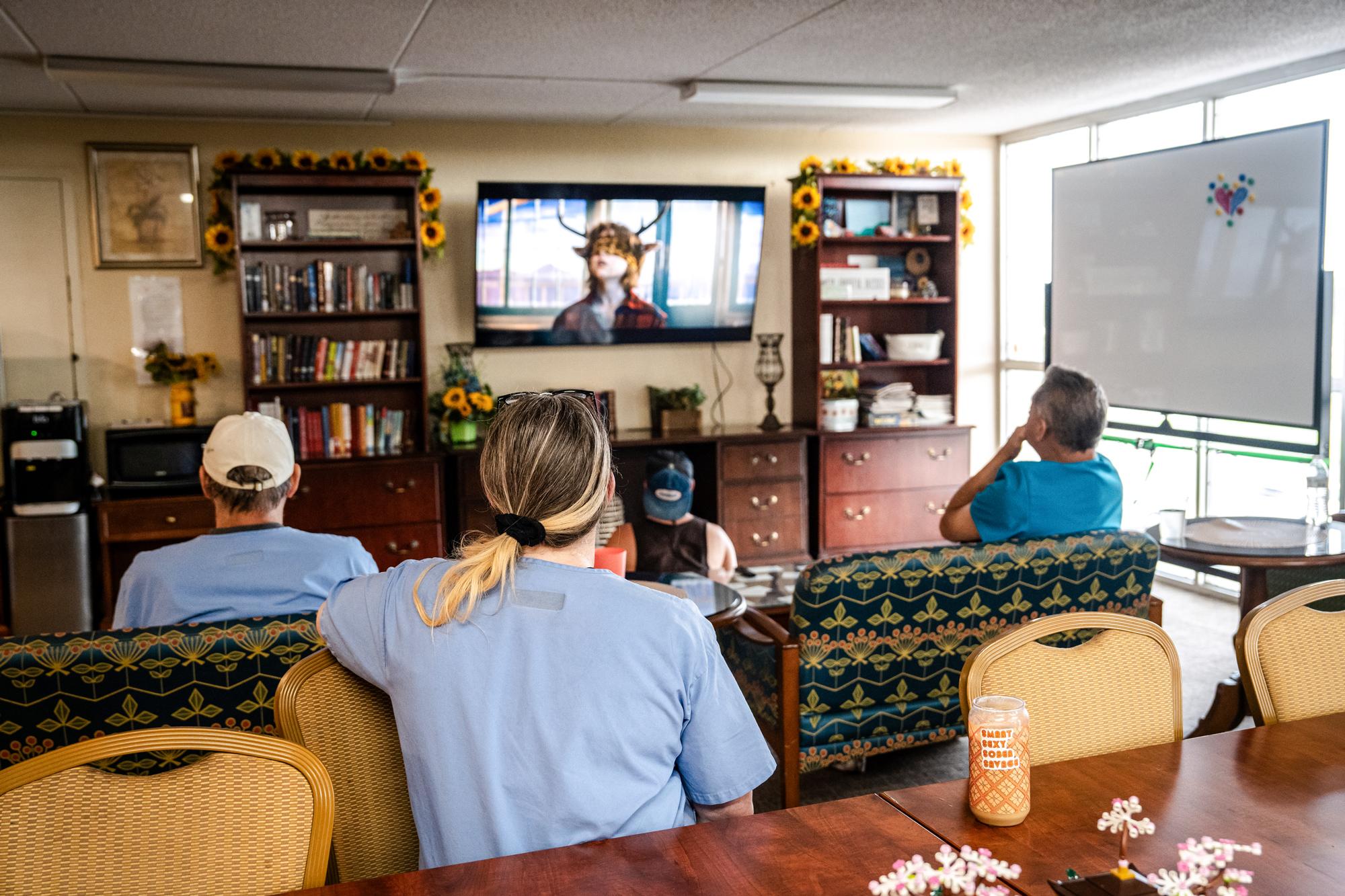
Now, the Coles work with two local hospitals that refer patients to the center. Once cleared, the patients are transported directly from the hospitals to Lauren’s Wish.
The center provides meals, a bed, and recovery coaches. The 24-bed facility has served about 1,100 people since it opened its doors in 2021, the Coles said.
Except for one client who left the center against medical advice, all have lived, Michael Cole said.
Compassion Fatigue
The Coles furthered their battle against fentanyl after dealing with a system they feel is riddled with red tape and failure.Michael Cole took it upon himself to investigate what happened to his daughter, whose death was originally classified as an accidental overdose.
Cherie Cole had to file a petition to have the cause of death changed to fentanyl poisoning.
Michael Cole said it took more than 138 phone calls to a detective over the course of a year before two men were arrested.
One was a dealer from Detroit, who was sentenced to 15 years for delivery resulting in death. The other was a high school friend who had supplied drugs to Lauren in the past, who was given a four-year sentence, Michael Cole said.
“Today, our police don’t investigate [if] it’s a druggie that overdosed,” he said.
Other parents told The Epoch Times that police departments appear to suffer from compassion fatigue or indicate that proving any charges would be difficult or impossible.
About an hour south of Morgantown, Andrea Elza pulled out a tiny blue Lip Medex tin and set it on the kitchen table.
It’s where she keeps her son’s ashes when she travels. Crayton Elza was 25 when he died of fentanyl poisoning in the town of Fairmont in 2023.
She takes his remains with her on vacations. It has become a ritual for Elza to share her son with the world.
She has left his ashes at Niagara Falls, the Grand Canyon, and even inside a cannon at Fort Sumter.
“He’s everywhere,” she said, smiling. “He would get a kick out of it.”
Like Michael Cole, she and other parents feel like law enforcement has become numb to the entire cycle of addiction, drugs, and death.
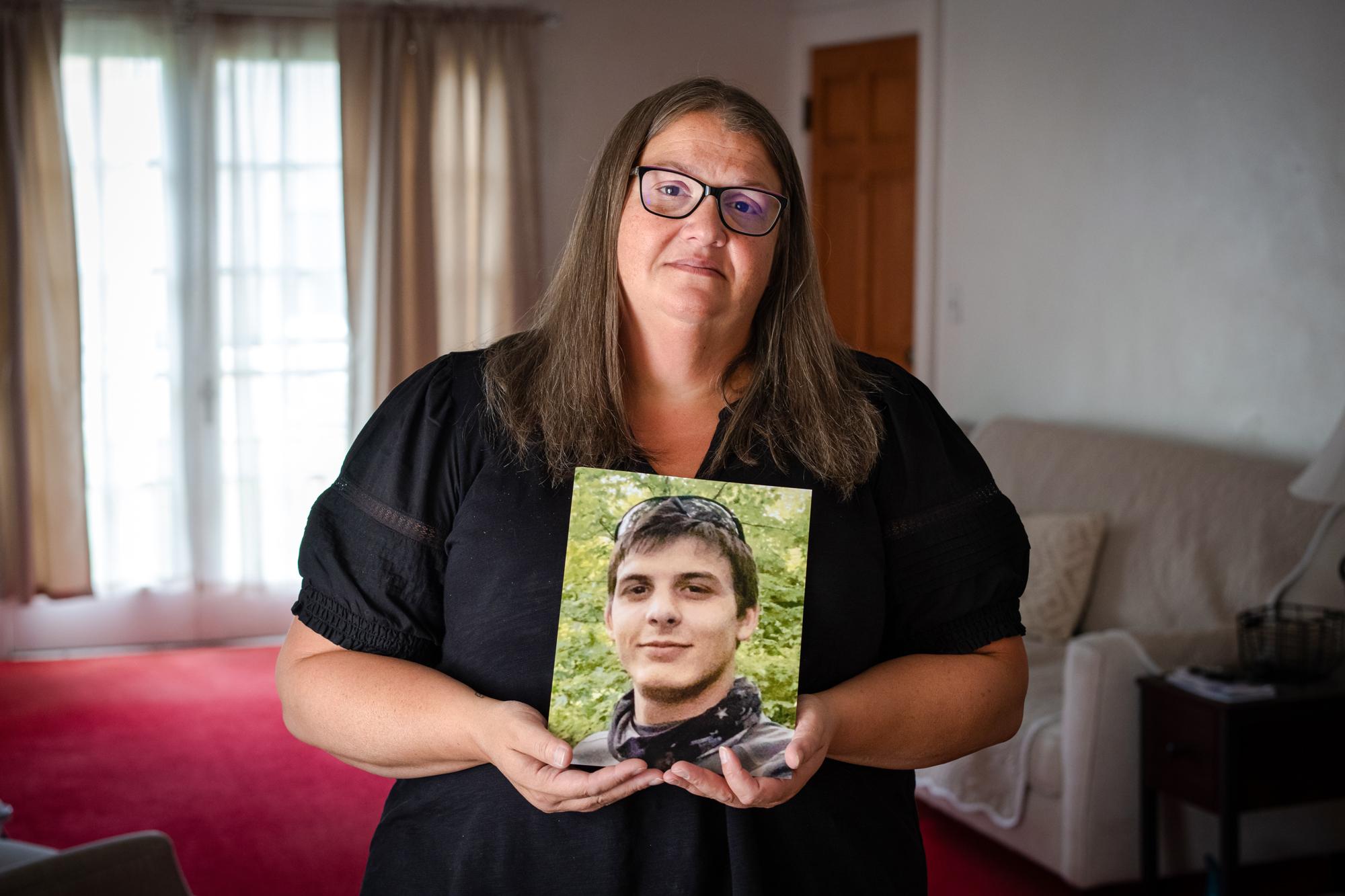
She found her son sitting on his bed, his face red and purple, leaning over on some pillows, on the day he died.
She gave him four treatments of naloxone, slapped him, and pounded on his chest—anything to revive him.
“I wanted him to wake up and tell me how to save him,” she recalled, her voice breaking. “I kissed him and told him I was sorry.”
The police took his phone for evidence, but no charges were ever filed.
“No one cares,” she said with a bitter smile. “There is no comfort.”
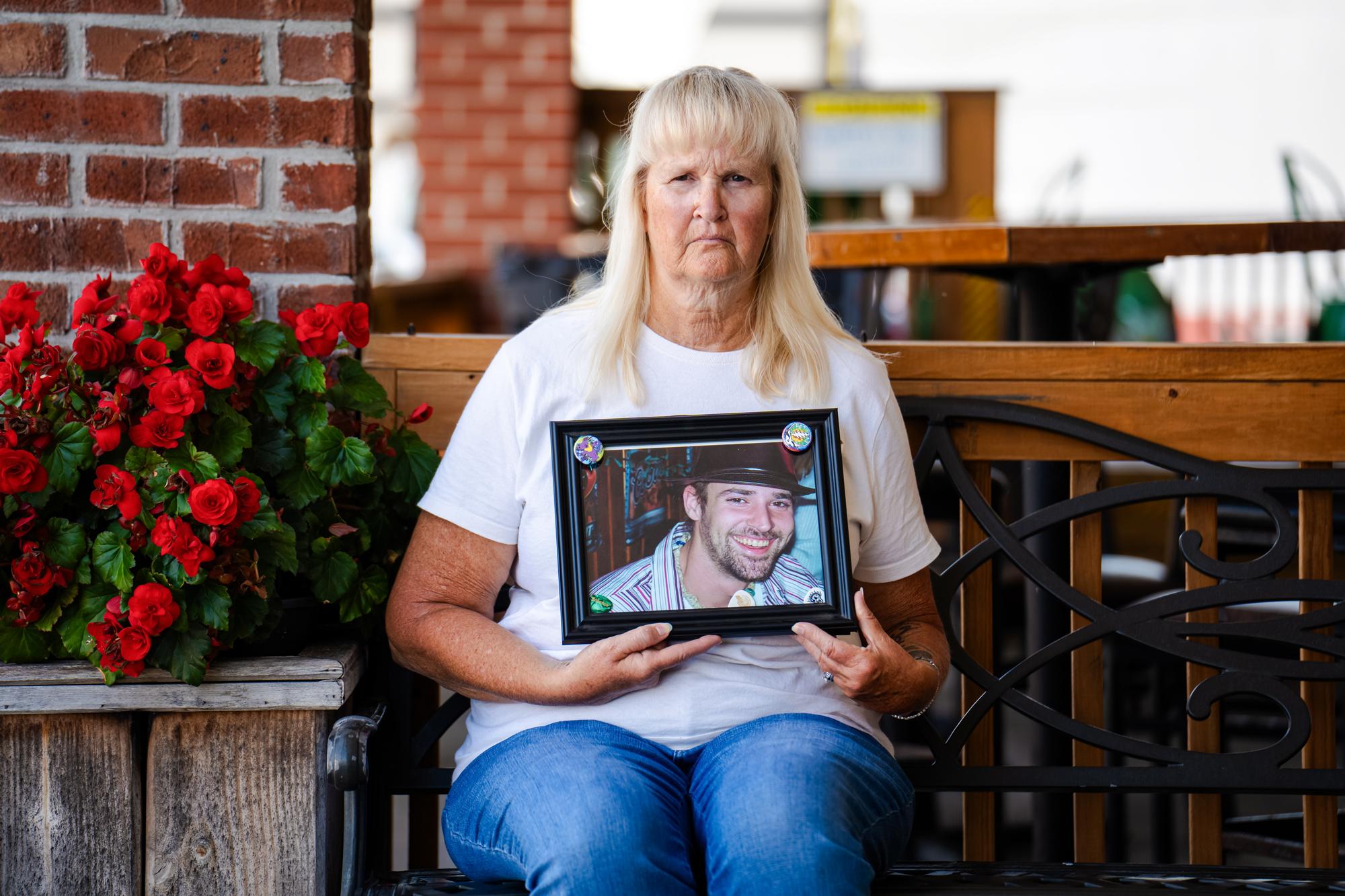
Mary Bell, whose 39-year-old son Joshua Shelton died from fentanyl poisoning in July 2020 in Morgantown, said even text message evidence and GPS data showing the apartment he visited before he died weren’t enough to build a case.
“There just comes a point that you’ve tried everything you can do. You’ve called the state attorney general, and you just feel like nobody cares,” she said.
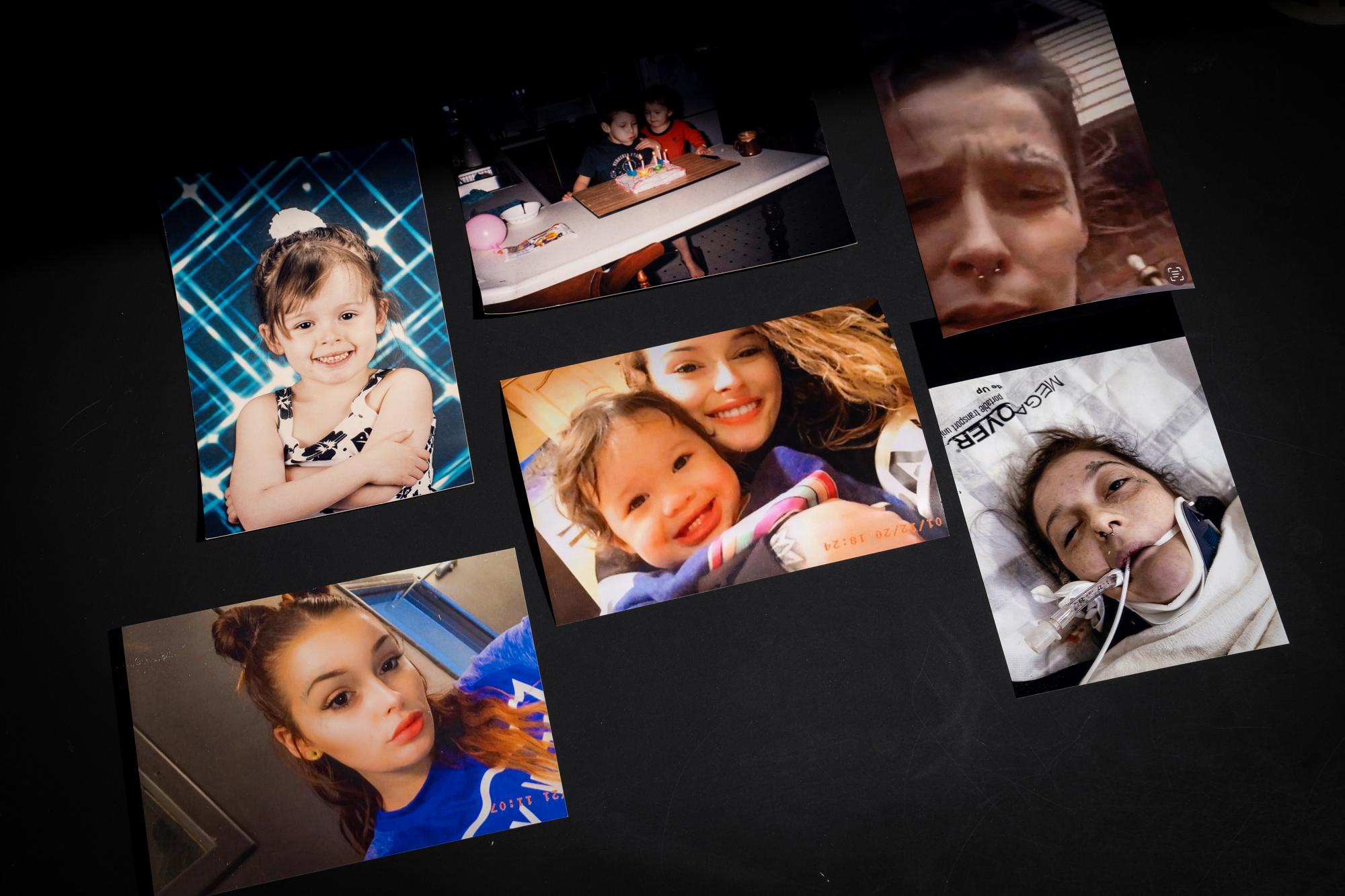
Anita Tibbs spread out photos of her daughter along the coffee table at a Parkersburg Starbucks—a visual timeline of a pretty young girl who grew up and had a daughter of her own.
The last photo of Taylor Tibbs, who died from fentanyl poisoning in 2023 when she was 27, showed her in the hospital, clinging to life with tubes down her throat, her eyes vacant.
“How do you take somebody from this, to this—to this?” she asked, gesturing from the photos to the urn holding her daughter’s ashes.
Anita Tibbs’s eyes flashed as she talked about the system that she believes failed her daughter after she was in and out of rehab facilities and halfway houses.
The very institutions that are supposed to help sometimes make it worse because they serve as networking hubs for addicts, she said.
Addiction Antidotes
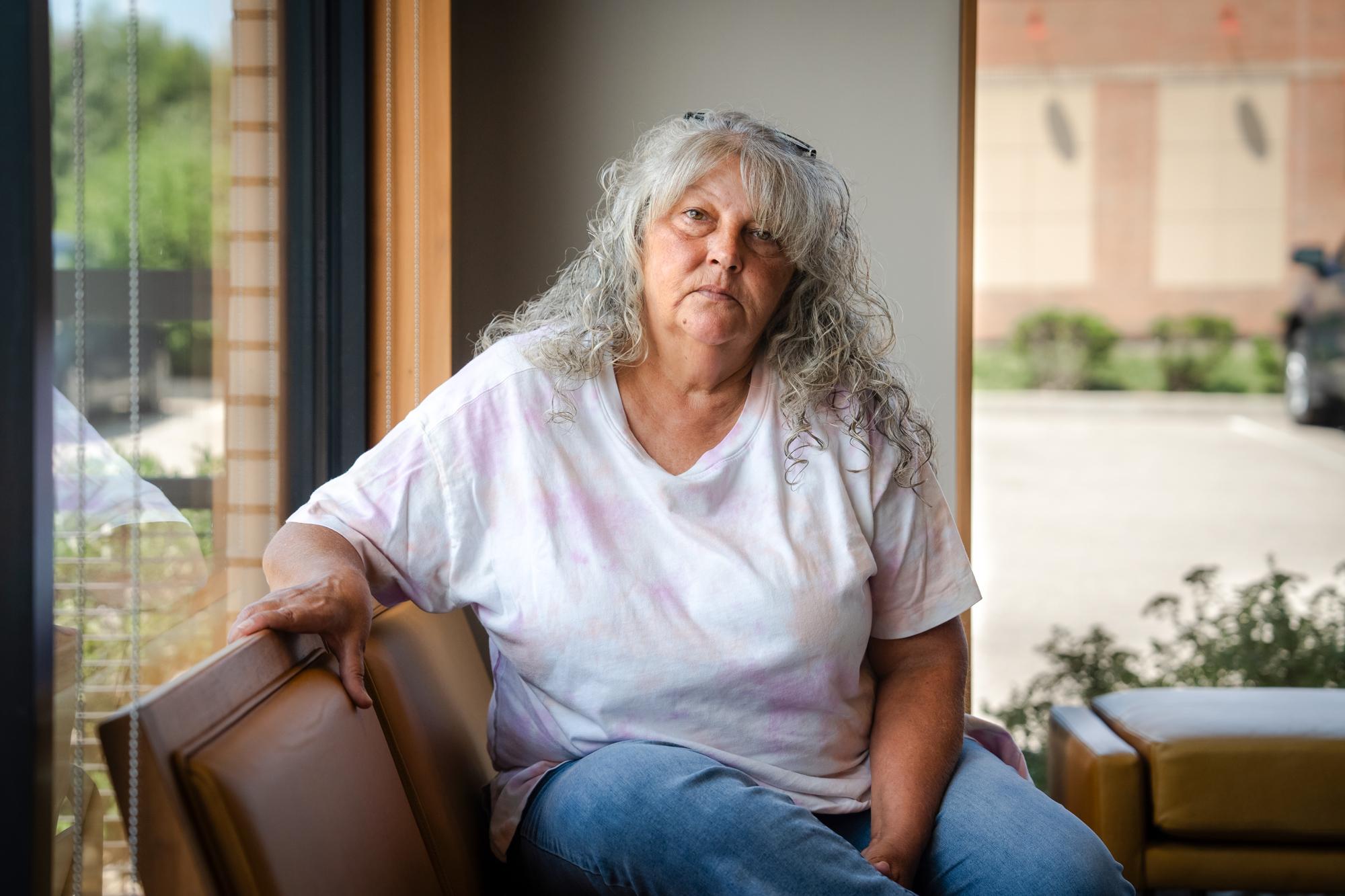
Dr. Stephen Loyd, director of West Virginia’s Office of Drug Control Policy, told The Epoch Times that things are improving in the state thanks to more cooperation between the legal system, nonprofits, and government.Programs that reduce the opportunity for relapse, such as Lauren’s Wish, have been effective. Saturating the state with naloxone and treating those in the prison system for addiction has been a game-changer, Loyd said.
One of the most innovative steps has been an early warning system for deadly drug batches that works much like an Amber Alert.
When overdoses are detected in neighboring cities such as Pittsburgh or Washington, his office dispatches response teams of peer recovery workers and police to warn people on the streets in West Virginia that a bad batch of drugs could be headed their way.
“We know it will hit West Virginia,” he said. “It’s really ground-breaking stuff.”
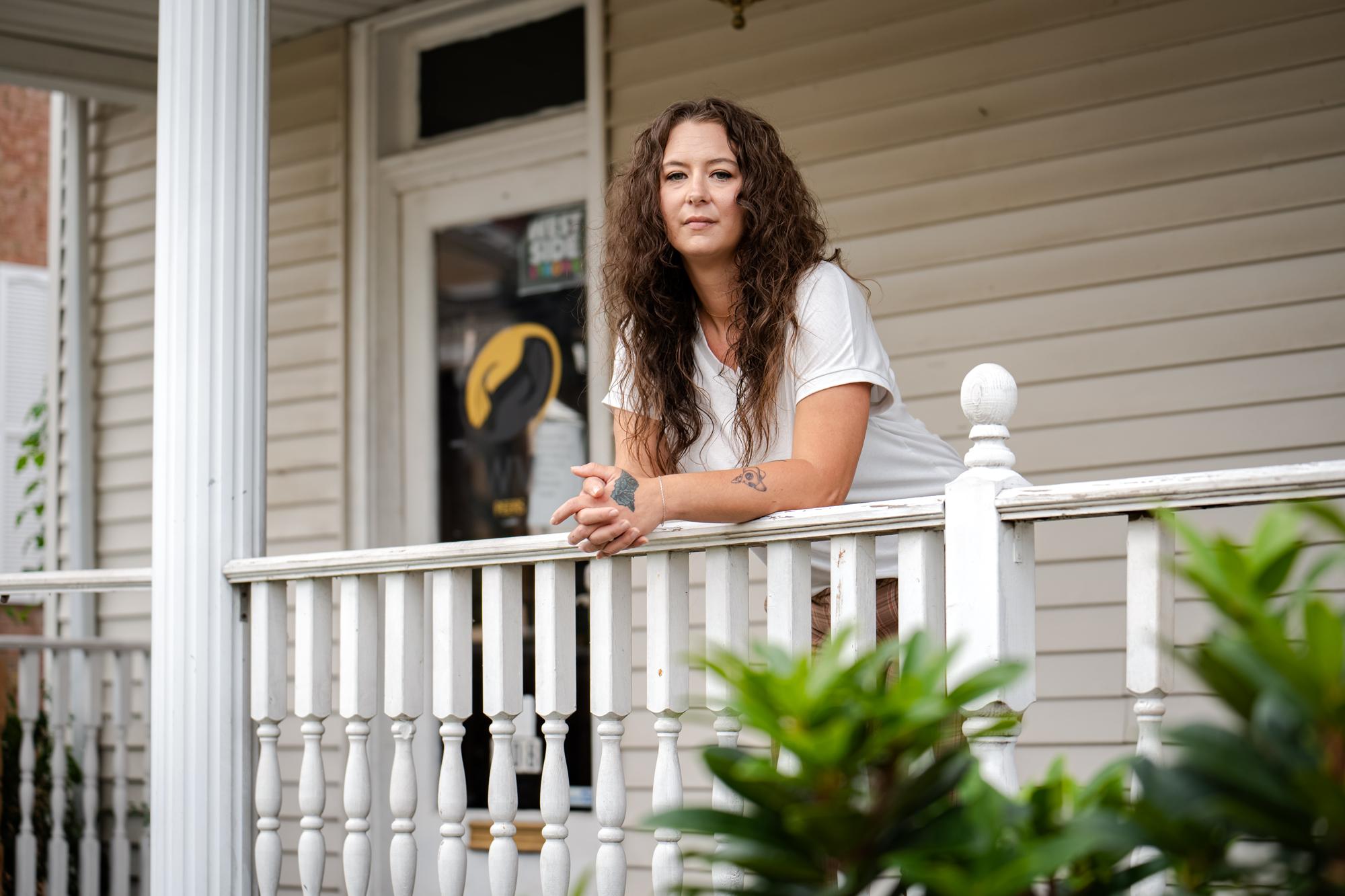
Liz Farr, 38, who works at West Virginia Sober Living in Charleston, is one of those peer recovery support specialists on the front lines.
She got hooked on opioids after being prescribed painkillers for a medical issue when she was 21. Until she stopped using five years ago, she moved through the revolving door of addiction, treatment, relapse, and living on the streets for more than a decade.
Outside Sober Living, there’s a dispensary stand offering free naloxone, which is also sold in stores under brand names such as Narcan.
“I know that we fill that box up out there with 24 kits of naloxone every one to two days,” she said.
Fentanyl test strips and xylazine test strips are also free for anyone who needs them—another lifesaving move.
Supporting addicts instead of condemning them is part of what works, she said, adding that Appalachian folk are known for helping neighbors.
“We try to be the people that we needed,” she said. “We’re seeing a really good outcome. We are seeing our peers stay with our clients long-term.”
Poverty and Pills
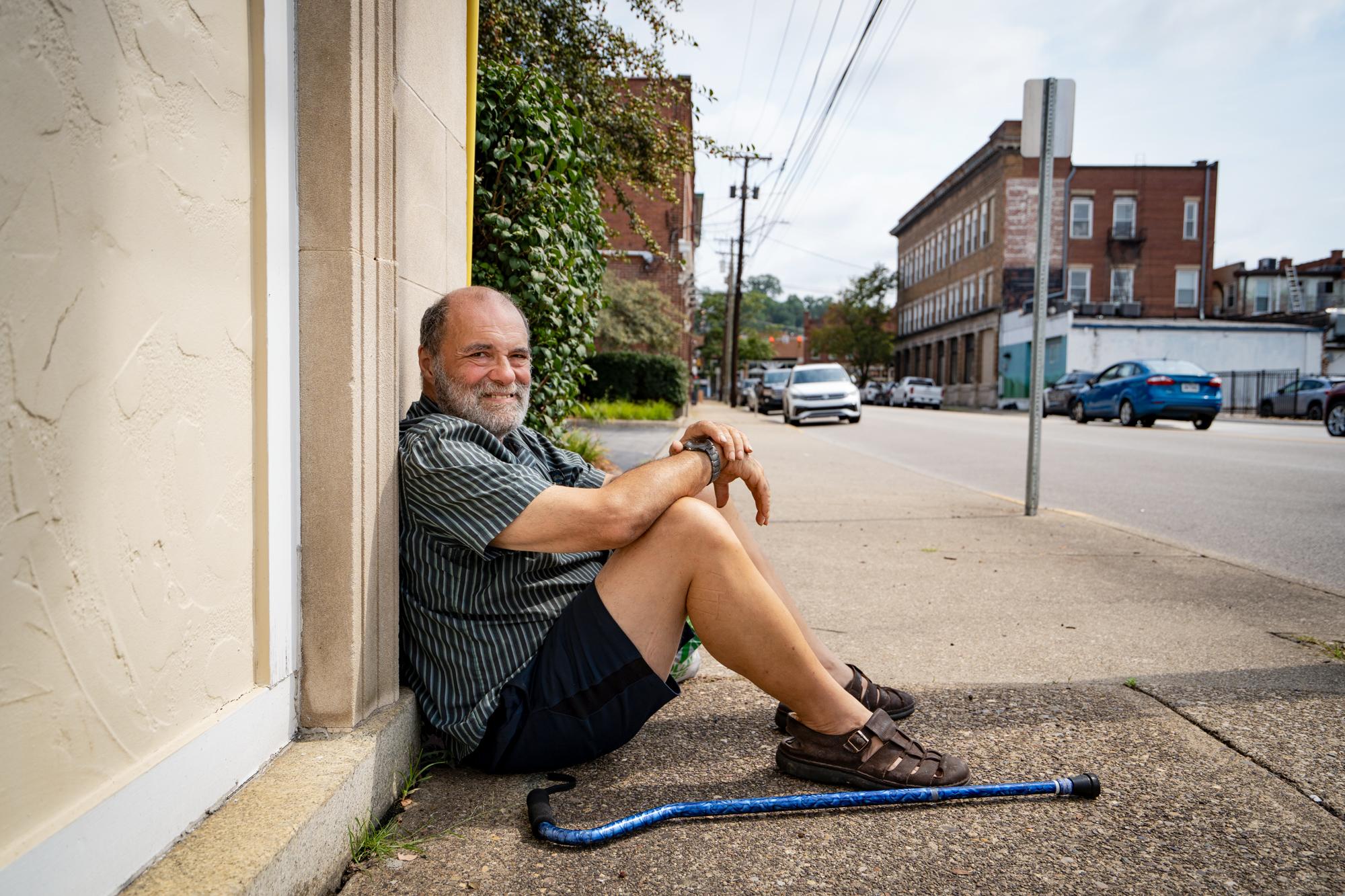
In the streets of downtown Charleston, Daniel Quarequio sat on the sidewalk, a magazine in his lap, a walking cane by his side.At 64, Quarequio, a street-savvy, articulate man who said he graduated from college, believes most people using drugs have tried fentanyl without even knowing it.
Some are curious about the drug, as he was two years ago.
“A couple of times I tried it, knowing what it was,” he said. “One time, I actually had to be Narcan-ed. I would never knowingly do it again.”
People take risks with drugs because they are desperate, he said. They just don’t think it will kill them, Quarequio added, comparing it to people who drive to work every day, not thinking they will die in a traffic accident.
Quarequio, who survives on disability payments, chalked up West Virginia’s fentanyl crisis in part to economic depression.
“It’s an issue of how people feel about life, jobs, isolation, poverty, loneliness,” he said.
He has lost friends to drug overdoses, so he stays away from hard drugs now.
“I don’t want to die,” he said.
Loyd agreed that people living in the Appalachian Mountains from Maine to North Carolina are prime targets for a drug epidemic, noting West Virginia is the only state entirely contained within Appalachia.
“You’ve got a genetically predisposed, traumatized population ... a lot of substance use in general, and you unleash an unbelievably powerful opioid into a population that doesn’t have a whole lot of hope for upward economic mobility,” he said. “It’s kind of a perfect storm.”
Feuds and Fentanyl
Along U.S. 119 South, mist veils the mountains after a summer rain, as the road winds past trailer homes, white steepled churches, and a Dairy Queen.Kudzu vines creep along the roadside, swallowing jutting rock exposed from roadway construction.
Williamson, which sits next to the Tug Fork River on the border with Kentucky, is famous because it’s where the infamous feud between the Hatfield and McCoy clans played out after the Civil War.
The American folktale of a murder, love, betrayal, and vengeance was played out in the hills and hollers of the rugged wilderness.
Now kin are fighting a different kind of war in the heart of Appalachia’s coal country: drug addiction.
Tara “BabyT” Sexton, a community activist in this town of about 2,800, said her sister is a recovering fentanyl addict, and she knows at least three people who have died from it.
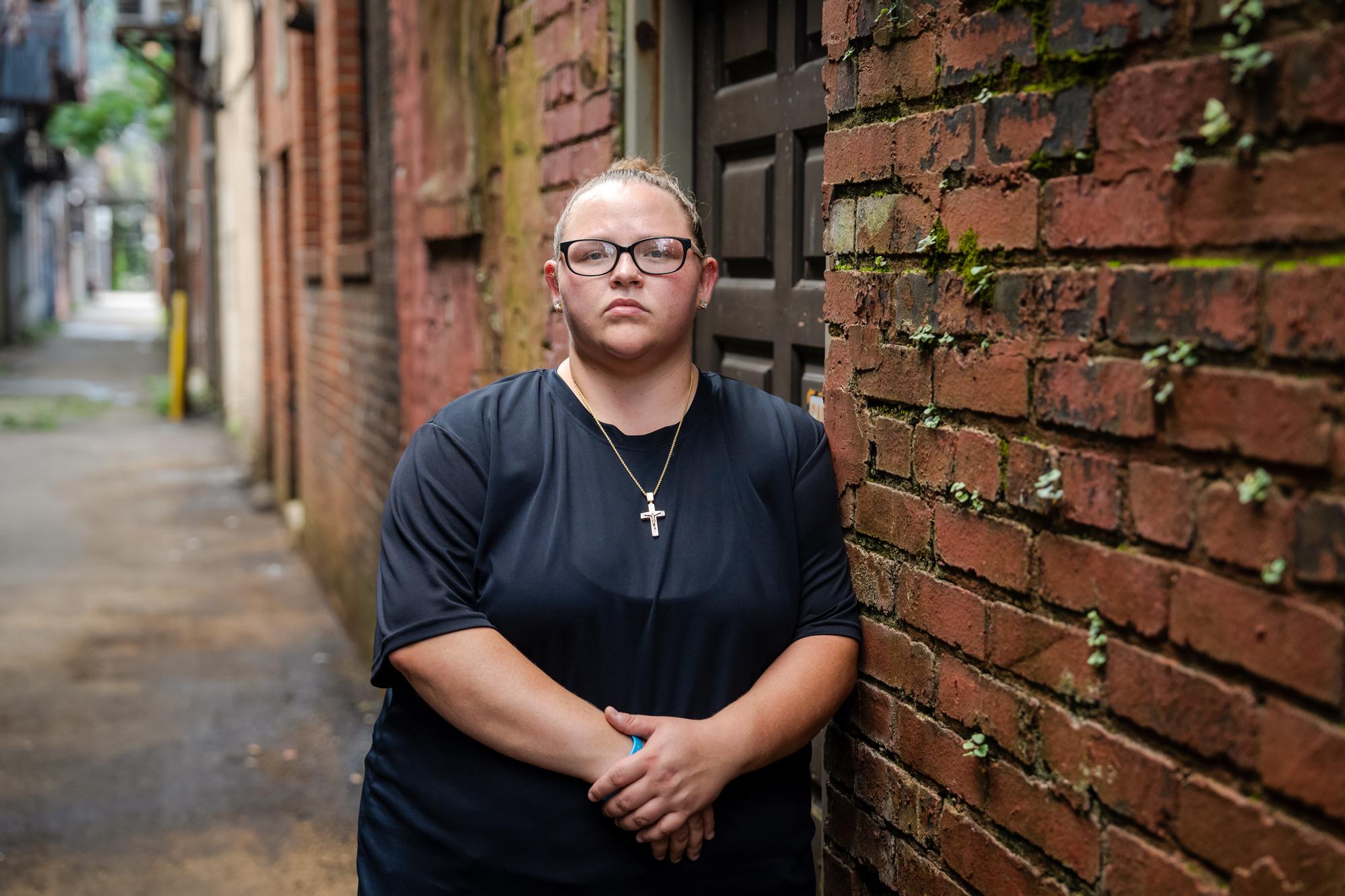

The southern part of the state has been hit particularly hard by the fentanyl crisis.
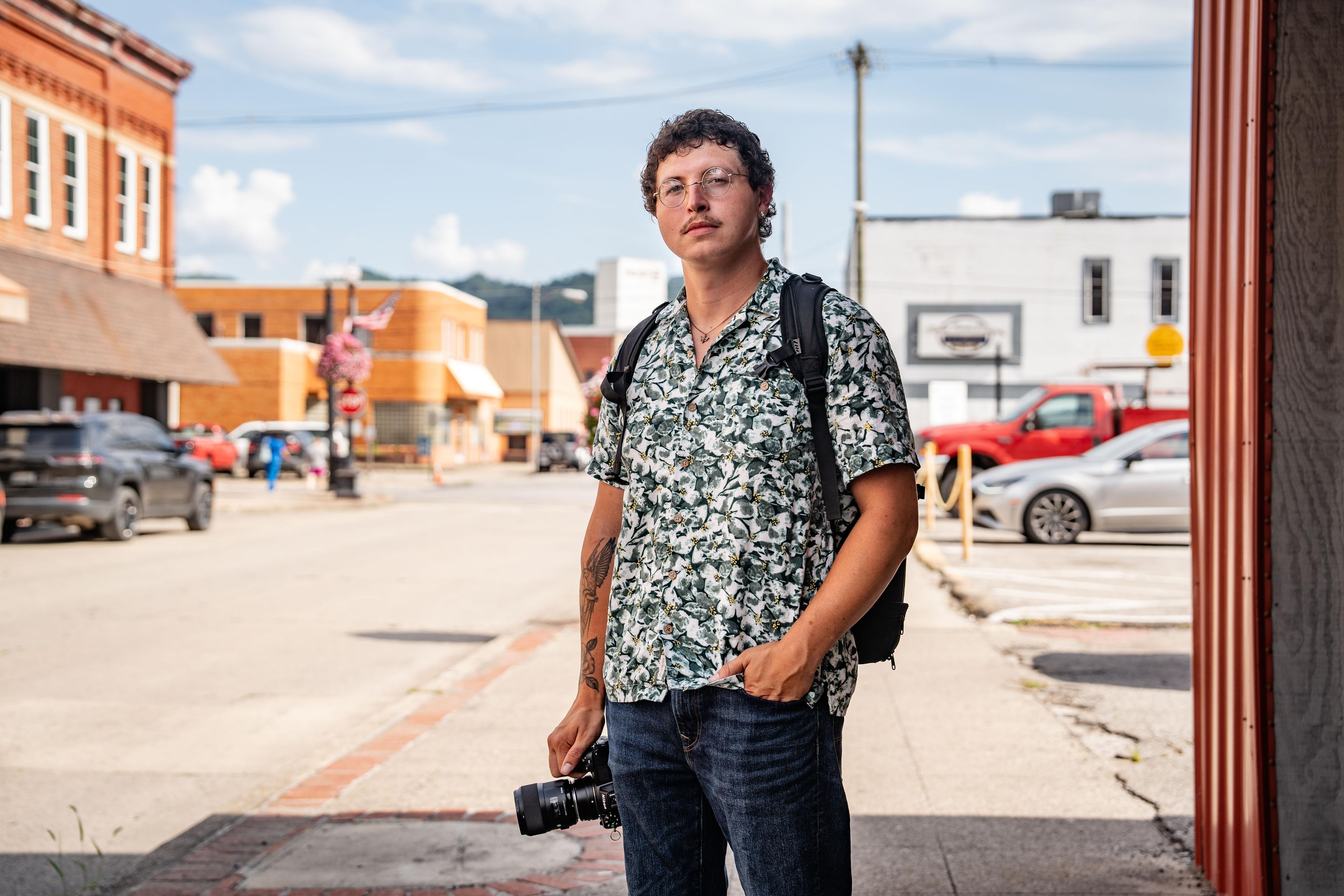
Colton Townsend, a local photographer, said there’s backlash from some people who see fentanyl addiction as a choice.
Some people attend “Narcan parties,” where they depend on someone saving them from drug overdoses, Sexton added.
That has led to residents questioning why test strips and naloxone should be free for addicts while insulin for diabetics isn’t.
“I think that folks around here have a hardcore pull-yourself-up-by-the-bootstraps mentality, and they cannot place themselves in other people’s shoes,” Townsend said.
An Aug. 24 Facebook post from an area resident issued a warning: “Friendly little PSA. Right now, the meth in our town is cut with fentanyl. And not just a little fentanyl. Please be safe.”
Seventy-four people commented, some posting that they knew someone who was addicted, including Sexton’s sister, who offered to help others who are struggling.
Although the statistics show the death rate is down, many say the crisis remains dire.
“It’s not only sadly looking like a ghost town, it’s looking like a ghost state,” Sexton said.