NEW YORK—With just a little over 20 million people, the island nation of Taiwan, just off the coast of China, can often seem like a tugboat being jostled between aircraft carriers. This is as true politically as it is economically.
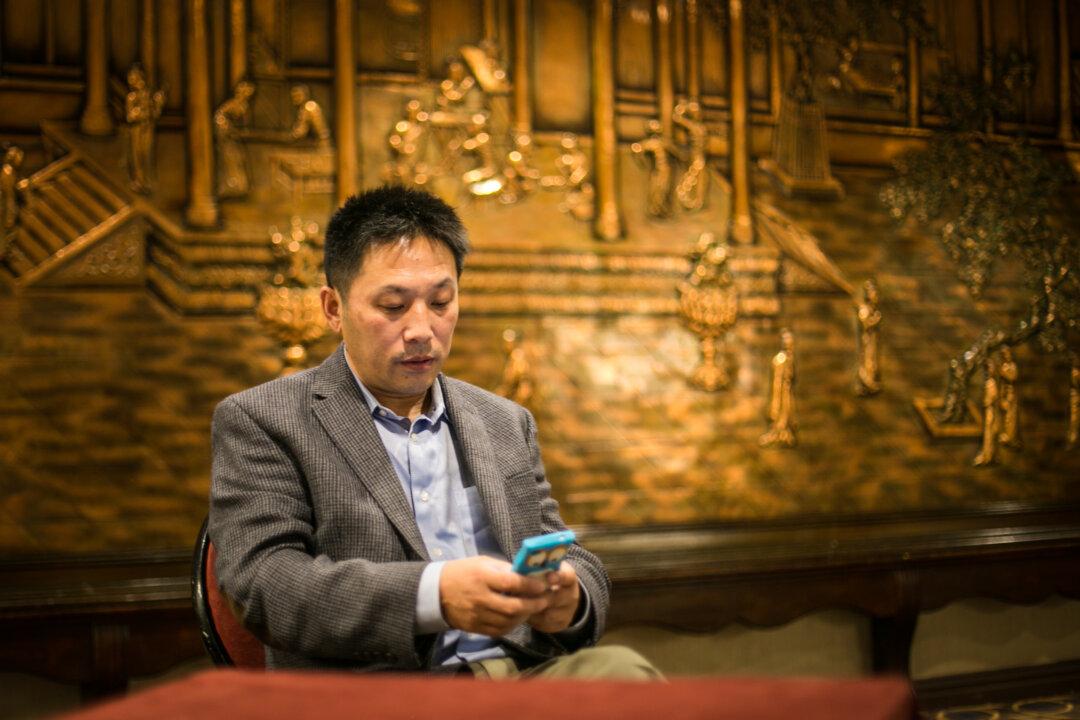
Cherng-Chuan Su, the director of the Taiwan Trade Office, a semi-governmental organization based in New York, has been watching this process, and trying to help, for the last 20 years. His new position, (taken up last year), sees him lead Taiwanese trade delegations to the United States, where he introduces them to potential local importers.
Taiwan does big trade with the United States: last year it was America’s 10th largest trading partner by total volume, doing $67.4 billion bilaterally. Computers and electronics, where Taiwanese components are known for their quality, were the largest category.
For years, Taiwanese businesses were able to differentiate themselves from China in electronics manufacturing (a leading industry in Taiwan) because of their quality, and commanding height on the value chain: important components needed for the manufacture of computers, motherboards, hard drives, and cameras would be produced in Taiwan, then shipped to China for assembly, where labor costs were cheap.
“Taiwanese invested a huge amount into China at the beginning, moving a lot of capital goods there too,” Su said, speaking in his Taiwanese-accented Mandarin in a recent interview at his offices at One Penn Plaza. “They [Taiwanese] brought the electronic components, capital, and equipment.”
But, of course, Chinese engineers, workers, and managers that were trained in Taiwanese-owned factories in China over the years then became their competitors. Taiwan kept one step ahead with its technology, but the gap has eroded year by year.