Nagasaki, Japan, offers so much more than its World War II history. Surrounded by the mountainous, volcanic splendor of the southern island of Kyushu, this longtime port city of about 400,000 is strung along sparkling seas. With tucked-away beaches, swaying palms, bustling harbors, and very mysterious islands, there is much to discover, enjoy, and explore.
Arrival
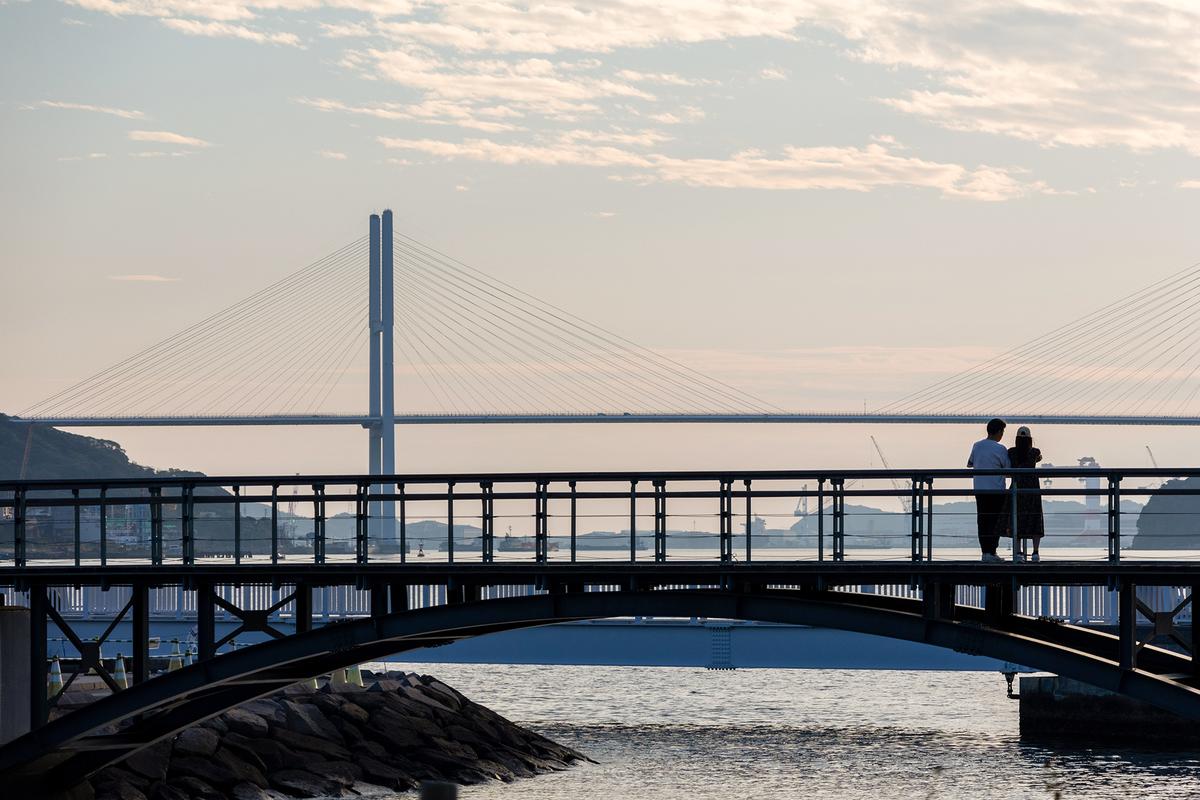
You won’t fly into many places like Nagasaki Airport (NGS), the first major maritime airport on earth. Opened in 1975, it was a monumental project to construct it in Omura Bay. Builders flattened the hills on Mishima Island and supplemented it with reclaimed land. They put up the Mishima Ohashi Bridge, which stretches more than a half-mile, connecting NGS with the mainland.Morning
After what was probably a very long flight, trade the confines of the plane for salty breezes along the Dejima Wharf, about seven miles south of Togitsu. A nibble and a little jolt might be welcome, too, to help overcome the jet lag. Pop into Attic Coffee for a latte or a cappuccino and maybe a waffle, best consumed at one of the tables overlooking the white sails on the busy harbor.From there, the city’s Seaside Park is just to the south. In this green space spanning about 16 acres, walk the waterfront promenade. Then loop back, past the cascades and a small island lined with flowers and along the canal that bisects the park.
It’s not a long walk but hopefully enough to stimulate the senses—and prepare you for some history.
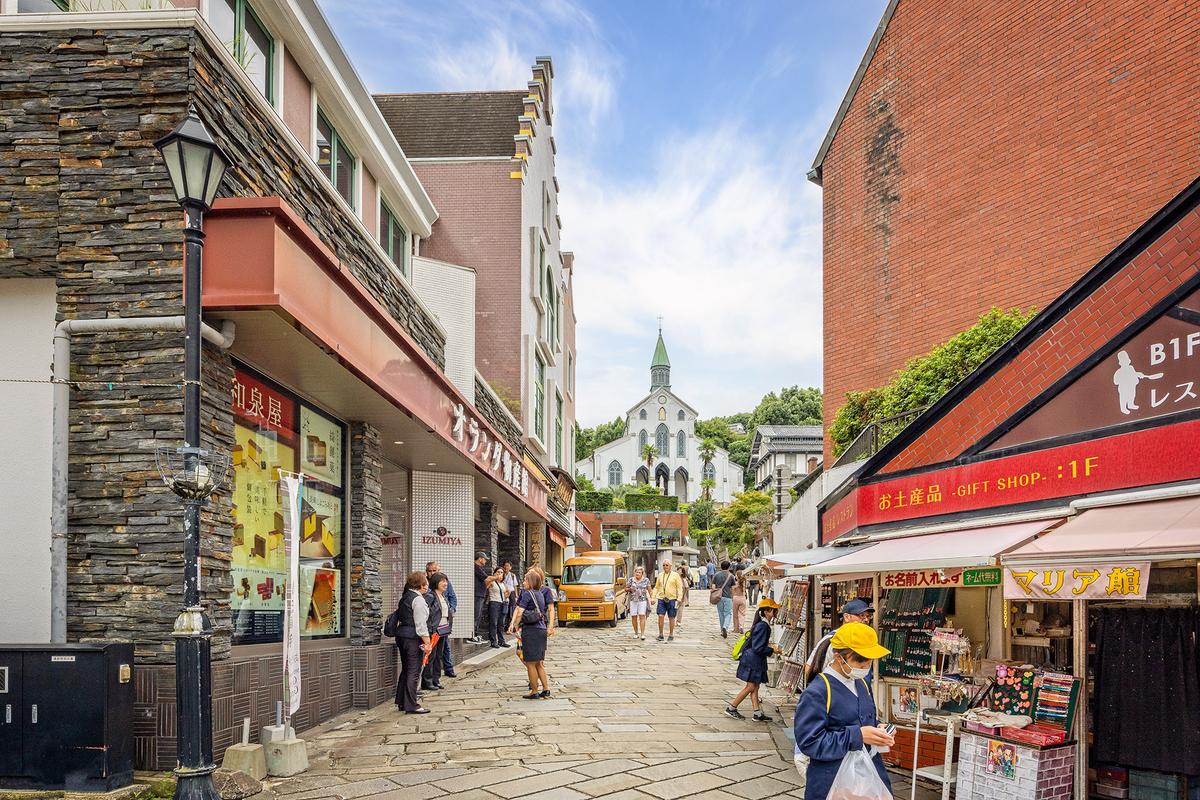
First, wind up into the nearby, densely packed streets to spot a rare sight in Japan—the soaring spires of a grand church. The Oura Cathedral stands as a testament to the European presence and the unusual history of Christianity in this city. It is lovely.
Overseen by two French priests, the construction of the first church on this site was finished in 1864, and the current Gothic incarnation rose in the late 1870s. Designers imported the stained glass windows from France. It has since been expanded and declared a National Treasure and is now considered the oldest Christian site in Japan. The on-site museum dedicated to the history of Christianity in the country is worth a little time.
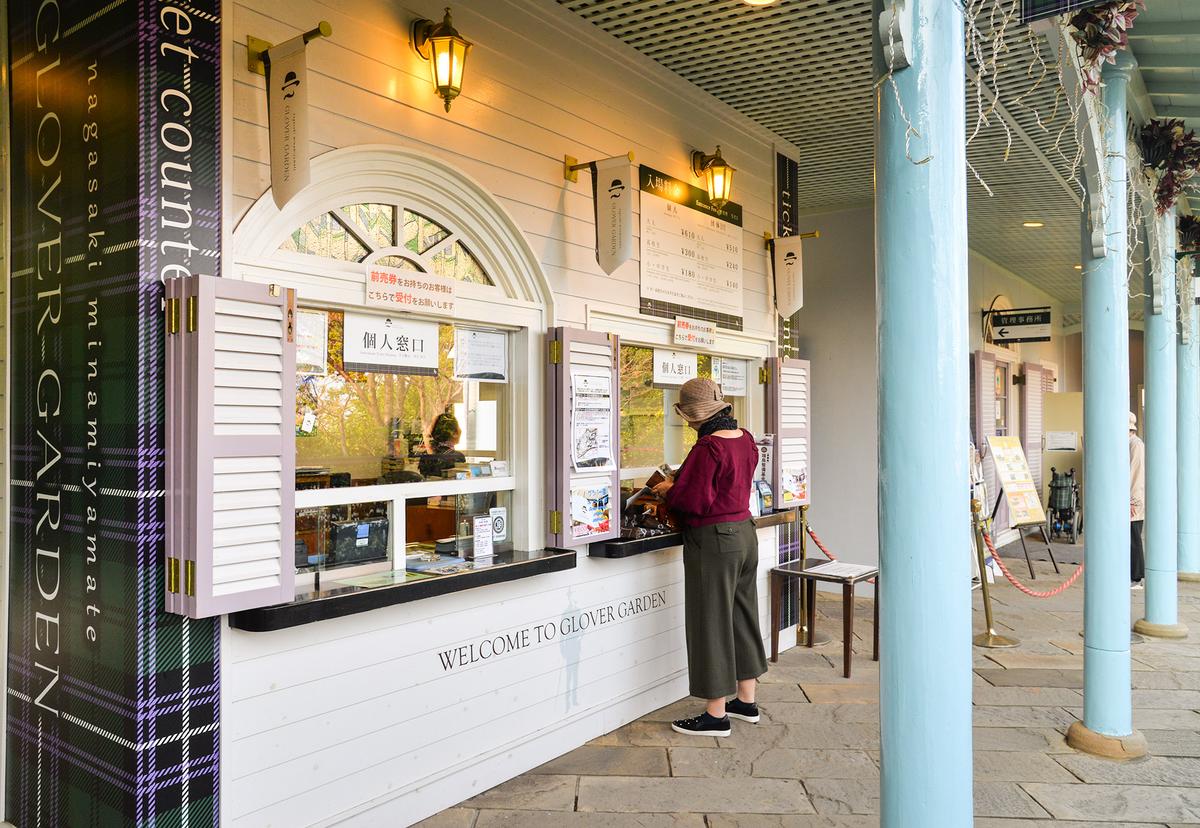

There’s still so much to see. Make a quick trip further up the hill to snap a photo of the Glover Garden and Residence, once the handsome home of Thomas Blake Glover. A 19th-century industrialist, Glover helped modernize Japan. The residence is the oldest Western wooden building in the country, and the surrounding hilltop gardens are breezy and beautiful in this often-hot city.
Then, descend back down the hill and prepare for a heavy, yet hopeful, end to the morning. On Aug. 9, 1945, a B-29 plane named Bockscar dropped an atomic bomb over the city. Fat Man detonated at 11:02 a.m. The initial blast and ensuing fallout killed more than 100,000 people.
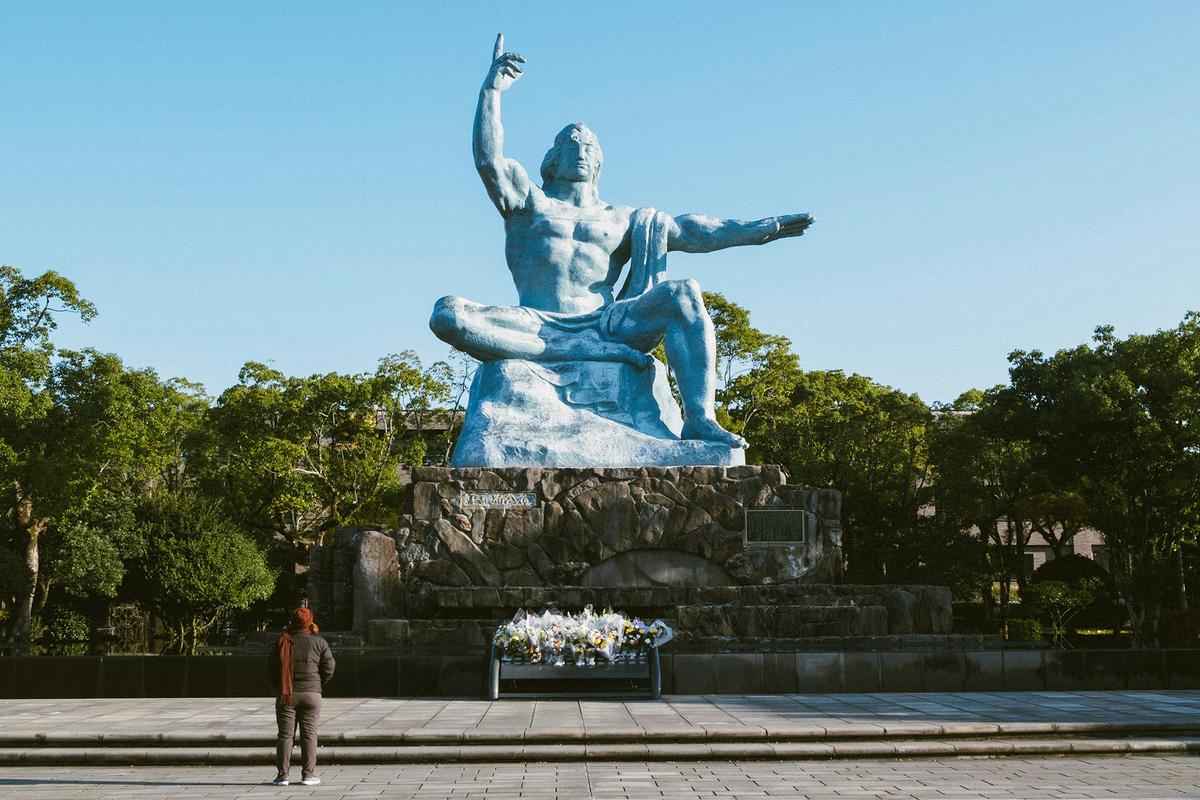
A visit to the Peace Park is surprisingly heartening. To save time, hop in a taxi and head north to reach it. The three-mile trip should take fewer than 15 minutes.
Start at the excellent Atomic Bomb Museum, which walks through the history. Personal stories, contemporary photos and, especially, found items bring that terrible day home.
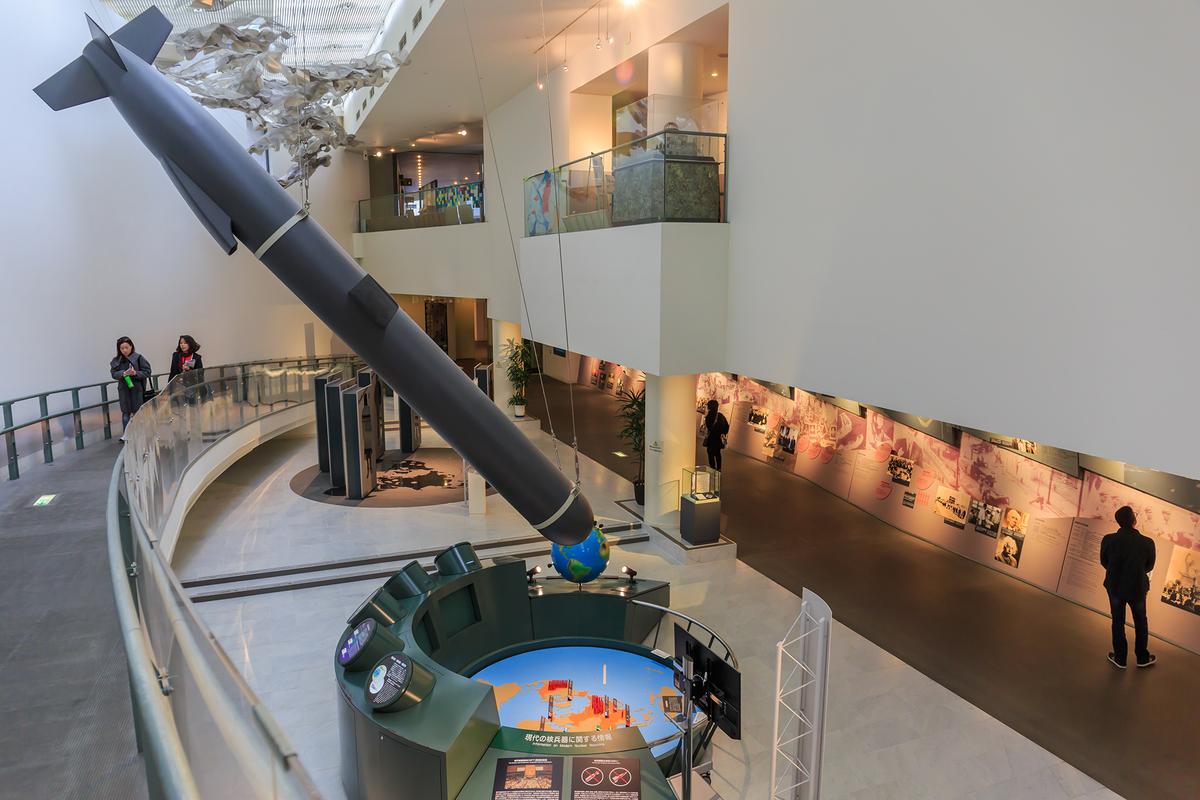
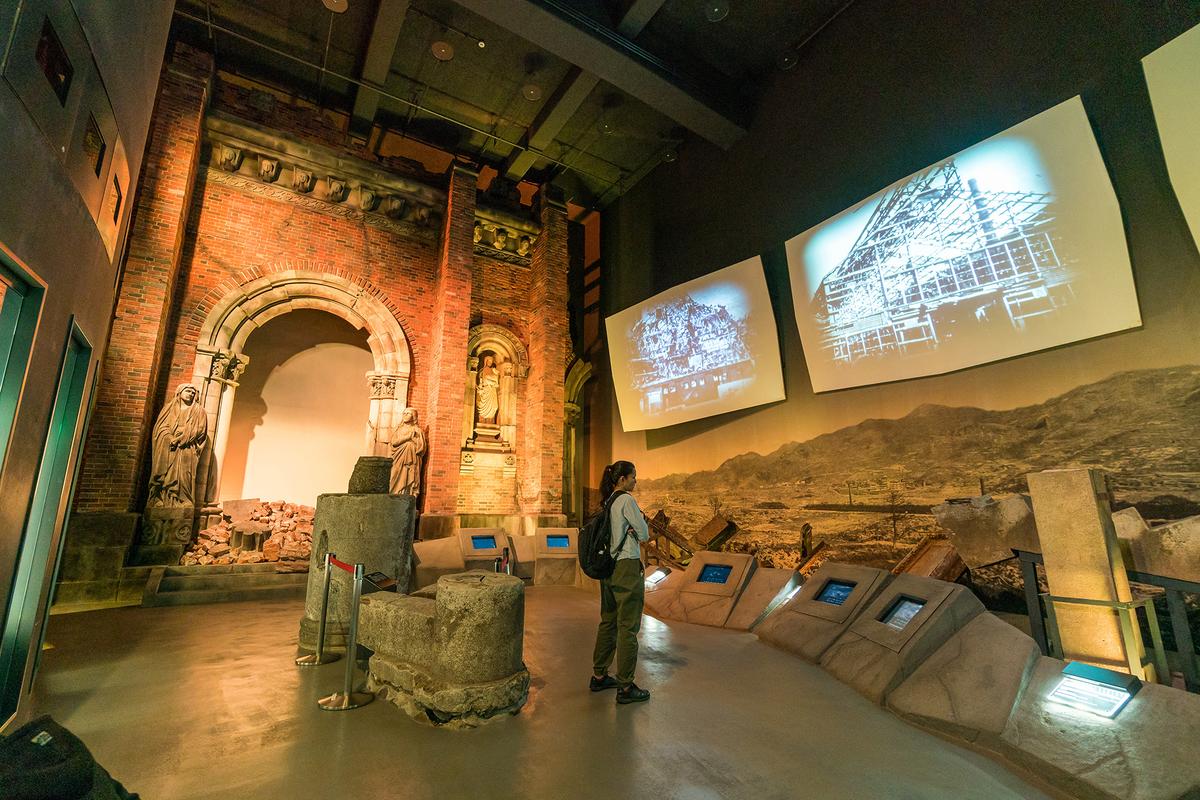
You will find bright scenes from the morning before the bomb dropped, a model of Fat Man, maps of the devastation, recreations of the once-grand Urakami Cathedral and the fire tower, and a clock retrieved from a home, stopped at the exact time when everything here changed.
Afternoon
After this sobering end to the morning, head back toward the water. Grab some quick ramen or maybe a little sushi near the dock. Then, hop onto a boat at Tokiwa Port for Battleship Island.Formally known as Hashima (or Gunkanjima) Island, it’s a UNESCO World Heritage Site and the inspiration for Dead City in “Skyfall.” In the 2012 film, James Bond, played by Daniel Craig, is met here by the movie’s villain, Raoul Silva.
Cruise eight nautical miles into the East China Sea and learn the real-life haunting history. UNESCO’s recognition is linked to the Meiji Industrial Revolution. In the late 19th century, workers dug undersea mines. Forced labor from Korea was used to harvest the coal.
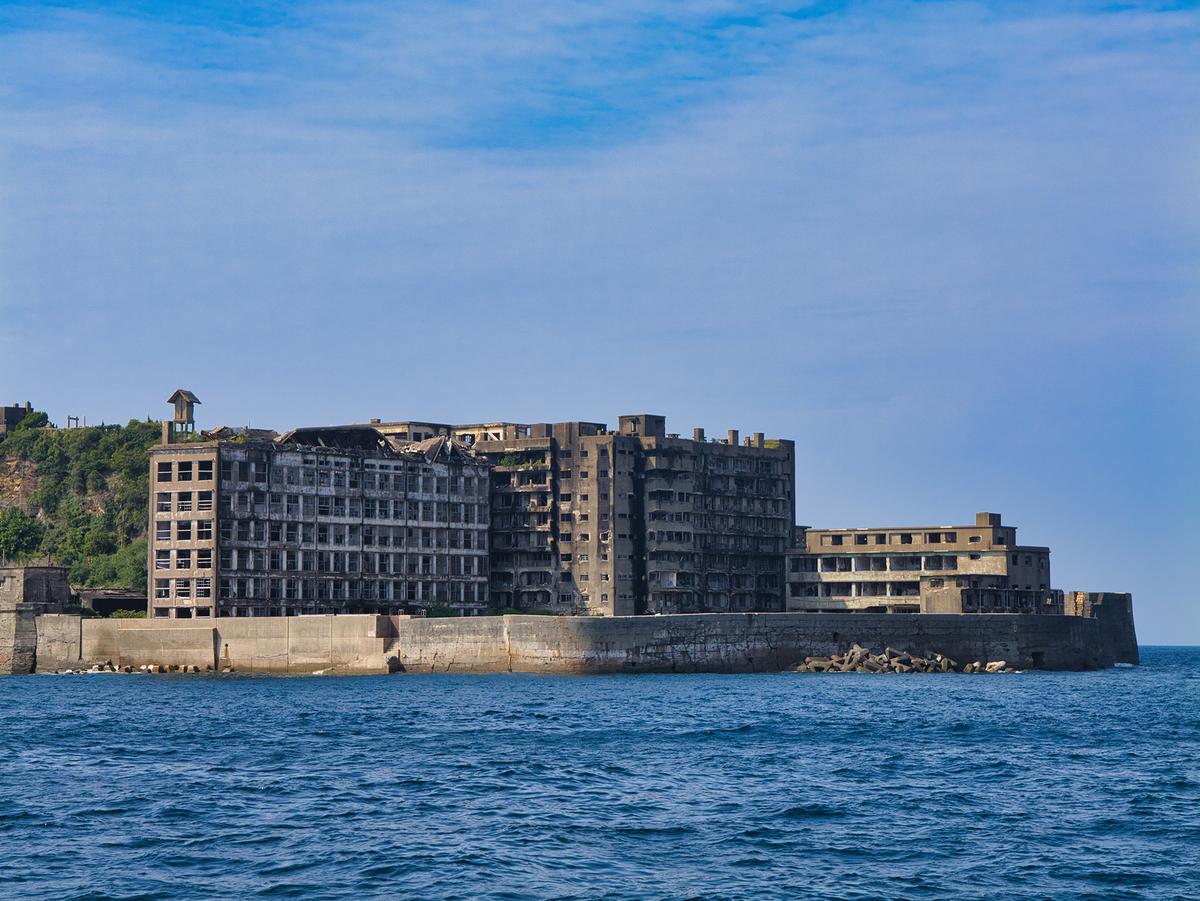
In the late 1950s, the population peaked at more than 5,000. At that time, Hashima (whose nickname, Gunkanjima, comes from its literal resemblance to a battleship) was a thriving community. High-rise apartment blocks rose up. But in 1974, the coal ran out. The island, once one of the most densely populated places on Earth, was entirely abandoned.
Evening
Arriving back on the dock, you still have time to visit Dejima, less than 15 minutes away by foot from Tokiwa. This outdoor museum remains open late. The afternoon heat will now be fading, so the timing is perfect.“This is a sliver of Europe in Japan,” a guide recently explained. Dejima was once an entirely man-made island, but it’s now connected to the mainland and Nagasaki. Due to the land reclamation, the buildings now stand a little inland, along the Nakashima River. From the 17th to the 19th centuries, during the Edo period, Japan pursued a policy of isolation, closing to the world. Except for Nagasaki—and Dejima.
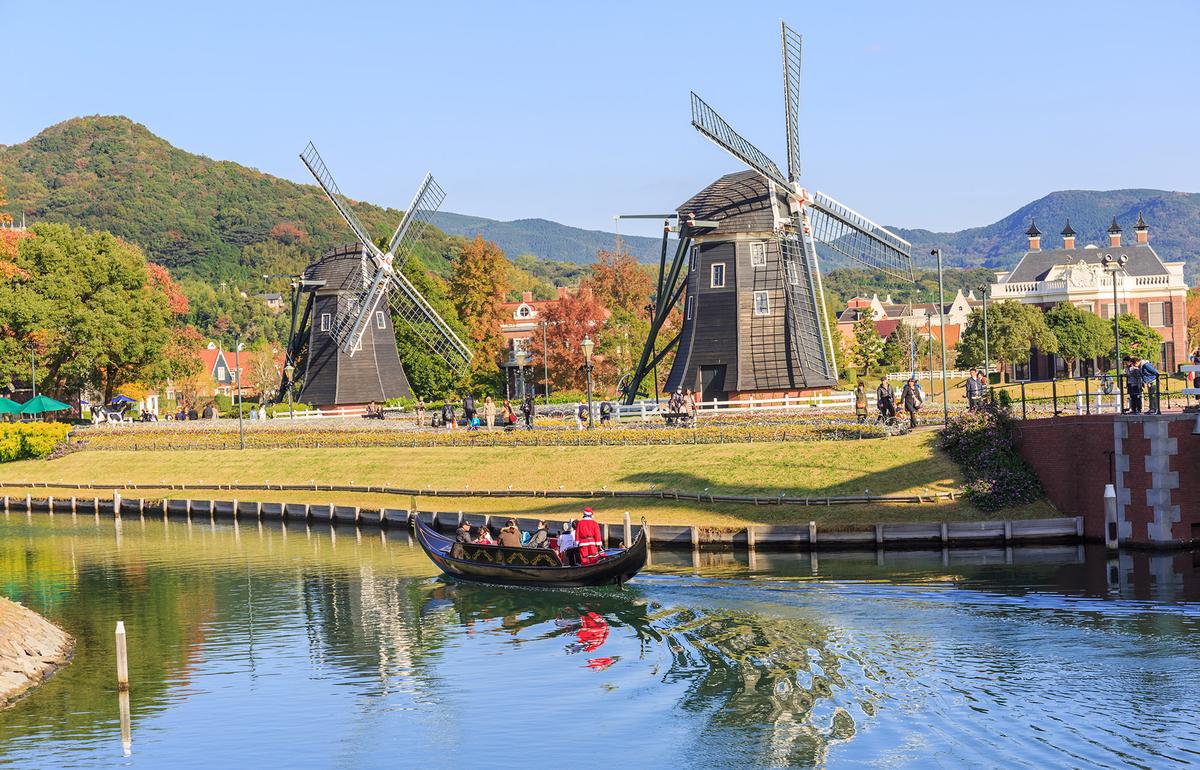
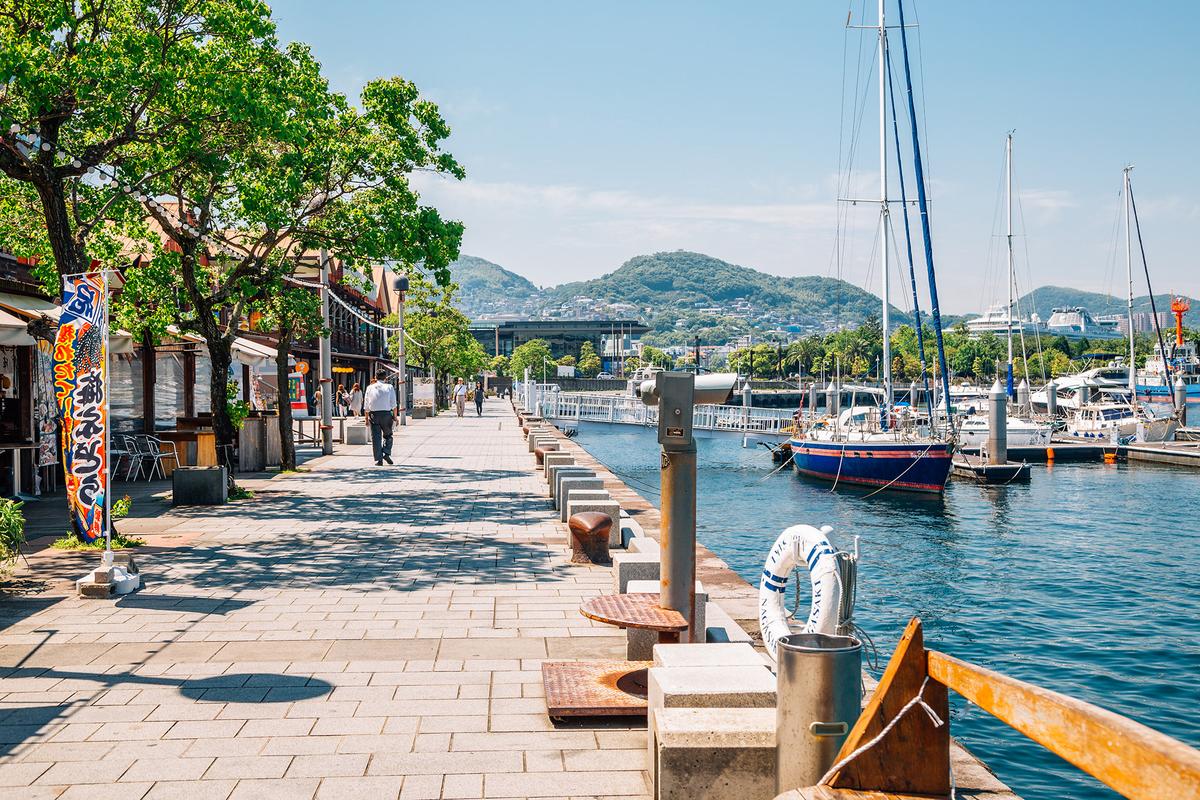
Initially built by the Portuguese, for most of its history, this was a Dutch trading post, with goods going back and forth to Batavia, now Jakarta, Indonesia. Walking through the former warehouses and residences, you can just about imagine what it would’ve been like to be a merchant living here.
You have reached the end of the evening and now face a choice. This has already been a day busier than most. It might be advisable to simply find some really good izakaya. There are several spots close by that serve this Japanese-style tapas, perhaps paired with shochu, a tasty spirit distilled on Kyushu. Sit at the counter, order super-fresh sashimi, and make a toast before heading to bed.
But if you have just a tiny bit of energy left in the tank, ride the cable car to the top of Mount Inasa. From the summit, looking back across the harbor, Nagasaki absolutely sparkles. Close your eyes. Blink a couple times. Reflect on all your new memories, made in just a single day, here in the southern reaches of Japan.