Weather events during 2011 in Canada were the stuff of Hollywood blockbusters, with many being unprecedented or breaking records, Environment Canada said in releasing its top 10 weather stories of the year.
“The floods in Quebec and Saskatchewan and Manitoba, the fires in Alberta—it’s almost biblical in a way, events that were just unprecedented,” says David Phillips, senior climatologist with Environment Canada.
“It wasn’t just a tornado or a hurricane—these were events that you might never see again. It’s almost like storms of the century, or storms of a lifetime.”
Topping the agency’s list of weather events was the flooding in Saskatchewan and Manitoba, which lasted for months and featured the highest water levels and flows in modern history in that part of the country.
The floods resulted in the displacement of thousands of residents and cost the different levels of government close to $1 billion in repairs and compensation.
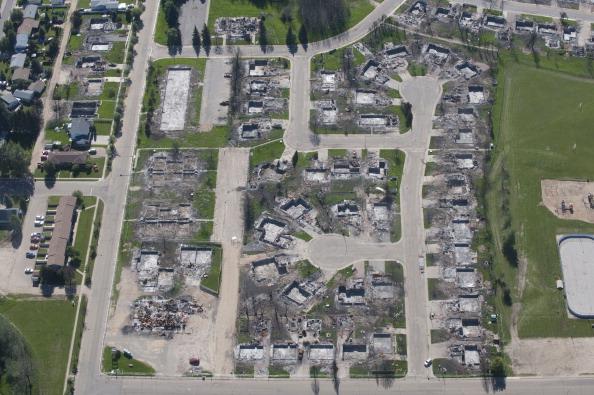
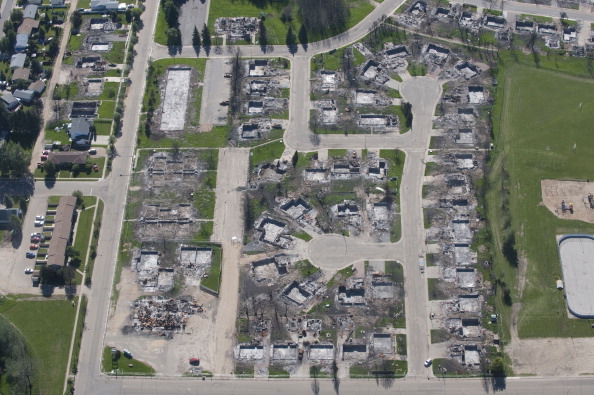
Coming in at second place was the fire storm in Slave Lake, Alberta last spring, which caused 7,000 residents to evacuate the town. The delayed forest greening and weeks of warm, dry weather along with high-speed winds created the perfect conditions for the rapid spread of the fire that burned one-third of homes and businesses in the town.
Alberta’s premier called it the worst disaster in the province’s recent history, and the Insurance Bureau of Canada said it was the second costliest natural disaster in Canadian history at more than $700 million, with $400 million in uninsurable losses.
Third place was given to the Richelieu flooding in Quebec, which the agency called “the worst overland flooding in southern Quebec since Confederation and Quebec’s worst natural disaster since the Saguenay flood in 1996.”
Other events included hurricanes on the east coast, summer heat waves, record levels of Arctic Sea melting, and powerful winds in southern Alberta.
“They were almost like Hollywood blockbusters in terms of the impact and the effects and the size of them and the magnitude of them, and the duration of them,” says Phillips. “I think I was impressed by some of those events.”
Weather ‘Important to Canadians’
In coming up with the list of events, Phillips, who has been compiling the annual list for the past 16 years, says he considers factors such as the impact of a particular event on Canada and Canadians, the extent of the area effected, and the economic repercussions.
“A weaker tornado in Toronto would have more significance than a major tornado in the tundra of the Northwest Territories,” he says.
This year, Phillips started with over 130 weather stories, and cut them down to the 10 top events.
“Weather is important to Canadians,” he says.
“We talk about who dies in a year, and who were the Hollywood stories, the news-makers, the big news events, and so I think weather, because it’s so important to society and Canada, to our economy, I think that’s why I came up with this list.”
Costly Year
While Canada should consider itself fortunate for not having suffered the same catastrophes as some places in the world, such as the Japanese earthquake/tsunamis and the extreme weather conditions in the U.S. resulting in the deaths of over 1,000 people, 2011 was a costly year in weather-related damages for Canada.
The insurance industry was faced with billion-dollar losses for a third year in a row, and the amount of government bailouts and payments given made 2011 the second most expensive year for weather catastrophes in Canada, says Phillips.
“Three years doesn’t make a trend, but it clearly seems to be that weather hits are becoming more damaging.”