

NEW YORK—AIG, the insurance giant American International Group Inc. on Thursday outlined a plan to formally repay its debt owed to the US Treasury and Federal Reserve Bank of New York, a step that will eventually grant the company independence from US ownership.
AIG and the Treasury said that the government’s holdings—worth roughly $49 billion—would be converted into 1.66 billion shares of common stock in the company, which could then be slowly sold in the market.
In addition, the $20 billion the company currently owes to the Federal Reserve Bank of New York will be repaid and terminated, using cash from its parent company and proceeds from sales of businesses over the past year.
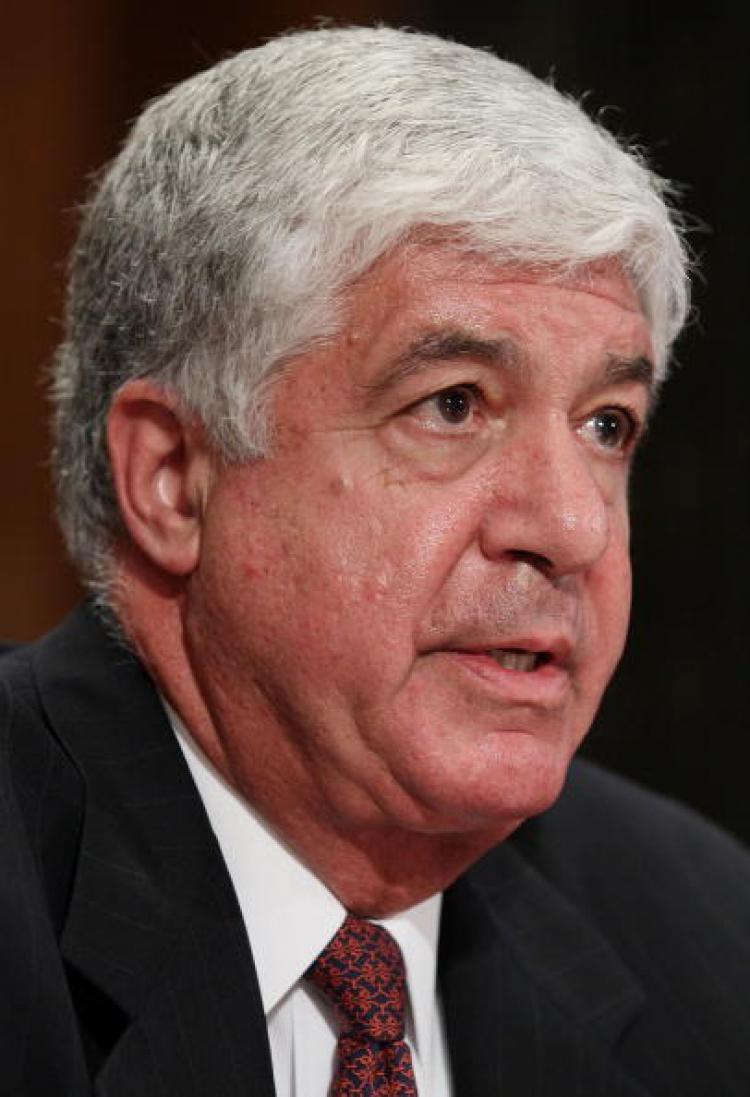
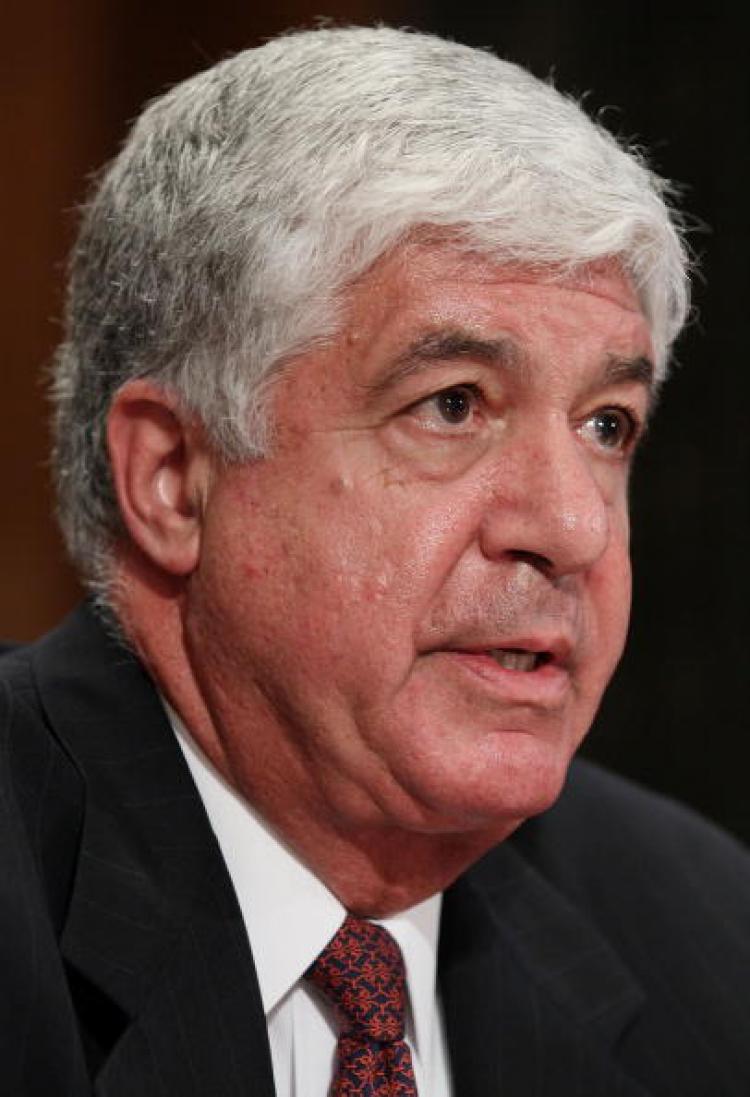
“This is a pivotal milestone as we deliver on our long-standing promise to repay taxpayers, and we thank the American people for their support,” said Robert H. Benmosche, AIG CEO, in a statement.
“With this plan underway, we can concentrate our full attention on managing our businesses for the benefit of all of our stakeholders,” he said.
As a result, current shareholders—which own roughly 20 percent of the company—will see their shares diluted to around 8 percent, according to AIG. To offset this, investors will receive stock warrants with a strike price of $45.
The plan is a major step towards closing a period of history during which US taxpayers own portions of US corporations. AIG was once the world’s largest insurance company, but during the financial crisis of 2008 it nearly collapsed and required separate bailouts from the federal government that eventually totaled more than $182 billion.
In 2008, AIG reported $100 billion in net losses, the biggest losses in corporate history.
The company was determined to be systemically important to the global economy and the US government stepped in in a bid to save AIG and stave off a deeper crisis in the financial markets. AIG’s bailout occurred a day after the collapse of investment bank Lehman Brothers Holdings Inc.
To this day, AIG’s bailout remains controversial, as over the last few years lawmakers and consumer groups have been outspoken against the bonuses the company pays its employees.
In June, Federal Reserve Chairman Benjamin Bernanke testified in Congress that he expected the US taxpayers to be fully repaid by AIG. That position was also maintained by Benmosche, who has publicly stated that taxpayers would make a profit from the government’s bailout of his company.
“The exit strategy announced today dramatically accelerates the timeline for AIG’s repayment and puts taxpayers in a considerably stronger position to recoup our investment in the company,” said Treasury Secretary Tim Geithner on Thursday in a statement.
“While there is a lot of work ahead to execute the terms of this agreement, today we are much closer to seeing a clear path out,” he continued. “AIG’s Board of Directors and new management team deserve credit for the substantial progress they’ve made to lower the company’s risk profile, refocus it around core insurance businesses, and put it in a better position to pay back taxpayers.”
Benmosche, the former head of MetLife, is now the fourth chief executive of AIG since AIG’s bailout. He has worked over the last two years to expand the company’s core insurance businesses in the United States and worked to pare down its derivatives business which was the source of AIG’s woes during the financial crisis.
AIG and the Treasury said that the government’s holdings—worth roughly $49 billion—would be converted into 1.66 billion shares of common stock in the company, which could then be slowly sold in the market.
In addition, the $20 billion the company currently owes to the Federal Reserve Bank of New York will be repaid and terminated, using cash from its parent company and proceeds from sales of businesses over the past year.
“This is a pivotal milestone as we deliver on our long-standing promise to repay taxpayers, and we thank the American people for their support,” said Robert H. Benmosche, AIG CEO, in a statement.
“With this plan underway, we can concentrate our full attention on managing our businesses for the benefit of all of our stakeholders,” he said.
As a result, current shareholders—which own roughly 20 percent of the company—will see their shares diluted to around 8 percent, according to AIG. To offset this, investors will receive stock warrants with a strike price of $45.
Major Bailout
The plan is a major step towards closing a period of history during which US taxpayers own portions of US corporations. AIG was once the world’s largest insurance company, but during the financial crisis of 2008 it nearly collapsed and required separate bailouts from the federal government that eventually totaled more than $182 billion.
In 2008, AIG reported $100 billion in net losses, the biggest losses in corporate history.
The company was determined to be systemically important to the global economy and the US government stepped in in a bid to save AIG and stave off a deeper crisis in the financial markets. AIG’s bailout occurred a day after the collapse of investment bank Lehman Brothers Holdings Inc.
To this day, AIG’s bailout remains controversial, as over the last few years lawmakers and consumer groups have been outspoken against the bonuses the company pays its employees.
Repayment and Profit
In June, Federal Reserve Chairman Benjamin Bernanke testified in Congress that he expected the US taxpayers to be fully repaid by AIG. That position was also maintained by Benmosche, who has publicly stated that taxpayers would make a profit from the government’s bailout of his company.
“The exit strategy announced today dramatically accelerates the timeline for AIG’s repayment and puts taxpayers in a considerably stronger position to recoup our investment in the company,” said Treasury Secretary Tim Geithner on Thursday in a statement.
“While there is a lot of work ahead to execute the terms of this agreement, today we are much closer to seeing a clear path out,” he continued. “AIG’s Board of Directors and new management team deserve credit for the substantial progress they’ve made to lower the company’s risk profile, refocus it around core insurance businesses, and put it in a better position to pay back taxpayers.”
Benmosche, the former head of MetLife, is now the fourth chief executive of AIG since AIG’s bailout. He has worked over the last two years to expand the company’s core insurance businesses in the United States and worked to pare down its derivatives business which was the source of AIG’s woes during the financial crisis.


