
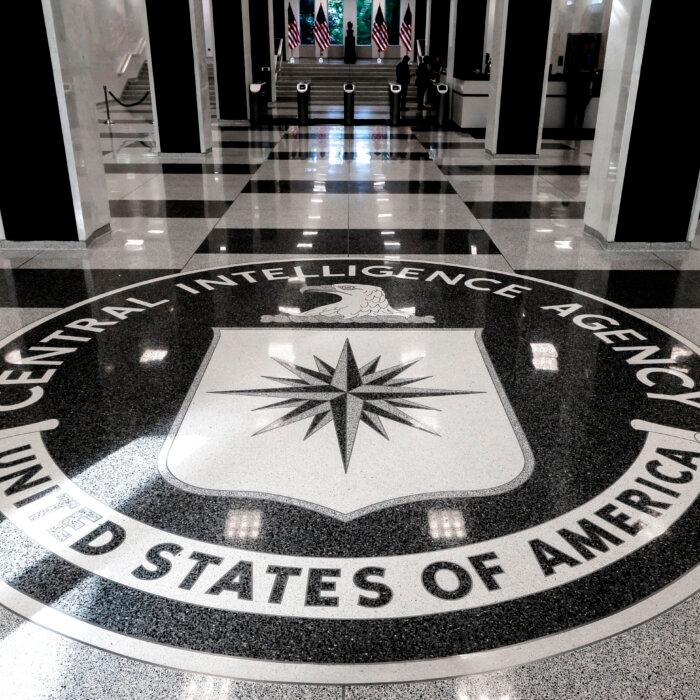
Taking a page from the Pentagon, the Central Intelligence Agency (CIA) will overhaul its partnerships with private sector contractors, CIA Director John Ratcliffe announced on Feb. 9.
Ratcliffe said the move will enable the agency to more efficiently modernize its core systems and cut down the time it takes to bring on prototype technologies.
“CIA’s rapidly evolving mission demands a radical shift towards a culture of speed, agility, and innovation,” he said in a statement.
“By leveraging the best technological solutions available today, the CIA will be better equipped to meet the intelligence challenges of tomorrow.”
The agency said its new technology acquisition framework would provide clear pathways to “leverage its unique authorities” to get new capabilities.
Along with the new acquisition framework, the CIA said it would establish a centralized vetting process for onboarding new vendors.

The latest CIA efforts to revamp private sector partnerships and overhaul the acquisition process are part of a broader reform across the national security space.
Speaking at the National War College in Washington on Nov. 7, Hegseth said the military would work to reduce regulatory obstacles and incentivize private companies that build reliable systems and move with a sense of urgency.
Hegseth said he would give program managers more flexibility to adjust program requirements and embrace solutions that can be continually improved.
At his January 2025 confirmation hearing, Ratcliffe emphasized the need for the agency to work more closely with private companies to keep up with technological advances.
“Over the decades, as technological innovation has shifted more and more from the public sector to the private sector, the CIA has struggled to keep pace,” he told lawmakers at the time.
At his confirmation hearing, Ratcliffe also said the United States needs to stay ahead of rival nations like China in areas of quantum computing and artificial intelligence.
“We have the best code-makers and code-breakers in the world, but if China gets to quantum computing before we do, that causes a real problem,” he said.
Ratcliffe also highlighted the desire for better tools for U.S. intelligence analysts to sift through large datasets “so that we can find the intelligence, spend more time using the intelligence, and less time looking for it.”
The CIA has taken multiple steps over the years to bolster developing technologies and speed up their adoption.
In 1999, the agency created In-Q-Tel as a not-for-profit entity to scout out and support startup companies developing technologies that could serve national security missions.
In 2021, the agency also opened a Chief Technology Officer position and launched its Transnational and Technology Mission Center.
At his confirmation hearing, Ratcliffe said the formation of the CIA’s Transnational and Technology Mission Center was an acknowledgement of the need to keep pace with adversaries of the United States, “but much more has to be done.”